Vital signs are the key measurements that provide an immediate snapshot of your body's most essential functions. These critical indicators help healthcare providers and individuals assess overall health status and identify potential medical concerns early. Understanding the 5 main vital signs—body temperature, pulse rate, blood pressure, respiratory rate, and oxygen saturation—is fundamental for both medical professionals and anyone interested in monitoring their health.
What Are the 5 Main Vital Signs?
The five main vital signs work together to provide a comprehensive picture of your body's basic functions. Each measurement offers unique insights into your health status and can help detect potential medical issues before they become serious.
Body Temperature
Normal body temperature typically ranges from 97.8°F to 99°F (36.5°C to 37.2°C). This vital sign helps identify fever, infection, or other temperature-related conditions. Temperature can be measured orally, rectally, or via the temporal artery, with each method having specific advantages and considerations.
Pulse Rate
A normal resting heart rate for adults ranges from 60 to 100 beats per minute. Your pulse rate indicates how well your heart is functioning and can signal various cardiovascular conditions when outside the normal range. Athletes and physically fit individuals often have lower resting heart rates.
Blood Pressure
Normal blood pressure is generally considered to be below 120/80 mmHg. This vital sign measures the force of blood against arterial walls and is crucial for detecting hypertension or hypotension. Regular monitoring can help prevent serious cardiovascular complications.
Respiratory Rate
The normal respiratory rate for adults at rest is 12 to 20 breaths per minute. This measurement indicates how well your lungs are functioning and can signal respiratory distress when abnormal. Changes in breathing rate often occur before other vital signs become abnormal.
Oxygen Saturation
Normal oxygen saturation levels typically range from 95% to 100%. This vital sign measures the percentage of oxygen-carrying hemoglobin in the blood and has become increasingly important in monitoring respiratory health, especially during respiratory illnesses.
How to Monitor Vital Signs at Home
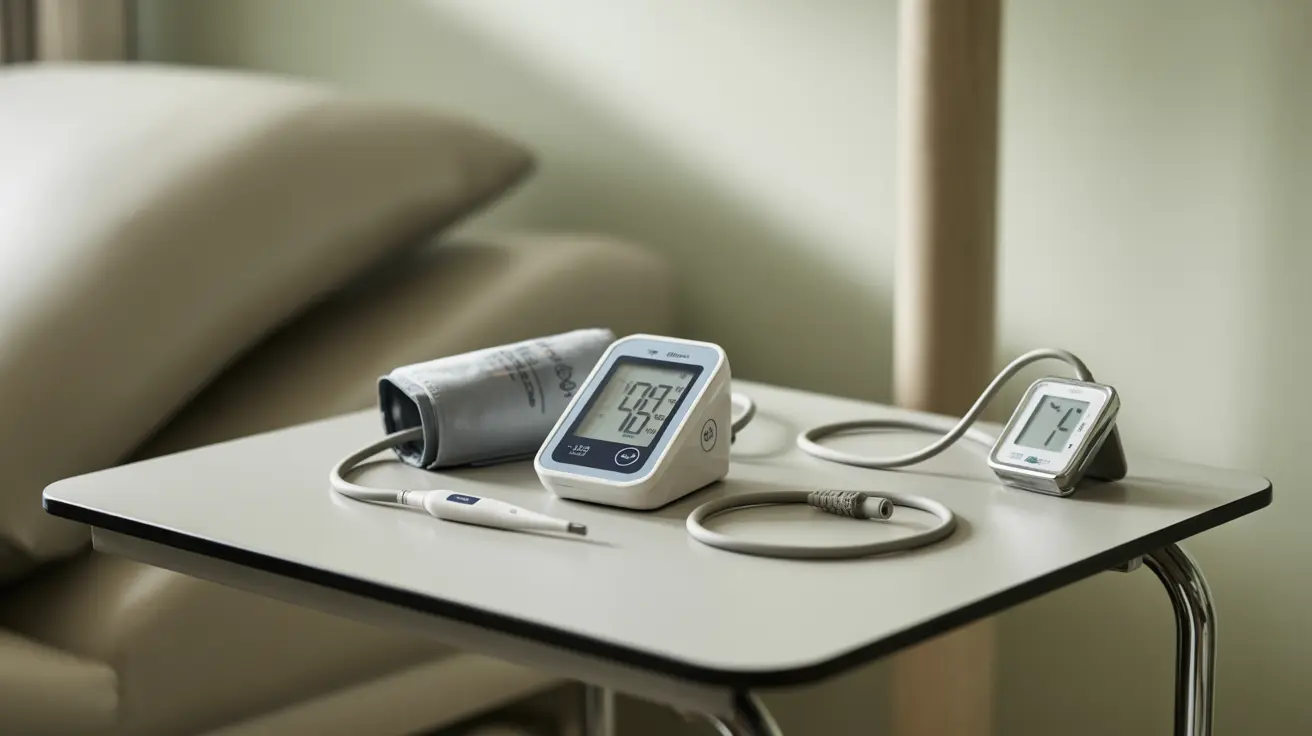
Modern technology has made it possible to monitor most vital signs accurately at home. Here are the essential tools and techniques:
- Digital thermometer for temperature
- Blood pressure monitor with pulse reading capability
- Pulse oximeter for oxygen saturation
- Timer or watch for counting respiratory rate
Regular monitoring can help you establish your personal baseline and identify concerning changes early. However, it's essential to use properly calibrated equipment and follow correct measurement techniques for accurate readings.
Understanding Vital Sign Changes
Various factors can influence your vital signs, including:
- Physical activity and exercise
- Emotional stress or anxiety
- Time of day
- Medications
- Underlying medical conditions
- Environmental factors
Understanding these influences helps you better interpret your measurements and know when to seek medical attention.
Frequently Asked Questions
What are the normal ranges for the five main vital signs, and what do they indicate about my health?
Normal ranges include: temperature (97.8-99°F), pulse rate (60-100 beats/minute), blood pressure (below 120/80 mmHg), respiratory rate (12-20 breaths/minute), and oxygen saturation (95-100%). These measurements indicate your body's basic functioning and can signal potential health issues when outside normal ranges.
How do I accurately measure my vital signs at home to monitor my health?
Use properly calibrated equipment like digital thermometers, blood pressure monitors, and pulse oximeters. Take measurements at consistent times, when you're relaxed, and follow manufacturer instructions carefully. Record readings regularly to track patterns and changes.
What are the most common factors that can cause fluctuations in vital signs, and how should I manage them?
Common factors include physical activity, stress, medications, and time of day. Manage fluctuations by taking measurements at consistent times, staying hydrated, maintaining regular sleep patterns, and avoiding measurements immediately after exercise or emotional stress.
How do abnormalities in vital signs like temperature, pulse, or blood pressure indicate underlying health issues?
Persistent abnormalities can indicate various health issues: elevated temperature might signal infection, high blood pressure could indicate cardiovascular problems, and irregular pulse rates might suggest heart rhythm disorders. Always consult healthcare providers about significant or persistent changes.
Can regularly monitoring vital signs help prevent medical emergencies or detect chronic conditions early?
Yes, regular monitoring can help identify trends and changes before they become serious problems. Early detection of abnormal patterns allows for timely medical intervention and better management of chronic conditions. However, vital sign monitoring should complement, not replace, regular medical check-ups.