Proper handwashing stands as one of the most effective and simplest ways to prevent the spread of infections and protect both your health and the health of those around you. While washing hands may seem like a basic activity we've all learned since childhood, there's actually a specific technique that health experts recommend to ensure maximum effectiveness in removing harmful germs, bacteria, and viruses.
Understanding and implementing the correct 7 steps of washing hands can significantly reduce your risk of contracting illnesses ranging from common colds to more serious infections. This comprehensive approach to hand hygiene has been scientifically proven to eliminate up to 99.9% of disease-causing microorganisms when performed correctly and consistently.
The Complete 7 Steps of Washing Hands
Following the proper sequence is crucial for effective hand cleaning. Each step serves a specific purpose in removing different types of contaminants and ensuring thorough coverage of all hand surfaces.
Step 1: Wet Your Hands Thoroughly
Begin by turning on clean, running water at a comfortable temperature. Cold or warm water works equally well for removing germs, so choose what feels most comfortable. Hold your hands under the running water, ensuring both palms and the backs of your hands become completely wet. This initial wetting helps create the ideal environment for soap to work effectively.
Step 2: Apply an Adequate Amount of Soap
Dispense enough liquid soap, bar soap, or antimicrobial soap to cover your entire hand surface. A coin-sized amount is typically sufficient for most adults. The soap doesn't need to be antibacterial to be effective – regular soap works just as well for removing germs through the mechanical action of washing.
Step 3: Create a Rich Lather
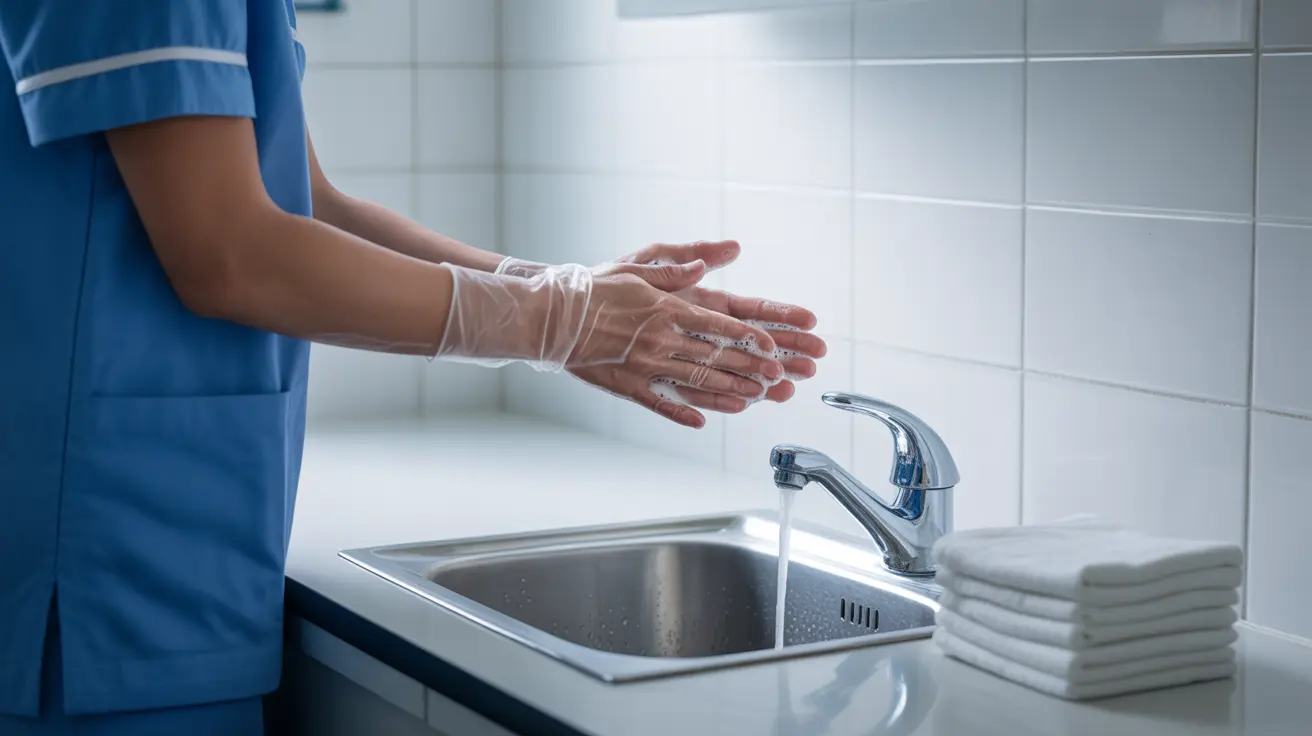
Rub your hands together vigorously to create a rich, foamy lather. This lathering process is essential because it helps lift dirt, oils, and microorganisms away from your skin. The friction generated during this step begins the process of loosening germs from your hands.
Step 4: Scrub All Hand Surfaces Systematically
This is the most critical step in the handwashing process. Methodically scrub every surface of your hands, including:
- The palms of both hands
- The backs of your hands and fingers
- Between all fingers and thumbs
- Under your fingernails and around nail beds
- Your wrists and lower forearms if they were potentially exposed
Use a systematic approach to ensure you don't miss any areas. Many people forget to clean between their fingers and under their nails, which are common hiding spots for germs.
Step 5: Maintain Proper Scrubbing Duration
Continue scrubbing for at least 20 seconds. This duration is crucial because it takes time for the soap and mechanical action to effectively break down and remove microorganisms. A helpful tip is to hum the "Happy Birthday" song twice, which takes approximately 20 seconds.
Step 6: Rinse Completely Under Running Water
Thoroughly rinse your hands under clean, running water. Make sure to remove all soap residue while keeping your hands positioned so that water flows from your wrists toward your fingertips. This prevents recontamination from areas that may not have been cleaned as thoroughly.
Step 7: Dry Your Hands Properly
Use a clean towel, paper towel, or air dryer to completely dry your hands. Wet hands can more easily transfer germs, so thorough drying is an essential final step. If using a towel in a public restroom, use it to turn off the faucet and open the door handle to avoid recontamination.
Optimal Timing and Frequency for Hand Hygiene
Knowing when to wash your hands is just as important as knowing how to do it properly. Key times for handwashing include:
Before eating, preparing food, or touching your face, and after using the restroom, coughing or sneezing, touching surfaces in public spaces, handling garbage, or caring for someone who is sick. Healthcare workers and food service employees should follow additional protocols specific to their professions.
Hand Sanitizer as an Alternative
While the 7 steps of washing hands with soap and water remain the gold standard for hand hygiene, alcohol-based hand sanitizers can serve as an effective alternative when handwashing facilities aren't available. However, sanitizers are less effective against certain types of germs and cannot remove visible dirt or grease.
When using hand sanitizer, apply enough product to cover all hand surfaces and rub your hands together until they feel dry, which typically takes about 20 seconds. Choose sanitizers that contain at least 60% alcohol for maximum effectiveness.
Health Benefits and Disease Prevention
Regular implementation of proper handwashing techniques provides numerous health benefits. Studies show that consistent hand hygiene can reduce respiratory infections by 16-21% and gastrointestinal illnesses by 23-40%. This simple practice also helps prevent the spread of foodborne illnesses, skin infections, and eye infections.
Beyond personal health benefits, proper handwashing protects vulnerable populations including young children, elderly individuals, and those with compromised immune systems who may be more susceptible to serious complications from infections.
Frequently Asked Questions
What are the 7 steps for proper handwashing to prevent infections?
The 7 steps include: 1) Wet hands with clean water, 2) Apply soap, 3) Create lather by rubbing hands together, 4) Scrub all surfaces including palms, backs of hands, between fingers, and under nails, 5) Continue scrubbing for at least 20 seconds, 6) Rinse thoroughly under running water, and 7) Dry completely with a clean towel or air dryer.
How long should I wash my hands to effectively remove germs?
You should scrub your hands for a minimum of 20 seconds during the lathering and scrubbing phase. This duration ensures sufficient time for the soap and mechanical friction to break down and remove disease-causing microorganisms. The entire handwashing process, including wetting, lathering, scrubbing, rinsing, and drying, typically takes 40-60 seconds.
When should I wash my hands to protect myself and others from illness?
Critical times for handwashing include before eating or preparing food, before and after caring for someone who is sick, before treating wounds, and after using the restroom, blowing your nose, coughing or sneezing, touching garbage, handling raw meat or eggs, touching animals or animal waste, and touching frequently-used surfaces in public spaces.
Can hand sanitizer replace soap and water for hand hygiene?
Hand sanitizer with at least 60% alcohol content can be effective when soap and water aren't available, but it doesn't completely replace traditional handwashing. Soap and water are more effective at removing certain types of germs, including norovirus and Clostridioides difficile, and are better at removing visible dirt, grease, and harmful chemicals. Use hand sanitizer as a convenient alternative, but prioritize soap and water when possible.
What are the health benefits of regular handwashing?
Regular proper handwashing can reduce respiratory infections by 16-21%, decrease gastrointestinal illnesses by 23-40%, and significantly lower the risk of foodborne illnesses, skin infections, and eye infections. It also helps protect vulnerable populations and contributes to overall community health by reducing the transmission of contagious diseases.