Dental implants have revolutionized tooth replacement, offering a permanent solution that looks and feels like natural teeth. However, like any medical procedure, complications can arise. Understanding the warning signs of bad dental implants is crucial for maintaining your oral health and ensuring the longevity of your investment.
While dental implants boast a success rate of over 95%, recognizing early indicators of problems can mean the difference between a simple intervention and a complete implant failure. This comprehensive guide will help you identify potential issues, understand their causes, and explore available treatment options.
Understanding Dental Implant Complications
Bad dental implants don't always present obvious symptoms immediately. The complications can develop weeks, months, or even years after the initial procedure. These issues typically fall into several categories, including infection, mechanical failure, and biological complications.
Early detection of problems is essential because prompt treatment can often save the implant and prevent more extensive damage to surrounding tissues. The key lies in recognizing subtle changes in your mouth and seeking professional evaluation when concerns arise.
Recognizing the Warning Signs
Physical Symptoms to Watch For
Several physical indicators can signal problems with your dental implant. Pain that persists beyond the normal healing period or returns after initially subsiding is a significant red flag. This discomfort may be constant or triggered by chewing, touching, or temperature changes.
Swelling around the implant site, particularly if it's accompanied by redness or warmth, often indicates inflammation or infection. You might also notice unusual taste in your mouth or difficulty chewing foods that were previously manageable.
Visual Changes Around the Implant
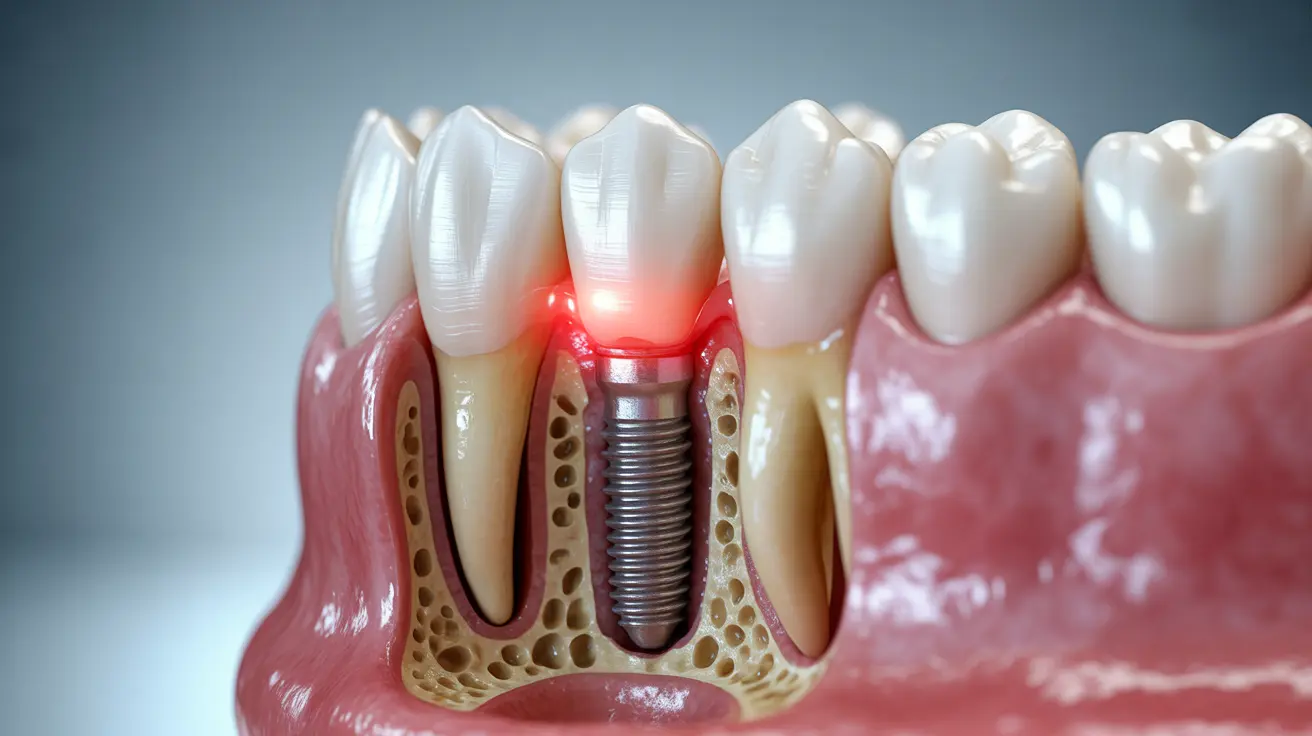
Changes in the appearance of your gums around the implant deserve immediate attention. Gum recession that exposes the metal implant post, darkening of the gum tissue, or the development of pockets between the implant and gum line all suggest potential complications.
The implant crown itself may show signs of looseness, chipping, or complete detachment. Any visible movement of the implant when touched or during normal function indicates a serious problem requiring urgent dental care.
Identifying Dental Implant Infections
Infection represents one of the most serious complications associated with bad dental implants. Peri-implantitis, the dental equivalent of gum disease around implants, can lead to bone loss and implant failure if left untreated.
Common signs of infection include persistent bad breath that doesn't improve with oral hygiene, pus or discharge around the implant site, and a metallic taste in your mouth. The surrounding tissue may appear red, swollen, and tender to touch.
Systemic Signs of Infection
In severe cases, infection around a dental implant can cause systemic symptoms. Fever, swollen lymph nodes in the neck area, and general feelings of illness may indicate that the infection has spread beyond the immediate implant site.
These symptoms require immediate medical attention, as untreated dental infections can lead to serious health complications. Your dentist may need to prescribe antibiotics or recommend more aggressive treatment approaches.
Causes and Prevention of Implant Failure
Common Risk Factors
Several factors contribute to dental implant complications. Poor oral hygiene is the leading cause, as bacteria accumulation can trigger infection and inflammation. Smoking significantly increases the risk of implant failure by impairing blood flow and healing.
Medical conditions such as diabetes, autoimmune disorders, and osteoporosis can affect implant integration with the jawbone. Additionally, teeth grinding or clenching places excessive force on implants, potentially causing mechanical failure over time.
Prevention Strategies
Maintaining excellent oral hygiene is fundamental to implant success. This includes regular brushing with a soft-bristled toothbrush, daily flossing with implant-specific tools, and using an antibacterial mouth rinse as recommended by your dentist.
Regular dental checkups allow for early detection of potential problems. Your dentist can monitor the health of your implants, perform professional cleanings, and address minor issues before they become major complications.
Treatment Options for Failed Implants
Conservative Treatments
When problems are caught early, conservative treatment approaches may be successful. Professional cleaning procedures can remove bacteria and infected tissue around the implant. Antibiotic therapy, either topical or systemic, may help control infection.
Laser therapy and other advanced cleaning techniques can sometimes reverse early-stage peri-implantitis. Your dentist might also recommend changes to your oral hygiene routine or prescribe specialized cleaning tools.
Surgical Interventions
More severe cases may require surgical treatment. Procedures can range from minor tissue grafting to complete implant removal and replacement. Bone grafting might be necessary if significant bone loss has occurred around the failed implant.
In cases where the implant must be removed, your dentist will typically wait for the area to heal completely before considering replacement options. This healing period allows tissues to recover and increases the chances of success with a new implant.
When to Seek Professional Help
Any persistent discomfort, unusual changes around your implant, or concerns about your oral health warrant professional evaluation. Don't wait for symptoms to worsen, as early intervention often leads to better outcomes.
Regular maintenance appointments with your dental team are essential for long-term implant success. These visits allow for professional monitoring and help ensure that any developing problems are addressed promptly.
Frequently Asked Questions
What are the most common signs of a bad dental implant?
The most common warning signs include persistent pain or discomfort around the implant site, swelling and redness of the surrounding gums, loose or wobbly implant crown, difficulty chewing, bad breath or metallic taste, and visible recession of gums around the implant. Any of these symptoms, especially when they persist or worsen over time, warrant immediate professional evaluation.
How do you know if your dental implant is infected?
Signs of dental implant infection include pus or discharge around the implant, persistent bad breath despite good oral hygiene, swollen and tender gums around the implant site, metallic taste in your mouth, and in severe cases, fever or swollen lymph nodes. The area may also appear red and feel warm to the touch. If you notice any combination of these symptoms, contact your dentist immediately for evaluation and treatment.
Can a dental implant become loose or fall out, and what should you do?
Yes, dental implants can become loose due to infection, insufficient bone integration, excessive force from teeth grinding, or mechanical failure of the crown attachment. If you notice any movement in your implant or if the crown becomes loose, avoid chewing on that side and contact your dentist immediately. Do not attempt to tighten or adjust it yourself, as this could cause further damage.
What causes dental implant failure and how can it be prevented?
Common causes include poor oral hygiene leading to infection, smoking which impairs healing, medical conditions like diabetes, teeth grinding, and inadequate bone density. Prevention involves maintaining excellent oral hygiene, attending regular dental checkups, avoiding tobacco products, managing underlying health conditions, using a night guard if you grind your teeth, and following all post-operative care instructions provided by your dental team.
What are the treatment options for a failed or infected dental implant?
Treatment depends on the severity and cause of the problem. Options range from professional cleaning and antibiotic therapy for early-stage infections to surgical procedures including tissue grafts, bone grafts, or complete implant removal and replacement. In some cases, laser therapy or specialized cleaning procedures may help save the implant. Your dentist will evaluate your specific situation and recommend the most appropriate treatment approach based on the extent of the complication.