Leaky gut syndrome, medically known as increased intestinal permeability, occurs when the lining of the small intestine becomes damaged, allowing undigested food particles, toxins, and bacteria to leak through the intestinal wall into the bloodstream. This condition can trigger widespread inflammation and has been linked to various health issues, including digestive problems, autoimmune conditions, and chronic fatigue.
While dietary changes and lifestyle modifications form the foundation of leaky gut treatment, targeted supplementation can play a crucial role in healing and strengthening the intestinal barrier. Understanding which supplements for leaky gut offer the most scientific support can help you make informed decisions about your digestive health recovery.
Understanding the Intestinal Barrier
The intestinal barrier serves as a selective filter, allowing beneficial nutrients to pass through while keeping harmful substances out of the bloodstream. When this barrier becomes compromised, the tight junctions between intestinal cells loosen, creating gaps that permit the passage of unwanted materials.
This breakdown can result from various factors, including chronic stress, poor diet, excessive alcohol consumption, certain medications, and infections. The resulting inflammation can create a cycle where the damaged gut becomes increasingly permeable, making targeted nutritional support essential for healing.
Essential Amino Acids for Gut Repair
L-Glutamine: The Intestinal Fuel
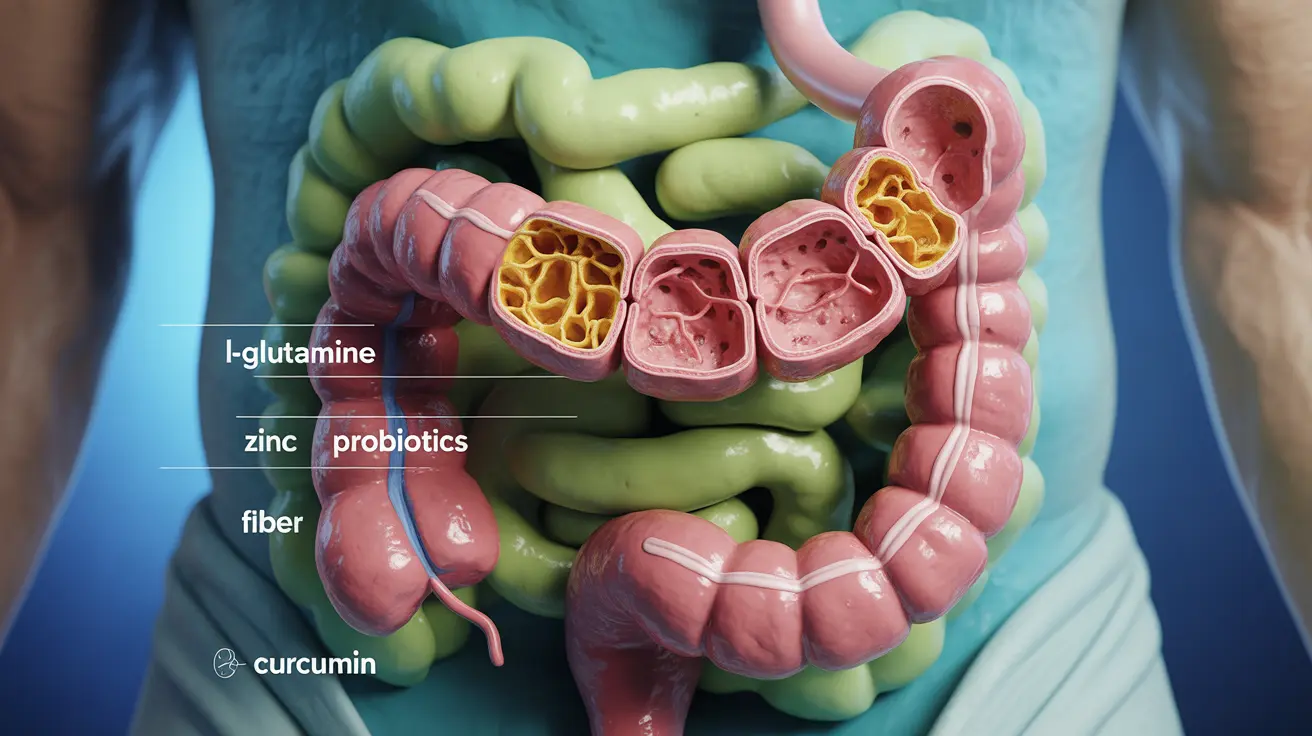
L-glutamine stands out as one of the most researched supplements for intestinal health. This conditionally essential amino acid serves as the primary fuel source for intestinal cells, particularly enterocytes that line the gut wall.
During times of stress or illness, the body's glutamine demands increase significantly, often exceeding natural production. Supplemental L-glutamine provides the building blocks necessary for rapid cell turnover in the intestinal lining, which regenerates approximately every 3-5 days.
Research suggests that L-glutamine supplementation can help maintain tight junction integrity, reduce intestinal permeability, and support the overall healing process. Typical dosing ranges from 5-15 grams daily, though individual needs may vary based on the severity of gut damage and overall health status.
Mineral Support for Barrier Function
Zinc: The Healing Mineral
Zinc plays a fundamental role in maintaining intestinal barrier function and supporting tissue repair throughout the digestive tract. This essential mineral is involved in protein synthesis, immune function, and wound healing – all critical processes for gut recovery.
Studies have demonstrated that zinc deficiency correlates with increased intestinal permeability, while adequate zinc levels help maintain tight junction proteins that keep the gut barrier intact. Zinc supplementation has shown promise in reducing inflammation markers and supporting the healing of damaged intestinal tissue.
The recommended form is zinc picolinate or zinc bisglycinate, which offer superior absorption compared to zinc oxide. Dosing typically ranges from 15-30 mg daily, preferably taken on an empty stomach for optimal absorption, though some individuals may need to take it with food to avoid nausea.
Microbiome Restoration and Fiber Support
Probiotics: Rebuilding Beneficial Bacteria
The gut microbiome plays a crucial role in maintaining intestinal barrier function. Beneficial bacteria produce short-chain fatty acids that nourish intestinal cells and help maintain tight junction integrity. They also compete with harmful pathogens for space and resources, creating a protective environment.
Multi-strain probiotic supplements containing Lactobacillus and Bifidobacterium species have shown particular promise for supporting gut barrier function. These beneficial microorganisms help modulate immune responses, reduce inflammation, and produce compounds that strengthen the intestinal lining.
For optimal results, choose probiotics with at least 10-50 billion CFUs (colony-forming units) and multiple strains. Refrigerated products or those with enteric coatings help ensure the bacteria survive stomach acid and reach the intestines alive.
Prebiotic Fiber: Feeding the Good Bacteria
Prebiotic fibers serve as food for beneficial gut bacteria, promoting their growth and activity. These non-digestible carbohydrates ferment in the colon, producing beneficial compounds like butyrate, which directly nourishes intestinal cells and supports barrier function.
Inulin, fructooligosaccharides (FOS), and galactooligosaccharides (GOS) are well-researched prebiotic fibers that can support gut health. However, individuals with severe gut dysfunction may need to introduce these gradually, as rapid increases in fiber can temporarily worsen symptoms in sensitive individuals.
Plant-Based Therapeutic Compounds
Curcumin: The Anti-Inflammatory Powerhouse
Curcumin, the active compound in turmeric, offers potent anti-inflammatory and antioxidant properties that can support gut healing. Research indicates that curcumin may help reduce intestinal inflammation, support tight junction function, and protect against oxidative stress in the digestive tract.
Due to curcumin's poor bioavailability, look for formulations enhanced with piperine (black pepper extract) or phospholipid complexes. These delivery systems can significantly improve absorption and therapeutic effectiveness.
Berberine: The Gut-Brain Connection
Berberine, extracted from various plants including goldenseal and Oregon grape, demonstrates remarkable effects on gut health and metabolism. This compound can help rebalance gut bacteria, reduce harmful bacterial overgrowth, and support intestinal barrier function.
Studies suggest berberine may help modulate the gut-brain axis, potentially addressing some of the systemic symptoms associated with leaky gut syndrome. Its antimicrobial properties can help address bacterial imbalances that contribute to intestinal permeability.
Additional Supportive Nutrients
Several other nutrients deserve consideration in a comprehensive leaky gut support protocol. Omega-3 fatty acids from fish oil can help reduce intestinal inflammation, while digestive enzymes may reduce the burden on compromised digestion.
Vitamin D plays a crucial role in immune function and intestinal barrier maintenance, while collagen peptides provide amino acids necessary for tissue repair. The herb slippery elm offers soothing mucilaginous compounds that can help protect and heal the gut lining.
Frequently Asked Questions
What are the best supplements for healing and strengthening a leaky gut?
The most effective supplements for leaky gut include L-glutamine for cellular fuel and repair, zinc for barrier function and healing, multi-strain probiotics for microbiome balance, and anti-inflammatory compounds like curcumin. A comprehensive approach typically combines 2-4 key supplements rather than relying on a single intervention.
How does L-glutamine help repair the intestinal lining in leaky gut syndrome?
L-glutamine serves as the primary energy source for intestinal cells, particularly the rapidly dividing cells that line the gut wall. It supports the synthesis of proteins needed for tight junction integrity, promotes cellular regeneration, and helps maintain the protective mucus layer. This amino acid also supports immune cell function within the gut-associated lymphoid tissue.
Can zinc supplementation reduce intestinal permeability and improve gut barrier function?
Yes, zinc supplementation can significantly improve intestinal barrier function. Zinc is essential for maintaining tight junction proteins, supporting tissue repair, and modulating immune responses in the gut. Studies show that zinc deficiency correlates with increased intestinal permeability, while adequate zinc levels help restore barrier integrity and reduce inflammation.
What role do probiotics and fiber play in supporting gut health and preventing leaky gut?
Probiotics help restore beneficial bacterial balance, produce protective compounds like short-chain fatty acids, and compete with harmful microorganisms. Prebiotic fiber feeds these beneficial bacteria, promoting their growth and activity. Together, they create a healthier gut environment that supports barrier function, reduces inflammation, and maintains proper immune responses.
Are natural plant-based supplements like curcumin and berberine effective for treating leaky gut?
Yes, both curcumin and berberine offer significant benefits for leaky gut recovery. Curcumin provides potent anti-inflammatory effects and supports tight junction function, while berberine helps rebalance gut bacteria and reduce harmful microbial overgrowth. These plant compounds work synergistically with other gut-healing nutrients to address multiple aspects of intestinal dysfunction.