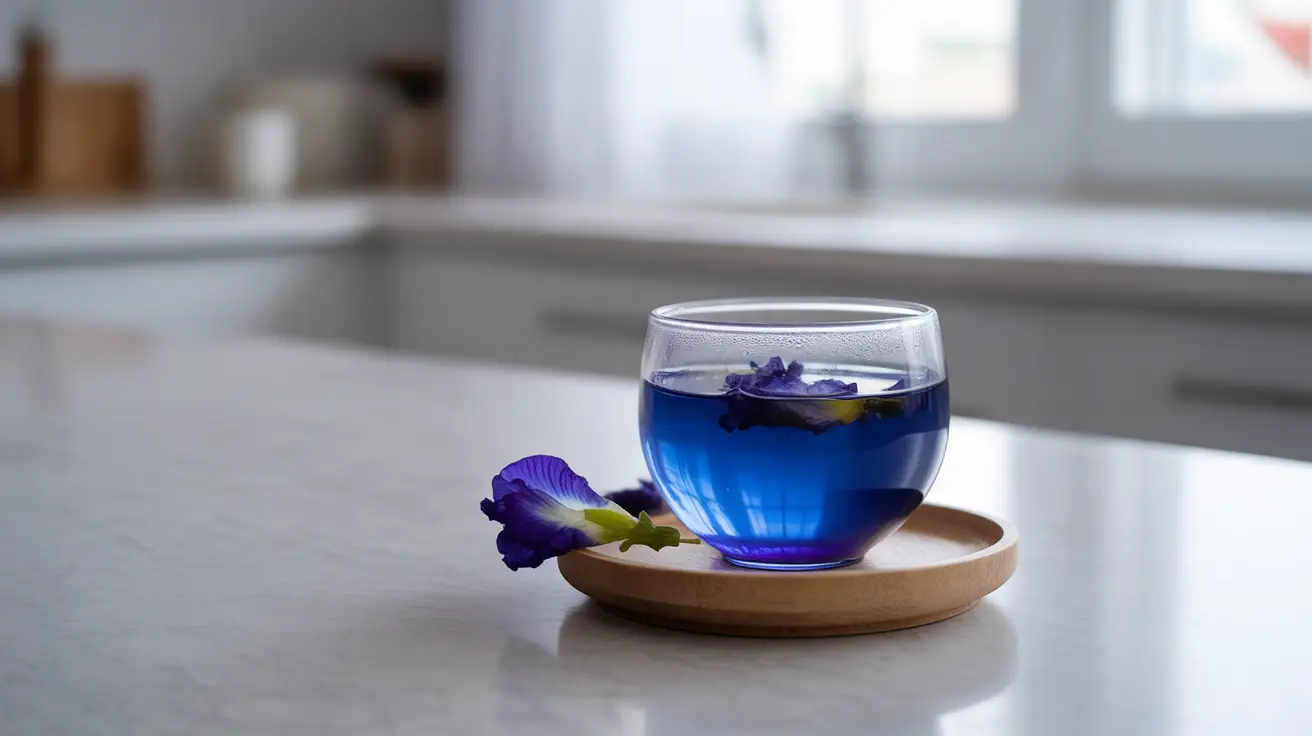
Blue tea, also known as butterfly pea flower tea, has emerged as one of the most visually stunning and health-promoting beverages in recent years. This vibrant, naturally blue-colored herbal tea is derived from the dried petals of the Clitoria ternatea plant, commonly called butterfly pea flowers. Beyond its Instagram-worthy appearance that changes color when lemon juice is added, blue tea offers an impressive array of health benefits that have captured the attention of wellness enthusiasts and health researchers alike.
Packed with powerful antioxidants called anthocyanins—the same compounds that give blueberries their deep color—blue tea provides a caffeine-free alternative to traditional teas while delivering unique therapeutic properties. From supporting cognitive function to promoting healthy skin, this ancient Southeast Asian beverage is gaining recognition as a functional drink that can enhance overall well-being when incorporated into a balanced lifestyle.
Powerful Antioxidant Properties and Free Radical Protection
The most significant blue tea benefits stem from its exceptionally high concentration of anthocyanins, particularly proanthocyanidin and ternatin. These potent antioxidants work tirelessly to neutralize harmful free radicals in your body, which are unstable molecules that can cause cellular damage and contribute to aging and various diseases.
Research suggests that the antioxidant capacity of butterfly pea flowers is comparable to, and in some cases exceeds, that of other antioxidant-rich foods like goji berries and green tea. Regular consumption of blue tea may help reduce oxidative stress throughout your body, potentially lowering the risk of chronic conditions such as heart disease, certain cancers, and premature aging.
The unique blue pigments in this tea also contain flavonoids that support immune system function, helping your body defend against infections and maintain optimal health. Unlike synthetic antioxidant supplements, the natural compounds in blue tea are easily absorbed and utilized by your body.
Cognitive Enhancement and Brain Health Support
One of the most compelling blue tea benefits involves its potential to enhance brain function and protect cognitive health. The anthocyanins in butterfly pea flowers have been shown to cross the blood-brain barrier, where they can exert protective effects on brain cells and neural pathways.
Studies indicate that regular consumption of anthocyanin-rich beverages like blue tea may improve memory formation, enhance focus and concentration, and support overall cognitive performance. The neuroprotective properties of these compounds may also help reduce the risk of age-related cognitive decline and neurodegenerative conditions.
Additionally, blue tea contains acetylcholine, a neurotransmitter crucial for memory and learning processes. By supporting healthy neurotransmitter function, this herbal beverage may help maintain mental sharpness and cognitive flexibility as you age.
Blood Sugar Regulation and Metabolic Support
For individuals concerned about blood sugar management, blue tea offers promising benefits for glucose regulation and metabolic health. Research has demonstrated that compounds in butterfly pea flowers can help slow the absorption of glucose from the digestive tract, leading to more stable blood sugar levels after meals.
The tea's natural compounds may also enhance insulin sensitivity, allowing cells to more effectively utilize glucose for energy. This can be particularly beneficial for people with prediabetes or those at risk of developing type 2 diabetes. However, while these preliminary findings are encouraging, blue tea should complement, not replace, proper diabetes management under medical supervision.
Furthermore, the metabolic benefits of blue tea may extend to weight management, as improved glucose control and enhanced insulin sensitivity can help reduce cravings for sugary foods and support healthy energy levels throughout the day.
Skin and Hair Health Enhancement
The beauty-promoting blue tea benefits extend far beyond internal health, offering significant advantages for skin and hair wellness. The high concentration of antioxidants in butterfly pea flowers helps protect skin cells from environmental damage caused by UV radiation, pollution, and other oxidative stressors.
Regular consumption of blue tea may help maintain skin elasticity, reduce the appearance of fine lines and wrinkles, and promote a natural, healthy glow. The anti-inflammatory properties of anthocyanins can also help soothe skin irritation and may be beneficial for individuals with inflammatory skin conditions.
For hair health, the antioxidants and nutrients in blue tea support healthy hair follicles and may help prevent premature graying by protecting melanin-producing cells. Some people also use cooled blue tea as a natural hair rinse to enhance shine and manageability, though topical benefits require further research.
Heart Health and Circulation Benefits
The cardiovascular blue tea benefits are supported by the tea's rich anthocyanin content, which has been extensively studied for its heart-protective properties. These compounds help strengthen blood vessel walls, improve circulation, and may help regulate blood pressure levels.
Regular consumption of anthocyanin-rich foods and beverages like blue tea has been associated with reduced risk of cardiovascular disease, improved cholesterol profiles, and better overall heart health. The anti-inflammatory effects of these compounds may also help reduce arterial inflammation, a key factor in atherosclerosis development.
Additionally, blue tea's potential to support healthy blood flow may benefit overall energy levels and physical performance, making it an excellent choice for active individuals seeking natural ways to support their cardiovascular system.
Safe Consumption and Preparation Guidelines
Blue tea is generally considered safe for daily consumption by most healthy adults, with no significant side effects reported in scientific literature. The naturally caffeine-free nature of this herbal tea makes it suitable for consumption at any time of day, including evening hours when caffeine-containing beverages might disrupt sleep.
To prepare blue tea, steep 1-2 teaspoons of dried butterfly pea flowers in hot water (not boiling) for 5-7 minutes. The resulting deep blue liquid can be enjoyed hot or cold, and adding lemon juice will create a beautiful purple color change while providing additional vitamin C.
Most people can safely consume 2-3 cups of blue tea daily to experience its health benefits. However, individuals taking medications for diabetes or blood thinning should consult their healthcare provider before regularly consuming blue tea, as it may enhance the effects of certain medications.
Frequently Asked Questions
What are the main health benefits of drinking blue tea made from butterfly pea flowers?
The primary blue tea benefits include powerful antioxidant protection from anthocyanins, support for cognitive function and memory, potential blood sugar regulation, skin and hair health enhancement, and cardiovascular support. The tea is naturally caffeine-free and provides these benefits through its rich concentration of flavonoids and other bioactive compounds unique to butterfly pea flowers.
How does blue tea support brain function and cognitive health?
Blue tea supports brain health through its high anthocyanin content, which can cross the blood-brain barrier to protect neurons from oxidative damage. These compounds may improve memory formation, enhance focus and concentration, and support overall cognitive performance. The tea also contains acetylcholine, a neurotransmitter important for learning and memory processes, making it potentially beneficial for maintaining mental sharpness with age.
Can blue tea help regulate blood sugar levels for people with diabetes?
Research suggests that blue tea may help with blood sugar regulation by slowing glucose absorption and potentially improving insulin sensitivity. However, while these preliminary findings are promising, individuals with diabetes should view blue tea as a complementary beverage rather than a treatment replacement. It's essential to consult with healthcare providers before using blue tea as part of diabetes management, especially if taking blood sugar medications.
What effects does blue tea have on skin and hair health?
Blue tea's antioxidants protect skin cells from environmental damage, potentially maintaining skin elasticity and reducing signs of aging. The anti-inflammatory properties may help soothe skin irritation and support overall skin health. For hair, the antioxidants support healthy hair follicles and may help prevent premature graying by protecting melanin-producing cells. Some people use cooled blue tea as a natural hair rinse for added shine.
Is blue tea safe to drink daily, and are there any side effects to be aware of?
Blue tea is generally safe for daily consumption by healthy adults, with no significant side effects reported in scientific studies. Being naturally caffeine-free, it can be enjoyed throughout the day without affecting sleep. Most people can safely consume 2-3 cups daily. However, individuals on diabetes medications or blood thinners should consult their healthcare provider, as blue tea may enhance these medications' effects.