Many people reach for a drink when feeling stressed or anxious, believing that alcohol can provide relief from overwhelming emotions. While alcohol may seem to offer temporary calm, the relationship between alcohol and anxiety is far more complex than it appears on the surface. Understanding this connection is crucial for anyone who has ever wondered whether that evening glass of wine or weekend cocktail truly helps manage their anxiety levels.
The reality is that while alcohol might provide short-term relief from anxious feelings, it often creates more problems than it solves. Research consistently shows that alcohol's impact on anxiety follows a predictable pattern that can ultimately worsen the very symptoms people are trying to escape. Let's explore the science behind this relationship and discover healthier ways to manage anxiety effectively.
The Science Behind Alcohol and Anxiety Relief
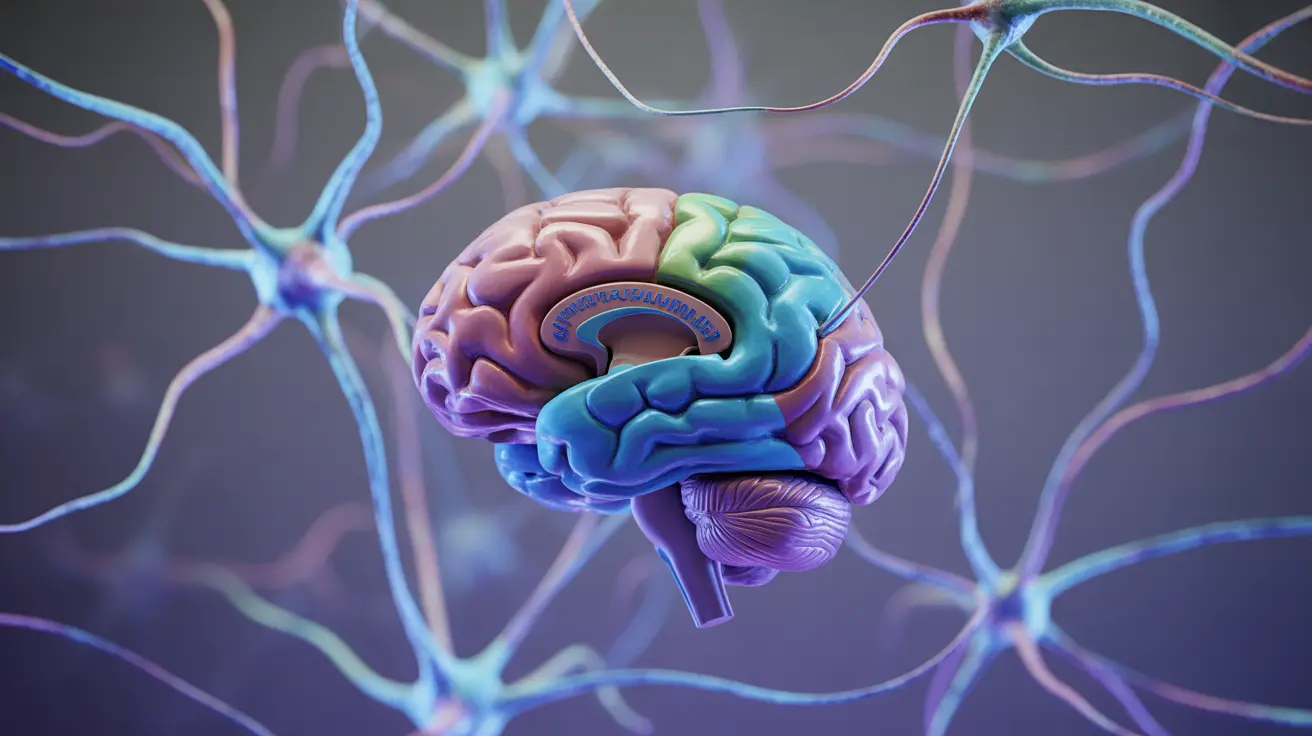
When alcohol enters your system, it acts as a central nervous system depressant, initially slowing down brain activity and creating feelings of relaxation. This happens because alcohol enhances the effects of gamma-aminobutyric acid (GABA), a neurotransmitter that promotes calm and reduces neural excitability. At the same time, it suppresses glutamate, an excitatory neurotransmitter associated with anxiety and stress.
This biochemical process explains why many people experience temporary anxiety relief after drinking. The initial effects can include reduced social inhibitions, decreased worry, and a general sense of relaxation. However, these benefits are short-lived and come with significant drawbacks that become apparent as the alcohol leaves your system.
The temporary nature of alcohol's calming effects creates a dangerous cycle. As your body metabolizes alcohol, it works to restore balance by reducing GABA activity and increasing glutamate production. This rebound effect often leaves you feeling more anxious than before you started drinking, creating what researchers call "hangxiety" or hangover anxiety.
Why Anxiety Increases After Drinking
The anxiety that follows alcohol consumption has multiple causes rooted in both biology and psychology. As your blood alcohol level drops, your nervous system rebounds from the depressant effects, often overshooting normal baseline levels. This rebound hyperexcitability manifests as increased heart rate, heightened alertness, and feelings of unease or panic.
Dehydration plays a significant role in post-drinking anxiety. Alcohol is a diuretic that causes fluid loss, leading to dehydration that can trigger anxiety symptoms. Additionally, alcohol disrupts sleep patterns, preventing restorative REM sleep that's essential for emotional regulation and stress management.
Blood sugar fluctuations also contribute to increased anxiety after drinking. Alcohol initially raises blood sugar levels, but as your body processes it, glucose levels can drop significantly, triggering stress hormones and anxiety symptoms. This rollercoaster effect on blood sugar creates physical sensations that the brain interprets as anxiety or panic.
Duration of Post-Alcohol Anxiety
The timeline for anxiety following alcohol consumption varies significantly based on several factors, including the amount consumed, individual metabolism, overall health, and existing anxiety levels. For light to moderate drinking, anxiety symptoms typically emerge within 6-12 hours after your last drink and can last anywhere from a few hours to several days.
Heavy drinking episodes often produce more severe and longer-lasting anxiety symptoms. Some individuals report feeling anxious and unsettled for up to a week after heavy alcohol consumption. This extended period reflects the time needed for your nervous system to fully recover and restore its natural balance of neurotransmitters.
People with pre-existing anxiety disorders may experience more intense and prolonged symptoms. Their already-sensitive nervous systems are more vulnerable to alcohol's disruptive effects, and recovery time tends to be longer. Regular heavy drinking can create a chronic state of heightened anxiety that persists even between drinking episodes.
Risks of Using Alcohol for Anxiety Management
Using alcohol as an anxiety management tool carries serious risks that extend far beyond temporary discomfort. The most significant danger is the development of alcohol dependence. When you repeatedly use alcohol to cope with anxiety, your brain begins to rely on it for emotional regulation, making it increasingly difficult to manage stress without drinking.
This pattern can quickly evolve into a vicious cycle where anxiety drives drinking, and drinking increases anxiety, leading to more frequent and heavier alcohol use. Over time, this cycle can result in alcohol use disorder, a serious medical condition that requires professional treatment.
Long-term alcohol use for anxiety management can worsen underlying mental health conditions. Regular drinking disrupts the brain's natural ability to produce calming neurotransmitters, making anxiety more severe and persistent. It can also interfere with the effectiveness of anxiety medications and therapy, limiting treatment options.
Physical health consequences include liver damage, cardiovascular problems, compromised immune function, and increased risk of accidents or injuries. The combination of alcohol and anxiety can also lead to poor decision-making, relationship problems, and difficulties at work or school.
Healthier Alternatives for Managing Anxiety
Fortunately, numerous evidence-based strategies can effectively manage anxiety without the risks associated with alcohol use. Regular physical exercise stands out as one of the most powerful natural anxiety reducers. Activities like walking, swimming, yoga, or dancing release endorphins and reduce stress hormones, providing lasting mood benefits.
Mindfulness and meditation practices offer immediate and long-term anxiety relief. Techniques such as deep breathing exercises, progressive muscle relaxation, and guided imagery can be learned quickly and used anywhere. These practices help retrain your nervous system to respond more calmly to stressors.
Cognitive-behavioral therapy (CBT) is highly effective for anxiety management. Working with a therapist helps you identify thought patterns that contribute to anxiety and develop healthier coping mechanisms. Many people find significant improvement in anxiety symptoms through therapy alone.
Lifestyle modifications can significantly impact anxiety levels. Maintaining regular sleep schedules, limiting caffeine intake, eating balanced meals, and staying hydrated all contribute to better emotional regulation. Social support from friends, family, or support groups provides additional resilience against anxiety.
For severe anxiety, prescription medications prescribed by healthcare providers offer safer and more effective relief than alcohol. These medications are specifically designed to manage anxiety symptoms without the negative side effects and addiction potential of alcohol.
Frequently Asked Questions
Can alcohol really calm anxiety or does it make it worse?
Alcohol can provide temporary anxiety relief by enhancing calming brain chemicals and suppressing excitatory ones. However, this effect is short-lived and typically followed by a rebound period where anxiety becomes worse than before drinking. Long-term alcohol use for anxiety management almost always worsens anxiety symptoms and can lead to dependence.
Why do I feel more anxious after drinking alcohol?
Post-drinking anxiety occurs because your nervous system rebounds from alcohol's depressant effects, often overshooting normal levels and creating hyperexcitability. This is combined with dehydration, disrupted sleep, blood sugar fluctuations, and the brain's attempt to restore neurotransmitter balance, all of which contribute to increased anxiety symptoms.
How long does anxiety last after drinking alcohol?
Anxiety after drinking typically begins 6-12 hours after your last drink and can last from several hours to several days, depending on the amount consumed and individual factors. Light drinking may cause anxiety for a few hours, while heavy drinking episodes can result in anxiety symptoms lasting up to a week.
Is it safe to use alcohol to cope with anxiety or stress?
Using alcohol to cope with anxiety is not safe and can lead to serious problems including alcohol dependence, worsened anxiety symptoms, and interference with effective treatments. The temporary relief is outweighed by the risks of developing a drinking problem and the rebound anxiety that follows alcohol use.
What are healthier alternatives to alcohol for managing anxiety?
Effective alternatives include regular exercise, mindfulness and meditation practices, cognitive-behavioral therapy, adequate sleep, balanced nutrition, social support, and when necessary, prescription medications prescribed by healthcare providers. These approaches provide lasting relief without the risks associated with alcohol use.