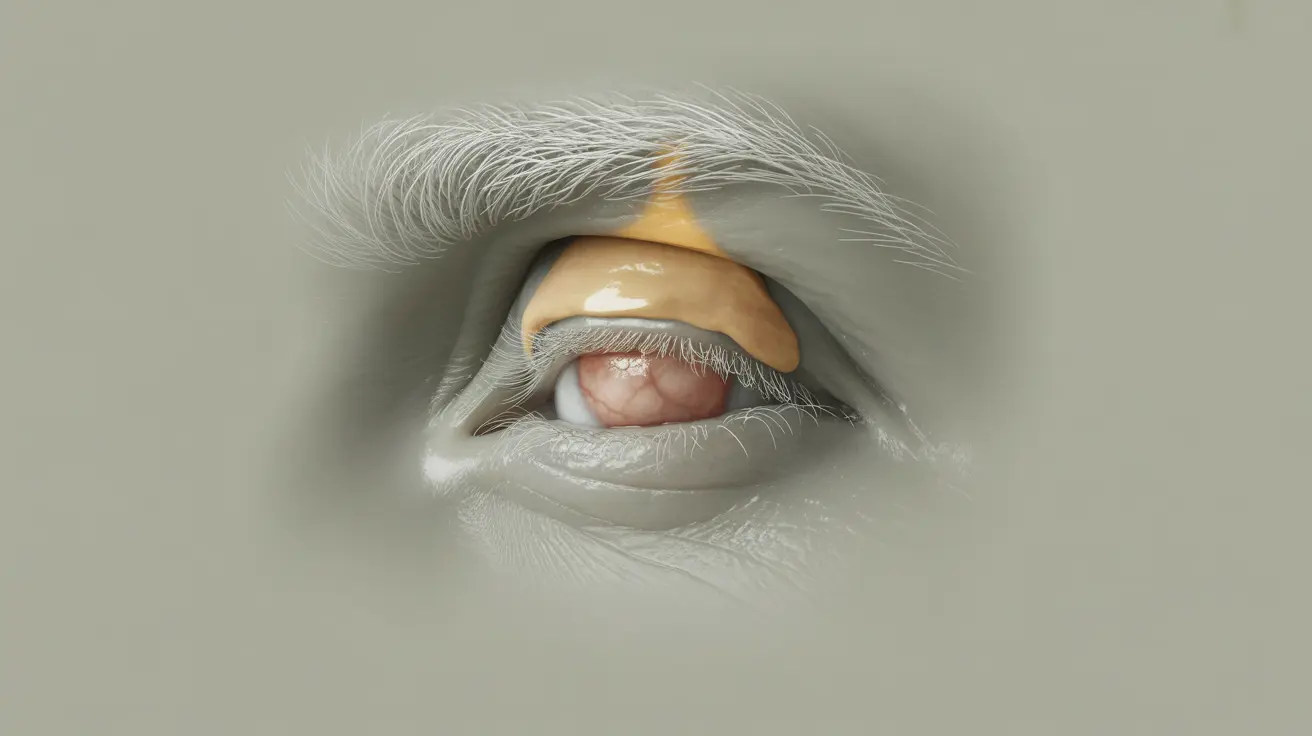
A chalazion is a typically painless bump or swelling that develops on your eyelid when an oil gland becomes blocked. While it might look concerning at first, understanding what a chalazion is and how to manage it can help ease your worries and guide you toward proper treatment.
This comprehensive guide will explore everything you need to know about chalazia (plural of chalazion), including their causes, symptoms, treatment options, and prevention strategies. We'll also help you understand when it's time to seek professional medical care.
What Is a Chalazion?
A chalazion occurs when a meibomian gland in your eyelid becomes clogged and inflamed. These specialized oil glands line your eyelids and produce oils that help keep your eyes lubricated. When one becomes blocked, the oil builds up inside the gland, creating a noticeable bump on the eyelid.
Identifying a Chalazion vs. a Stye
While chalazia and styes may look similar, they have distinct characteristics that set them apart:
Chalazion Characteristics
- Usually painless or only mildly tender
- Typically appears farther from the eyelash line
- Tends to be larger than a stye
- Develops gradually over several weeks
- Often appears as a round, firm bump
Stye Characteristics
- Usually painful and tender
- Typically appears along the eyelash line
- Generally smaller than a chalazion
- Develops more quickly
- Often appears as a red, inflamed bump
Treatment Options for Chalazion
Most chalazia can be treated effectively at home, though some cases may require medical intervention. Here are the primary treatment approaches:
At-Home Treatment
- Warm compresses (10-15 minutes, 4-6 times daily)
- Gentle eyelid massage
- Good eyelid hygiene
- Over-the-counter eye drops if recommended
Medical Treatment
If home remedies don't resolve the chalazion within a few weeks, your healthcare provider might recommend:
- Steroid injections
- Surgical incision and drainage
- Antibiotics (in cases of infection)
Prevention Strategies
While not all chalazia can be prevented, several practices can help reduce your risk:
- Regular eyelid cleaning
- Proper eye makeup removal
- Regular hand washing
- Management of underlying conditions like blepharitis
- Avoiding touching or rubbing eyes with unwashed hands
When to See a Doctor
Seek medical attention if you experience:
- A chalazion that doesn't improve after 4-6 weeks of home treatment
- Recurring chalazia
- Vision changes
- Unusual redness or spreading inflammation
- Severe pain or sensitivity to light
Frequently Asked Questions
What are the symptoms of a chalazion and how does it differ from a stye?
A chalazion typically presents as a painless, firm bump on the eyelid that develops gradually. Unlike a stye, which is usually painful and appears along the eyelash line, a chalazion tends to be larger, less painful, and located farther from the lash line.
How is a chalazion typically treated, and do I need to see a doctor?
Most chalazia respond well to home treatment with warm compresses and gentle massage. However, if the chalazion persists beyond 4-6 weeks or causes vision problems, consulting an eye doctor is recommended. They may suggest medical interventions like steroid injections or surgical drainage.
What causes a chalazion to form, and are there any risk factors that increase its likelihood?
A chalazion forms when an oil gland in the eyelid becomes blocked. Risk factors include chronic blepharitis, rosacea, poor eyelid hygiene, and certain skin conditions. People who frequently touch their eyes or don't remove eye makeup properly may also be at higher risk.
Can a chalazion be prevented, or are there ways to reduce the risk of developing one?
While not entirely preventable, you can reduce your risk by maintaining good eyelid hygiene, properly removing eye makeup, washing hands regularly, and managing underlying conditions like blepharitis or rosacea.
How long does it usually take for a chalazion to resolve on its own, and what happens if it doesn't go away?
A chalazion typically resolves within 2-8 weeks with proper home care. If it persists beyond this time frame, medical intervention may be necessary. Persistent or recurring chalazia should be evaluated by an eye care professional to rule out other conditions and determine the best treatment approach.