Chronic venous insufficiency (CVI) is a progressive condition that affects the circulation in your leg veins, potentially leading to serious complications if left untreated. Understanding the different stages of this condition is crucial for proper diagnosis, treatment, and management of symptoms.
This comprehensive guide will explore how CVI develops through various stages, what symptoms to watch for, and the most effective treatments for each phase of the condition. Whether you're newly diagnosed or managing advanced symptoms, knowing what to expect can help you take control of your vascular health.
The CEAP Classification System Explained
Healthcare providers use the CEAP (Clinical, Etiology, Anatomy, and Pathophysiology) classification system to diagnose and track the progression of chronic venous insufficiency. This standardized approach helps ensure consistent diagnosis and appropriate treatment across different healthcare settings.
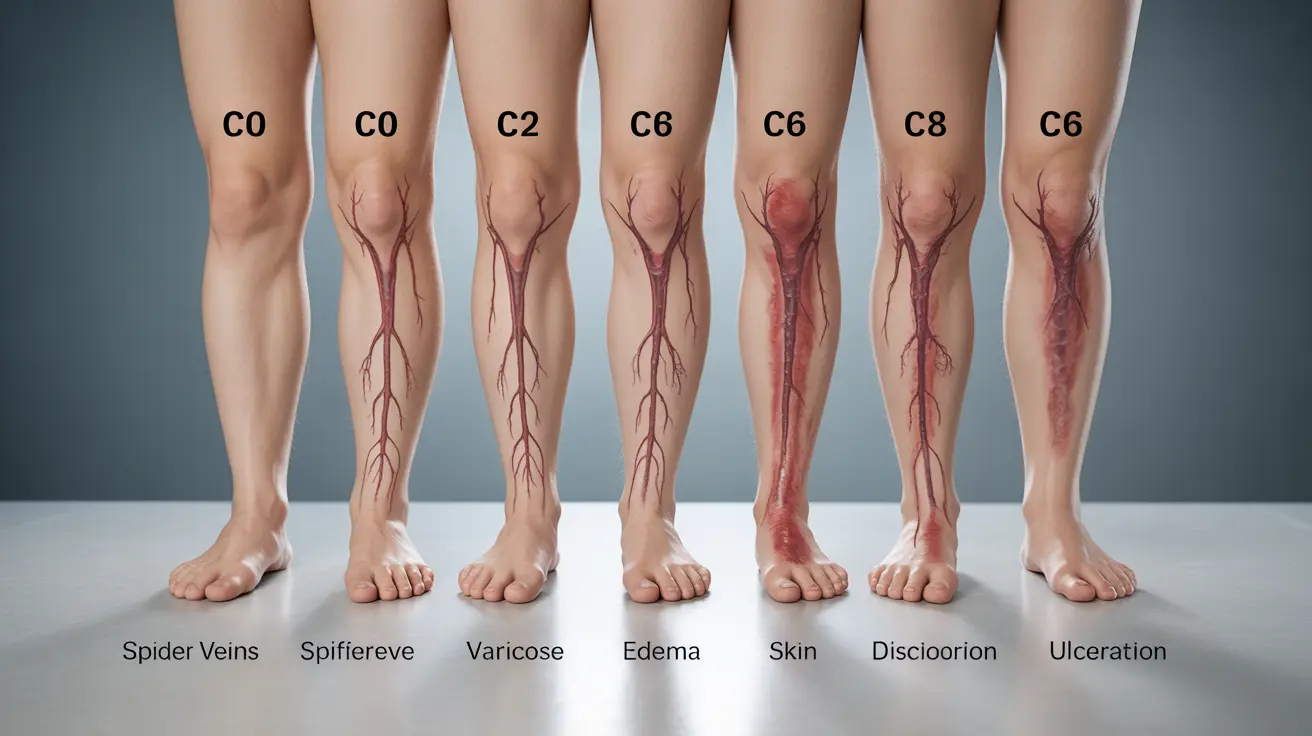
Stage C0: No Visible Signs
At this earliest stage, patients may experience symptoms like leg heaviness or fatigue, but there are no visible signs of venous disease. While this stage might seem mild, early intervention can help prevent progression to more serious stages.
Stage C1: Spider Veins
This stage is characterized by the appearance of small, twisted blood vessels visible just beneath the skin's surface. These telangiectasias (spider veins) are often more cosmetic concerns but can indicate underlying venous problems.
Stage C2: Varicose Veins
Larger, rope-like veins become visible during this stage. These varicose veins may be accompanied by increasing discomfort, especially after long periods of standing or sitting.
Progressive Symptoms and Complications
Stages C3-C4: Edema and Skin Changes
As CVI advances, patients typically experience noticeable swelling in their legs and ankles. The skin may become darker, harder, and develop a leather-like texture. These changes signal significant progression of the disease and require prompt medical attention.
Stages C5-C6: Ulceration
The most advanced stages involve the development of venous ulcers. Stage C5 indicates healed ulcers, while C6 represents active ulceration. These wounds can be challenging to heal and may significantly impact quality of life.
Treatment Approaches Across Different Stages
Treatment strategies vary depending on the stage of CVI and typically include a combination of approaches:
- Conservative measures (compression therapy, elevation)
- Lifestyle modifications
- Minimally invasive procedures
- Advanced wound care for ulcers
- Surgical interventions when necessary
The Role of Compression Therapy
Compression therapy remains a cornerstone of CVI treatment across all stages. Properly fitted compression stockings help improve blood flow and reduce swelling, potentially slowing disease progression.
Managing CVI Through Lifestyle Changes
Successful management of CVI often requires consistent lifestyle modifications:
- Regular exercise, especially walking
- Weight management
- Leg elevation when resting
- Avoiding prolonged standing or sitting
- Proper skin care and hygiene
Frequently Asked Questions
What are the different stages of chronic venous insufficiency according to the CEAP classification?
The CEAP classification ranges from C0 (no visible signs) to C6 (active ulcers). It progresses through stages including spider veins (C1), varicose veins (C2), edema (C3), skin changes (C4), healed ulcers (C5), and active ulcers (C6).
How do symptoms progress as chronic venous insufficiency advances from early to severe stages?
Symptoms typically progress from mild discomfort and visible veins to more severe manifestations including leg swelling, skin changes, and ultimately ulceration in advanced stages. Early stages may only show spider or varicose veins, while later stages involve significant skin changes and wound development.
What treatment options are recommended for each stage of chronic venous insufficiency?
Treatment recommendations vary by stage, starting with conservative measures like compression therapy and exercise in early stages. Advanced stages may require more aggressive interventions including minimally invasive procedures, wound care, and sometimes surgery.
How can lifestyle changes and compression therapy help manage or slow the progression of chronic venous insufficiency?
Regular exercise, weight management, and proper compression therapy can improve blood flow, reduce swelling, and help prevent progression of CVI. These interventions are most effective when started early and maintained consistently.
What are the signs of skin changes and ulcers in advanced stages of chronic venous insufficiency?
Advanced stages of CVI typically show darkening of the skin, hardening or thickening of tissue, and potential ulcer formation. The skin may become brownish in color, develop a leather-like texture, and be more susceptible to injury and poor healing.