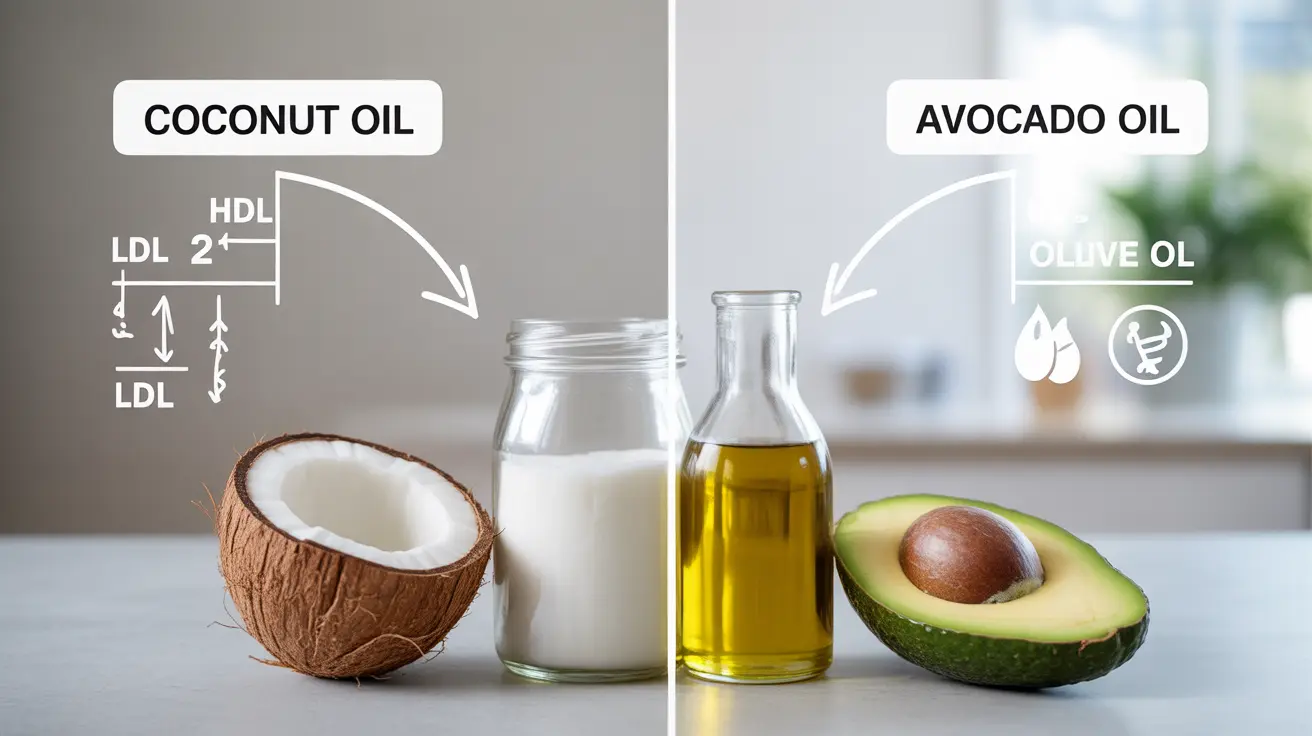
As coconut oil has gained popularity in recent years, questions about its effects on cholesterol and heart health have become increasingly important. With its unique composition of saturated fats, understanding how coconut oil impacts cholesterol levels is crucial for making informed dietary choices.
This comprehensive guide explores the relationship between coconut oil and cholesterol, examining scientific evidence and providing practical guidance for those concerned about their heart health.
Understanding Coconut Oil's Composition
Coconut oil contains approximately 90% saturated fat, significantly higher than other cooking oils. What makes it unique is its high concentration of medium-chain triglycerides (MCTs), particularly lauric acid, which the body processes differently from other saturated fats.
The MCT Factor
Medium-chain triglycerides are metabolized more efficiently than long-chain fatty acids found in most other dietary fats. While this might suggest potential health benefits, it's essential to understand how these compounds affect cholesterol levels specifically.
Impact on Cholesterol Levels
Research shows that coconut oil can affect both LDL (low-density lipoprotein) and HDL (high-density lipoprotein) cholesterol levels. While it may increase HDL ("good") cholesterol, it can also raise LDL ("bad") cholesterol levels, which is associated with increased cardiovascular risk.
Effects on Different Cholesterol Types
- It can raise HDL cholesterol levels more than other oils
- It typically increases LDL cholesterol more than unsaturated plant oils
- The overall cholesterol ratio may be less favorable than with other plant-based oils
Healthier Cooking Oil Alternatives
- Extra virgin olive oil
- Avocado oil
- Canola oil
- Walnut oil
These options contain more unsaturated fats, which are generally considered better for heart health.
Guidelines for Safe Consumption
If you choose to include coconut oil in your diet, moderation is key. The American Heart Association recommends limiting saturated fat intake to no more than 5-6% of total daily calories, which includes coconut oil consumption.
Frequently Asked Questions
Is coconut oil bad for cholesterol and heart health?
Coconut oil can raise both HDL and LDL cholesterol levels. While it may have some beneficial properties, its high saturated fat content means it should be consumed in moderation, especially for those with cholesterol concerns.
How does coconut oil affect LDL and HDL cholesterol levels?
Coconut oil tends to raise both LDL and HDL cholesterol levels. While the increase in HDL might be beneficial, the simultaneous rise in LDL could potentially offset these benefits and may increase cardiovascular risk.
Can consuming coconut oil increase my risk of heart disease?
Regular consumption of large amounts of coconut oil may increase heart disease risk due to its potential to raise LDL cholesterol. The relationship is complex and may depend on individual factors and overall diet quality.
What are healthier alternatives to coconut oil for cooking and cholesterol management?
Oils high in unsaturated fats, such as olive oil, avocado oil, and canola oil, are generally better choices for heart health. These alternatives have been shown to help maintain healthy cholesterol levels.
How much coconut oil is safe to consume without raising bad cholesterol?
The safe amount varies by individual, but generally, limiting coconut oil to 1-2 tablespoons per day, within the context of a healthy diet and while staying within recommended saturated fat limits, is advisable. Those with existing cholesterol concerns should consult their healthcare provider for personalized guidance.