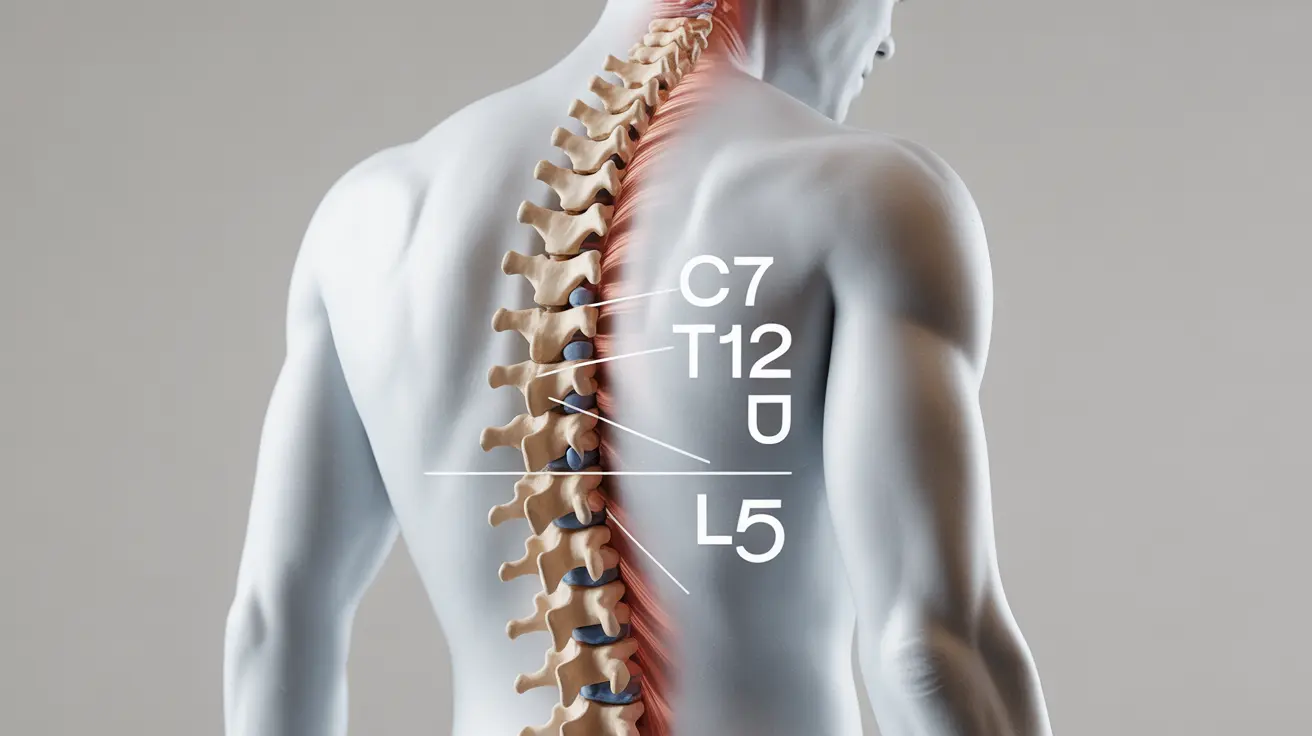
Congenital scoliosis is a spinal condition present at birth that can significantly impact a child's development and quality of life. This condition occurs when the vertebrae don't form properly during fetal development, leading to an abnormal curvature of the spine. Understanding its effects on life expectancy and long-term health outcomes is crucial for parents and caregivers.
Early Detection and Diagnosis
Identifying congenital scoliosis early is crucial for optimal treatment outcomes. Healthcare providers typically diagnose this condition through:
- Physical examination
- Imaging studies (X-rays, MRI, CT scans)
- Family history assessment
- Developmental milestone monitoring
Early warning signs may include visible spine curvature, uneven shoulders or hips, and asymmetrical muscle development. Some children might also experience breathing difficulties due to the impact on their chest cavity.
Treatment Approaches and Options
Conservative Management
For mild cases, doctors may recommend non-surgical interventions such as:
- Regular monitoring of curve progression
- Physical therapy
- Bracing in specific cases
- Postural exercises
Surgical Interventions
More severe cases often require surgical correction, particularly when:
- The curve is progressing rapidly
- Breathing function is compromised
- Conservative treatments prove ineffective
- There's risk of neurological complications
Impact on Life Expectancy
While congenital scoliosis can present serious challenges, modern medical advances have significantly improved long-term outcomes. Most individuals with properly managed congenital scoliosis can expect a normal life expectancy, though quality of life may be affected by:
- Severity of the curve
- Associated conditions
- Timing of intervention
- Treatment compliance
Factors Influencing Prognosis
Several key factors affect long-term outcomes:
- Age at diagnosis
- Type and location of vertebral anomalies
- Presence of other congenital conditions
- Access to appropriate medical care
- Treatment adherence
Managing Complications
Preventing and managing complications is essential for maintaining quality of life. This includes:
- Regular medical check-ups
- Monitoring respiratory function
- Managing pain and discomfort
- Addressing associated conditions
- Maintaining overall physical health
Frequently Asked Questions
What are the symptoms of congenital scoliosis and how is it diagnosed in children?
Symptoms include visible spine curvature, uneven shoulders or hips, and potential breathing difficulties. Diagnosis involves physical examination, imaging studies like X-rays and MRI scans, and assessment of developmental milestones.
How is congenital scoliosis treated, and what are the options for surgical intervention?
Treatment options range from conservative approaches like monitoring and bracing to surgical procedures. Surgical interventions may include spinal fusion, growing rods, or vertebral column resection, depending on the patient's age and condition severity.
Can congenital scoliosis affect life expectancy, and what factors influence long-term outcomes?
With proper treatment, most individuals can achieve normal life expectancy. Outcomes are influenced by curve severity, timing of intervention, associated conditions, and treatment compliance.
What are the benefits and risks of bracing versus surgery for managing congenital scoliosis in children?
Bracing can help manage mild curves and may delay or prevent surgery in some cases, though it's not always effective for congenital cases. Surgery offers more definitive correction but carries risks such as infection and complications. The choice depends on individual factors and severity.
How can I prevent complications from congenital scoliosis, and what role does early detection play in treatment success?
Early detection is crucial for optimal outcomes. Regular monitoring, prompt treatment, and addressing associated conditions help prevent complications. Early intervention often leads to better treatment options and improved long-term results.