For those following a ketogenic diet, the question of whether dark chocolate can fit into their low-carb lifestyle is a common concern. The good news is that dark chocolate can indeed be part of a well-planned keto diet, provided you choose the right type and consume it in appropriate portions.
Understanding how to incorporate dark chocolate into your keto meal plan requires knowledge about cocoa content, sugar levels, and serving sizes. This comprehensive guide will help you make informed choices about enjoying dark chocolate while maintaining ketosis.
Choosing the Right Dark Chocolate for Keto
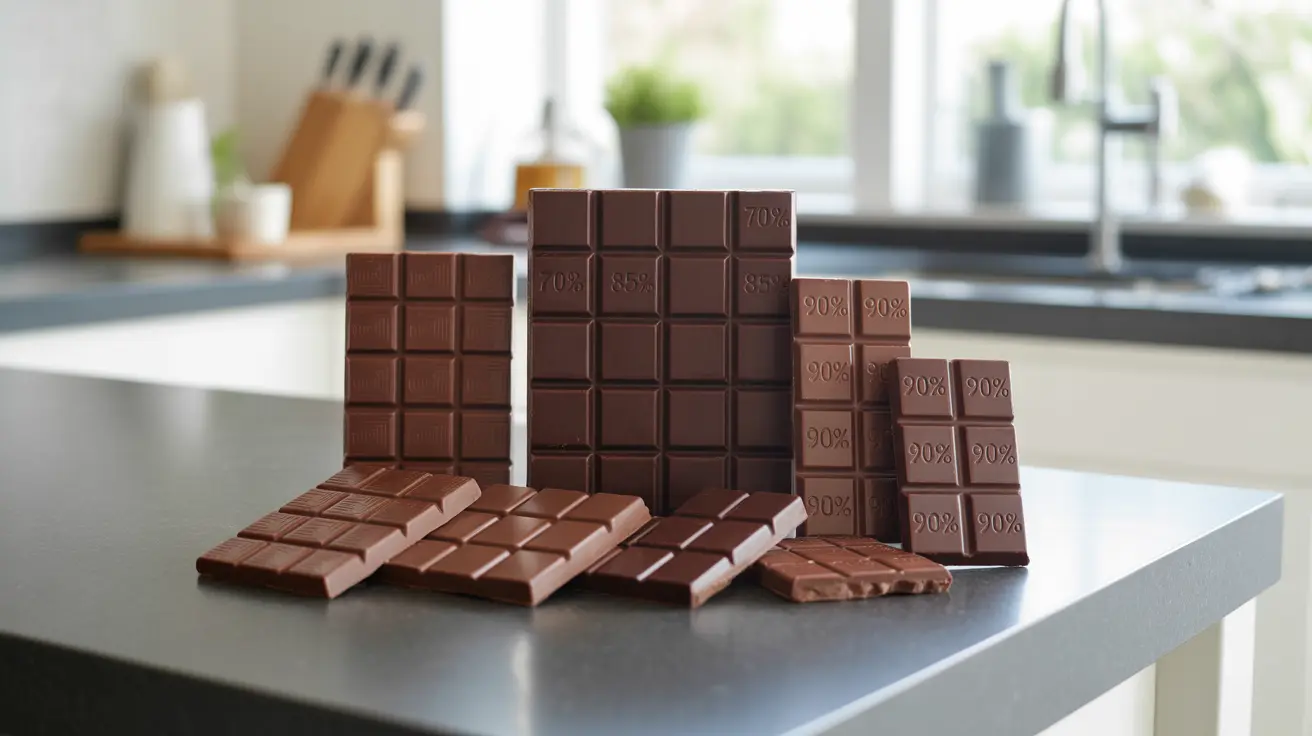
When selecting dark chocolate for a ketogenic diet, the cocoa percentage is crucial. Higher cocoa content typically means lower sugar content, making it more keto-friendly. Look for dark chocolate with at least 70% cocoa content, though 85% or higher is ideal for minimizing carb intake.
The best keto-friendly dark chocolate options should contain minimal additives and use sugar alternatives when possible. Check the ingredients list carefully, avoiding products with added sugar, maltodextrin, or other high-carb sweeteners.
Understanding Cocoa Content and Net Carbs
The relationship between cocoa percentage and net carbs is inverse - as cocoa content increases, net carbs typically decrease. For example:
- 70% dark chocolate: approximately 7-9g net carbs per ounce
- 85% dark chocolate: approximately 4-6g net carbs per ounce
- 90% dark chocolate: approximately 3-4g net carbs per ounce
Portion Control on Keto
Even with high-cocoa dark chocolate, portion control remains essential for maintaining ketosis. A recommended serving size is typically 1-1.5 ounces (28-42g) per day, depending on your daily carb allowance and the chocolate's specific nutritional profile.
Tips for Managing Dark Chocolate Consumption
To enjoy dark chocolate while staying in ketosis:
- Break a serving into smaller pieces to make it last longer
- Plan your daily carb allowance to accommodate the chocolate
- Consider having dark chocolate after a meal to help control portions
- Store chocolate properly to preserve freshness and prevent overindulgence
Health Benefits of Dark Chocolate on Keto
Dark chocolate offers several health benefits that align well with ketogenic diet goals:
- Rich in antioxidants, particularly flavonoids
- Contains beneficial minerals like magnesium and iron
- May help reduce inflammation
- Can support heart health
- Contains healthy fats that align with keto macros
Frequently Asked Questions
Is dark chocolate keto-friendly, and how much can I eat on a keto diet without breaking ketosis? Dark chocolate can be keto-friendly when chosen carefully. You can typically consume 1-1.5 ounces of 85% or higher dark chocolate daily without breaking ketosis, provided it fits within your daily carb allowance.
What percentage of cocoa should I look for in dark chocolate to keep carb content low for keto? Look for dark chocolate with at least 70% cocoa content, though 85% or higher is ideal for minimizing carb intake while maintaining ketosis.
How much sugar and net carbs are in a typical serving of dark chocolate on keto? Net carbs vary by cocoa percentage, but typically range from 3-9g per ounce. The higher the cocoa percentage, the lower the net carbs. A 90% dark chocolate might have only 3-4g net carbs per ounce.
What are the health benefits of eating dark chocolate while following a ketogenic diet? Dark chocolate provides antioxidants, healthy fats, essential minerals, and may help reduce inflammation while supporting heart health. These benefits complement the ketogenic diet's goals.
Are there any keto-approved dark chocolate brands or specific types that are better for low-carb diets? Look for brands that specifically market to the keto community and use sugar alternatives. Quality dark chocolate brands with 85% or higher cocoa content are generally suitable. Always check the nutrition label for net carb content.
Remember that while dark chocolate can be part of a healthy ketogenic diet, it should be consumed in moderation and as part of your overall daily macro calculations to maintain optimal ketosis.