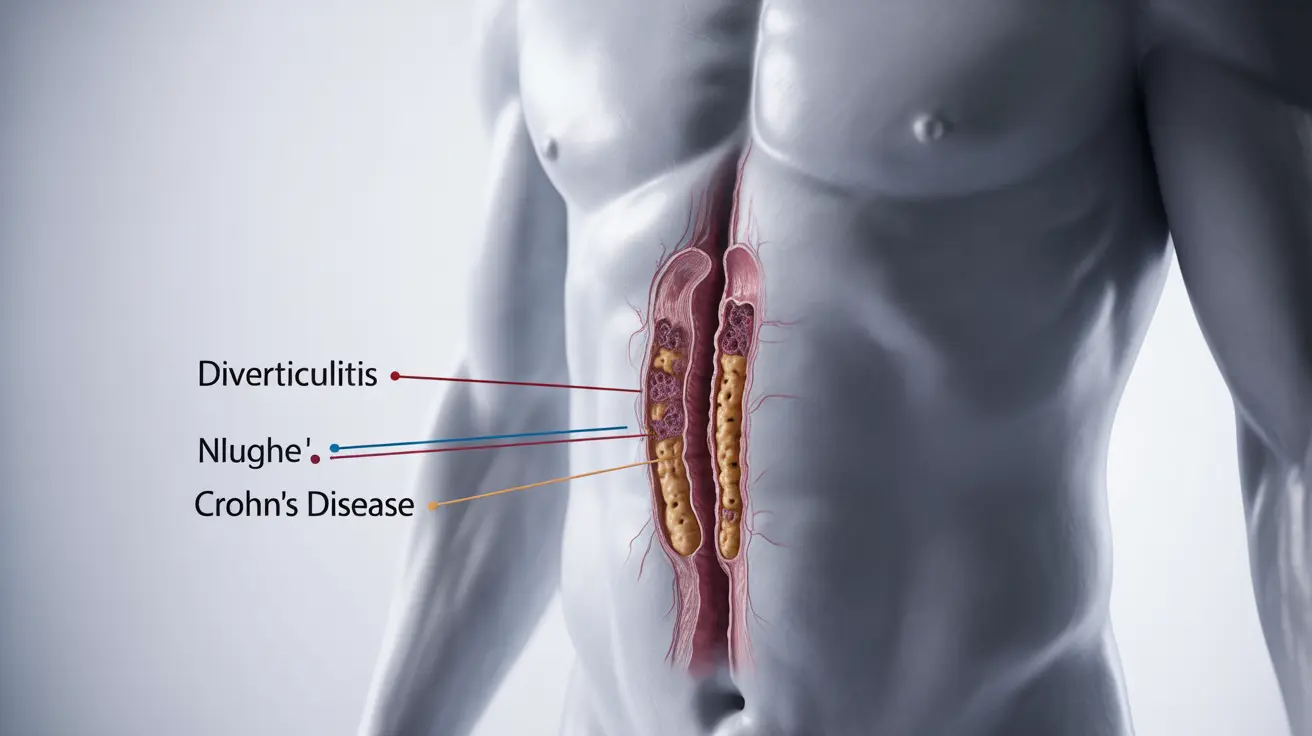
For those experiencing digestive health issues, distinguishing between diverticulitis and Crohn's disease can be challenging due to their overlapping symptoms. While both conditions affect the digestive tract, they have distinct characteristics, causes, and treatment approaches that are important to understand.
This comprehensive guide will help you understand the key differences between these two inflammatory conditions, their unique symptoms, and how medical professionals approach diagnosis and treatment for each.
Understanding the Basics of Each Condition
Diverticulitis occurs when small, bulging pouches (diverticula) that form in the digestive tract become infected or inflamed. These pouches most commonly develop in the lower part of the large intestine. On the other hand, Crohn's disease is a chronic inflammatory bowel disease that can affect any part of the digestive tract, from mouth to anus.
Distinct Characteristics and Symptoms
Diverticulitis Symptoms
Diverticulitis typically presents with specific symptoms including:
- Severe abdominal pain, usually on the lower left side
- Fever and chills
- Nausea and vomiting
- Changes in bowel habits
- Bloating and gas
- Constipation or diarrhea
Crohn's Disease Symptoms
Crohn's disease symptoms tend to be more widespread and may include:
- Persistent diarrhea
- Abdominal cramping and pain
- Fatigue
- Weight loss
- Reduced appetite
- Blood in stool
- Mouth sores
Diagnostic Approaches
Healthcare providers use different methods to diagnose these conditions accurately. Common diagnostic tools include:
- CT scans
- Colonoscopy
- Blood tests
- Stool samples
- MRI enterography
Treatment Strategies
Treating Diverticulitis
Treatment for diverticulitis typically focuses on addressing acute episodes and preventing future occurrences. Options may include:
- Antibiotics for infection
- Clear liquid diet during flares
- Gradually introducing fiber-rich foods
- Surgery in severe cases
- Lifestyle modifications
Managing Crohn's Disease
Crohn's disease treatment is typically long-term and may involve:
- Anti-inflammatory medications
- Immunosuppressants
- Biologics
- Dietary modifications
- Regular monitoring
- Surgery when necessary
Prevention and Lifestyle Management
While these conditions have different causes, certain lifestyle changes can help manage both:
- Maintaining a healthy diet
- Regular exercise
- Stress management
- Avoiding trigger foods
- Regular medical check-ups
Frequently Asked Questions
What are the main differences between Crohn's disease and diverticulitis symptoms?
While both conditions cause abdominal pain, Crohn's disease typically causes chronic inflammation throughout the digestive tract, resulting in persistent diarrhea, weight loss, and fatigue. Diverticulitis usually causes acute pain in the lower left abdomen, fever, and changes in bowel habits during flare-ups.
How is diverticulitis typically treated, and what dietary changes can help manage symptoms?
Diverticulitis is treated with antibiotics during acute episodes, along with a clear liquid diet initially. Long-term management includes gradually increasing fiber intake, staying hydrated, and regular exercise. During flares, a low-fiber diet may be recommended temporarily.
Can Crohn's disease increase the risk of developing diverticulitis, and what are the implications?
While Crohn's disease doesn't directly cause diverticulitis, the chronic inflammation and potential weakening of the intestinal wall in Crohn's patients may increase their susceptibility to developing diverticula. This requires careful monitoring and management by healthcare providers.
What are the most common complications of untreated diverticulitis, and how can they be prevented?
Untreated diverticulitis can lead to abscess formation, perforation, fistulas, or bowel obstruction. Prevention includes maintaining a high-fiber diet, staying hydrated, exercising regularly, and seeking prompt medical attention when symptoms occur.
How does a healthcare provider diagnose whether someone has Crohn's disease or diverticulitis given their similar symptoms?
Healthcare providers use a combination of imaging studies (CT scans, colonoscopy), blood tests, and stool samples to differentiate between the conditions. They also consider the pattern and duration of symptoms, as Crohn's is chronic while diverticulitis typically presents as acute episodes.