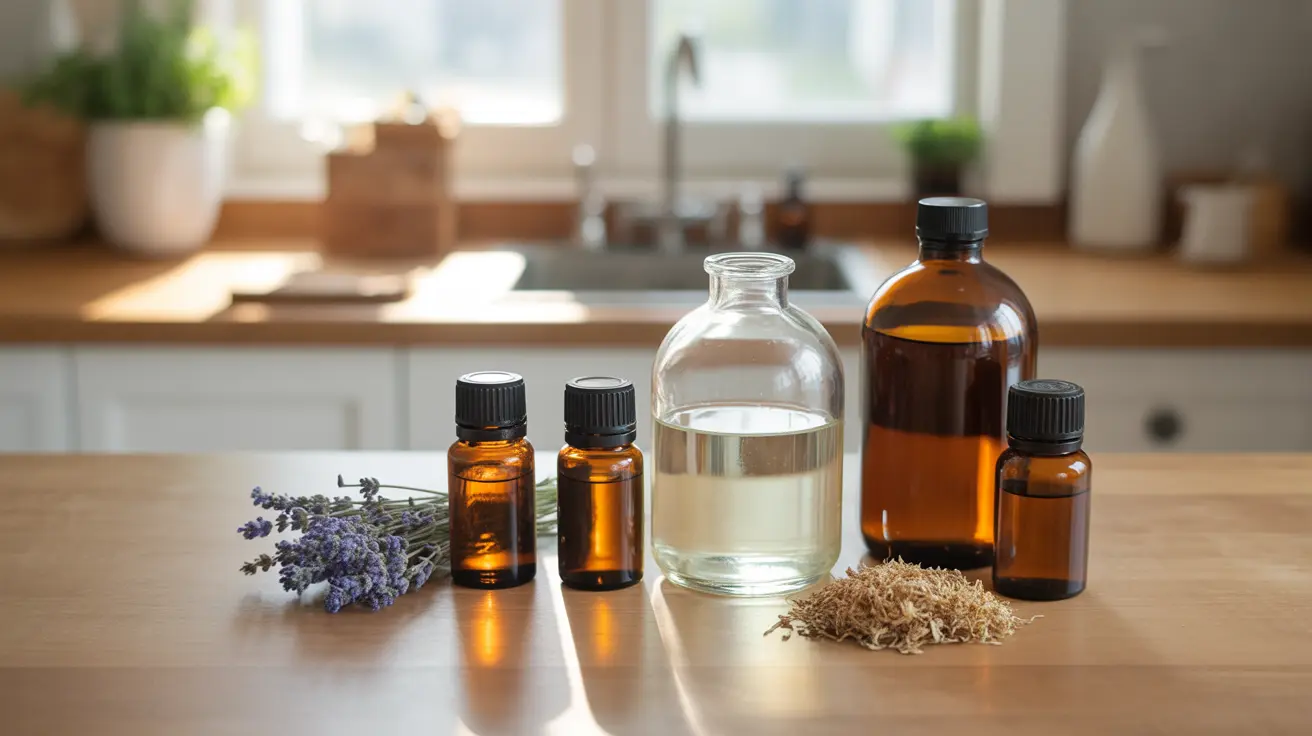
Creating your own homemade bug spray can be an excellent alternative to commercial insect repellents, offering both effectiveness and peace of mind about the ingredients you're applying to your skin. With the right combination of natural ingredients, you can craft a powerful defense against mosquitoes and other biting insects while avoiding harsh chemicals.
Understanding how to make and use natural insect repellents effectively is crucial, especially in areas where mosquito-borne diseases like malaria are a concern. This comprehensive guide will walk you through proven recipes, essential ingredients, and best practices for creating safe and effective natural bug sprays.
Essential Ingredients for Natural Bug Repellents
The foundation of any effective homemade bug spray relies on specific natural ingredients known for their insect-repelling properties:
- Citronella essential oil
- Lemon eucalyptus oil
- Lavender essential oil
- Peppermint essential oil
- Witch hazel
- Apple cider vinegar
- Distilled water
Base Liquid Options
Your homemade bug spray needs a proper base to dilute and carry the essential oils. Common options include:
- Witch hazel (alcohol-free)
- Distilled water
- Apple cider vinegar
- Fractionated coconut oil
Effective Homemade Bug Spray Recipes
Basic Water-Based Recipe
This simple recipe is suitable for most situations:
- 4 ounces distilled water
- 2 ounces witch hazel
- 30-50 drops total of essential oils (mix of citronella, lemon eucalyptus, and lavender)
Long-Lasting Oil-Based Formula
For extended protection, especially in humid conditions:
- 4 ounces fractionated coconut oil
- 20 drops citronella essential oil
- 20 drops lemon eucalyptus oil
- 10 drops lavender essential oil
- 10 drops peppermint essential oil
Application and Safety Guidelines
When using homemade bug sprays, follow these important safety practices:
- Always perform a patch test before full application
- Avoid applying near eyes and mouth
- Reapply every 2-3 hours or after swimming/sweating
- Store in dark glass bottles away from direct sunlight
- Label containers with ingredients and date of preparation
Maximizing Protection in High-Risk Areas
In regions where mosquito-borne diseases are prevalent, combine your homemade bug spray with additional protective measures:
- Wear long-sleeved clothing treated with permethrin
- Use bed nets while sleeping
- Eliminate standing water around your home
- Apply repellent during peak mosquito activity times
Frequently Asked Questions
What are some effective homemade bug spray recipes to repel mosquitoes naturally?
The most effective homemade bug spray recipe combines witch hazel, distilled water, and a blend of essential oils including citronella, lemon eucalyptus, and lavender. Mix these ingredients in a dark glass spray bottle and shake well before each use.
Can essential oils like lavender and lemon eucalyptus truly help prevent mosquito bites and malaria?
While essential oils can effectively repel mosquitoes, they should be part of a comprehensive protection strategy in malaria-risk areas. Lemon eucalyptus oil, in particular, has been scientifically proven to provide significant mosquito-repelling properties, though it may need more frequent reapplication than chemical alternatives.
How do I make a safe and effective homemade bug spray for skin application using natural ingredients?
Create a safe spray by combining 4 ounces of witch hazel with 30-50 drops of mosquito-repelling essential oils in a spray bottle. Always dilute essential oils properly and perform a patch test before full application to ensure skin compatibility.
What are the benefits and risks of using plant-based repellents instead of chemical bug sprays?
Benefits include fewer synthetic chemicals, pleasant natural scents, and customizable formulations. Risks include shorter protection duration, possible skin sensitivity to certain essential oils, and the need for more frequent reapplication compared to chemical alternatives.
How can I layer multiple prevention strategies to maximize protection against malaria in high-risk areas?
Combine your homemade bug spray with protective clothing, bed nets, and environmental controls. Apply repellent every 2-3 hours, wear long sleeves and pants during peak mosquito times, and eliminate standing water around your living area. In high-risk regions, consider using this natural approach alongside conventional malaria prevention methods recommended by healthcare providers.