As CBD products gain popularity for various wellness purposes, many people wonder about their effects on appetite and eating patterns. Unlike its well-known cousin THC, CBD (cannabidiol) has a more complex relationship with hunger and metabolism that's important to understand before incorporating it into your wellness routine.
This comprehensive guide explores the relationship between CBD and appetite, examining scientific evidence and comparing it to other cannabinoids to help you make informed decisions about CBD use.
How CBD Affects Your Appetite
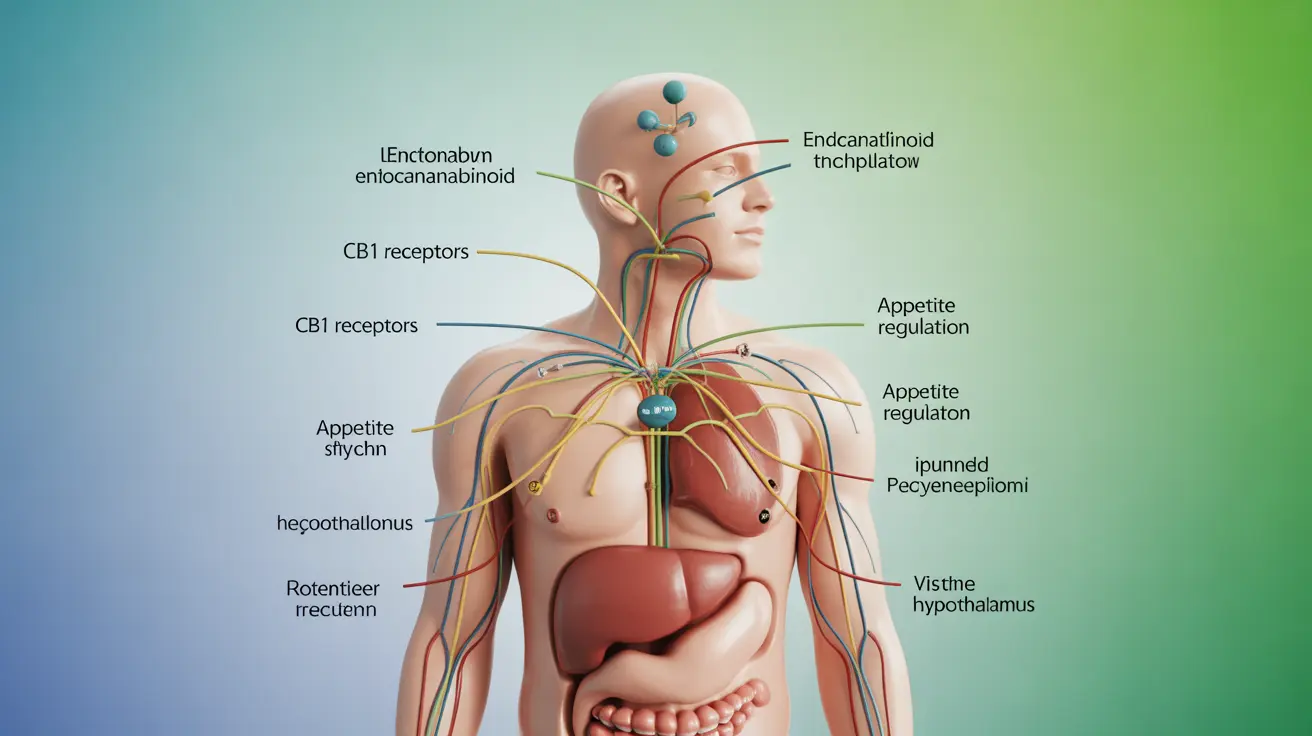
CBD's influence on appetite differs significantly from what many people expect. Rather than directly stimulating hunger, CBD works by interacting with the body's endocannabinoid system (ECS), which plays a crucial role in regulating appetite, metabolism, and energy balance.
Research suggests that CBD may actually help normalize appetite rather than increasing it. It does this by reducing anxiety and stress, which can often impact eating patterns, and by supporting the body's natural appetite-regulating mechanisms.
CBD vs. THC: Understanding the Difference
While both CBD and THC come from the cannabis plant, their effects on appetite are distinctly different. THC is well-known for causing "the munchies," or increased appetite, but CBD doesn't share this characteristic.
Key differences include:
- THC directly stimulates appetite through CB1 receptor activation
- CBD doesn't typically increase hunger
- CBD may help reduce appetite in some cases
- THC's effects are more predictable regarding hunger
CBD's Role in Weight Management
Some research suggests that CBD might actually support healthy weight management through several mechanisms:
- Promoting brown fat cell production
- Supporting metabolic health
- Reducing inflammation
- Helping manage stress-related eating
Managing Stress-Related Appetite Changes
One of CBD's most significant benefits relates to stress management. By helping to reduce anxiety and stress, CBD may indirectly help regulate eating patterns that are affected by emotional states.
This stress-reducing effect can be particularly beneficial for people who experience:
- Stress-induced overeating
- Anxiety-related loss of appetite
- Irregular eating patterns due to mood fluctuations
Safety Considerations and Medical Conditions
Before using CBD for appetite management, it's important to consider various health factors and potential interactions. This is especially crucial for people with conditions that affect metabolism or those taking medications.
Important considerations include:
- Consulting healthcare providers before starting CBD
- Monitoring blood sugar levels if diabetic
- Being aware of potential medication interactions
- Starting with low doses and gradually increasing if needed
Frequently Asked Questions
Does CBD increase appetite, or does it make you hungry?
CBD typically doesn't increase appetite like THC does. Instead, it may help normalize appetite by reducing stress and anxiety that can affect eating patterns. Some users report decreased appetite with CBD use.
How does CBD compare to THC in terms of appetite stimulation?
While THC directly stimulates appetite through CB1 receptor activation, CBD doesn't have this effect. THC is known for causing "the munchies," but CBD may actually help regulate appetite without causing increased hunger.
Can CBD help with managing weight by reducing hunger?
Some research suggests CBD may support weight management by potentially reducing appetite, increasing metabolism, and helping with stress-related eating patterns. However, more research is needed to fully understand these effects.
What are the potential benefits of using CBD for managing stress-related appetite changes?
CBD may help regulate stress-related eating by reducing anxiety and stress levels. This can help normalize eating patterns that are disrupted by emotional factors and potentially support more balanced dietary habits.
Is CBD safe to use if I have a condition like diabetes that affects hunger and metabolism?
While CBD is generally considered safe, individuals with conditions affecting metabolism or hunger should consult their healthcare provider before using CBD. This is especially important for diabetics or those taking medications that affect blood sugar or appetite.