Living with spondylolisthesis requires a careful approach to exercise that balances strengthening key muscle groups while protecting your spine. Understanding which exercises are safe and beneficial can make a significant difference in managing symptoms and improving your quality of life.
This comprehensive guide will explore various exercises and activities that can help you maintain mobility, build strength, and manage discomfort associated with spondylolisthesis, all while prioritizing your safety and spine health.
Understanding Safe Exercise Principles for Spondylolisthesis
Before diving into specific exercises, it's crucial to understand that any exercise program for spondylolisthesis should focus on stability, controlled movements, and proper form. Always start gradually and listen to your body's signals to prevent aggravating symptoms.
Core-Strengthening Exercises
A strong core provides essential support for your spine and can help manage spondylolisthesis symptoms. The following exercises focus on building core stability:
Bird Dog Exercise
This exercise strengthens both core and back muscles while maintaining spine neutral position:
- Start on hands and knees
- Slowly extend opposite arm and leg
- Hold for 5-10 seconds
- Return to starting position
- Repeat on other side
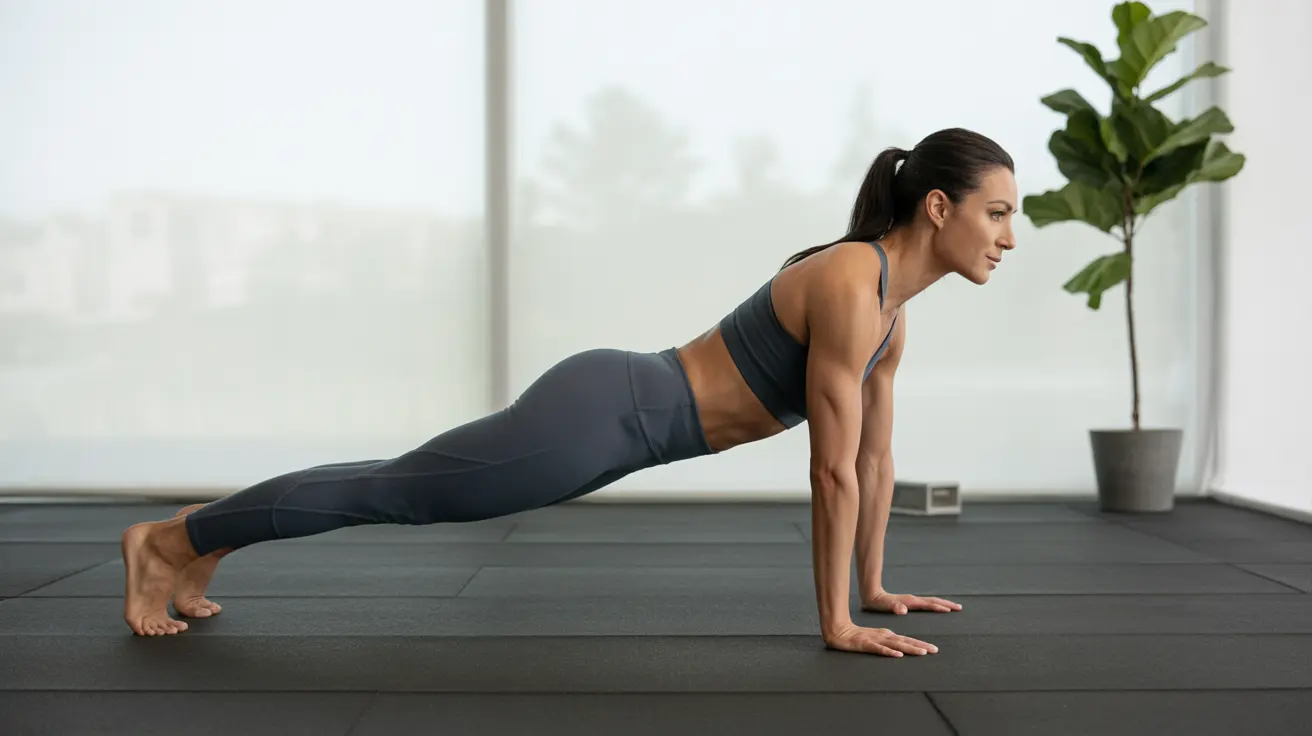
Modified Planks
These provide core strengthening while minimizing spinal stress:
- Begin with forearm planks
- Keep your body in a straight line
- Hold for 10-30 seconds
- Progress duration as strength improves
Low-Impact Cardiovascular Activities
Maintaining cardiovascular fitness is important, but choosing the right activities is crucial. The following options provide benefits while minimizing stress on your spine:
Swimming
Swimming offers full-body exercise while the water's buoyancy reduces spinal compression. Focus on:
- Freestyle stroke with proper form
- Water walking
- Aqua jogging
- Gentle water aerobics
Stationary Cycling
Cycling provides cardiovascular benefits with minimal impact:
- Use an upright or recumbent bike
- Maintain proper posture
- Start with short sessions
- Gradually increase duration
Gentle Stretching and Mobility Exercises
Pelvic Tilts
This fundamental exercise helps maintain spine mobility and can relieve discomfort:
- Lie on your back with knees bent
- Flatten your lower back against the floor
- Hold for 5-10 seconds
- Release and repeat 10 times
Cat-Cow Stretch
This gentle movement helps maintain spine flexibility:
- Start on hands and knees
- Alternate between arching and rounding your back
- Move slowly and controlled
- Perform 5-10 repetitions
Exercise Precautions and Safety
To protect your spine while exercising with spondylolisthesis:
- Avoid high-impact activities
- Skip heavy weightlifting
- Maintain neutral spine alignment
- Stop if pain increases
- Work with a physical therapist when starting new exercises
Frequently Asked Questions
What exercises are safe and effective for managing spondylolisthesis symptoms?
Safe exercises include core-strengthening activities like modified planks and bird dog poses, low-impact cardiovascular exercises such as swimming and stationary cycling, and gentle stretches like pelvic tilts. These exercises focus on building stability while minimizing stress on the spine.
How can I strengthen my core and back muscles to help with spondylolisthesis?
Focus on exercises that target core stability without excessive spinal movement, such as modified planks, bird dog exercises, and pelvic tilts. Always maintain proper form and start gradually, increasing intensity as strength improves.
What are the risks of performing heavy lifting or high-impact exercises with spondylolisthesis?
Heavy lifting and high-impact exercises can increase stress on the affected vertebrae, potentially worsening symptoms or causing further slippage. These activities may lead to increased pain, nerve compression, and possible injury.
Can low-impact activities like swimming or cycling help improve mobility and reduce pain in spondylolisthesis?
Yes, low-impact activities like swimming and cycling can effectively improve mobility and reduce pain. These activities provide cardiovascular benefits while minimizing spinal compression and impact, making them excellent choices for maintaining fitness with spondylolisthesis.
How can I incorporate pelvic tilts and other exercises into my daily routine to alleviate spondylolisthesis pain?
Start by performing pelvic tilts 2-3 times daily, gradually increasing repetitions as comfortable. Combine with other gentle exercises like cat-cow stretches and core strengthening moves. Consider setting specific times each day for these exercises to establish a consistent routine.