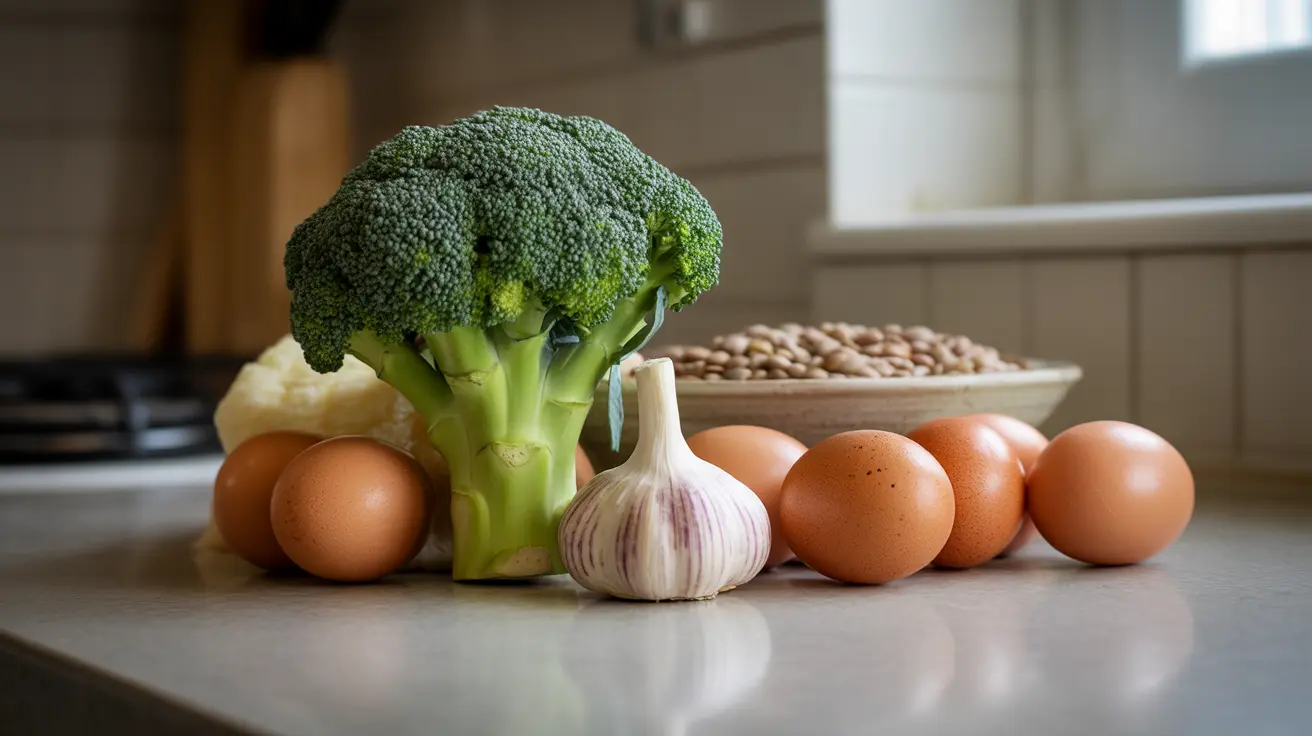
Sulfur is an essential mineral that plays a crucial role in maintaining optimal health, yet many people are unaware of which foods provide this vital nutrient. As the third most abundant mineral in the human body, sulfur supports numerous biological functions, from protein synthesis to detoxification processes. Understanding which foods high in sulfur to include in your diet can significantly impact your overall wellness and help you make informed nutritional choices.
Incorporating sulfur-rich foods into your daily meals doesn't have to be complicated. From common vegetables found in any grocery store to protein sources you likely already enjoy, there are numerous delicious options to boost your sulfur intake naturally. This comprehensive guide will explore the best food sources, health benefits, and practical considerations for adding these nutritious options to your meal plan.
Understanding Sulfur's Role in Human Health
Sulfur serves as a building block for several amino acids, including methionine and cysteine, which are essential for protein structure and function. This mineral is particularly important for maintaining healthy hair, skin, and nails, as it contributes to collagen and keratin production. Additionally, sulfur compounds support the body's natural detoxification processes by helping produce glutathione, one of the body's most powerful antioxidants.
The human body cannot produce sulfur on its own, making dietary intake the only way to maintain adequate levels. Most adults need approximately 850 milligrams of sulfur daily, though individual requirements may vary based on age, activity level, and overall health status. Fortunately, a well-balanced diet typically provides sufficient amounts through various food sources.
Top Animal-Based Foods High in Sulfur
Protein-Rich Options
Animal proteins are among the most concentrated sources of bioavailable sulfur. Fish such as salmon, tuna, and sardines provide substantial amounts while delivering heart-healthy omega-3 fatty acids. Poultry, including chicken and turkey, offers lean protein alongside significant sulfur content, making these foods excellent choices for maintaining muscle mass and supporting metabolic functions.
Eggs deserve special recognition as sulfur powerhouses, with most of the mineral concentrated in the whites. A single large egg provides approximately 180 milligrams of sulfur, making eggs one of the most efficient ways to boost daily intake. Red meat, including beef and lamb, also contributes meaningful amounts, though these should be consumed in moderation as part of a balanced diet.
Dairy Products
Milk, cheese, and yogurt provide moderate amounts of sulfur while offering additional benefits like calcium and probiotics. Hard cheeses tend to have higher concentrations than soft varieties, and Greek yogurt often contains more sulfur than regular yogurt due to its protein density. These dairy options can easily be incorporated into meals and snacks throughout the day.
Vegetable Sources Rich in Sulfur
Cruciferous Vegetables
The cruciferous vegetable family stands out as the premier plant-based source of sulfur compounds. Broccoli, cauliflower, Brussels sprouts, and cabbage contain glucosinolates, which release sulfur when broken down during digestion. These compounds not only provide the mineral itself but also offer potential anti-inflammatory and antioxidant benefits.
Kale and arugula are leafy greens that pack impressive sulfur content alongside vitamins A, C, and K. These versatile vegetables can be enjoyed raw in salads, sautéed as side dishes, or blended into smoothies for a nutritional boost. Regular consumption of cruciferous vegetables has been associated with various health benefits in scientific studies.
Allium Vegetables
Garlic, onions, leeks, and shallots belong to the allium family, renowned for their distinct flavors and impressive sulfur content. These vegetables contain organosulfur compounds that give them their characteristic smell and taste while providing substantial nutritional value. Garlic is particularly noteworthy, with a single clove containing approximately 12 milligrams of sulfur.
These aromatic vegetables are incredibly versatile, serving as flavor enhancers in countless dishes while contributing to daily sulfur intake. They can be used fresh, dried, or powdered, maintaining their nutritional benefits across different preparation methods.
Plant-Based Protein Sources
Legumes and Nuts
For those following vegetarian or vegan diets, legumes provide excellent sulfur content alongside plant-based protein. Lentils, chickpeas, black beans, and kidney beans offer substantial amounts while supporting digestive health through their fiber content. These foods are particularly valuable for maintaining adequate sulfur intake without relying on animal products.
Nuts and seeds also contribute meaningful amounts, with almonds, walnuts, and sunflower seeds being particularly good sources. These foods provide healthy fats and protein while helping meet daily sulfur requirements. They're perfect for snacking or adding to meals for extra nutritional value.
Maximizing Sulfur Absorption and Benefits
Preparation Methods
How you prepare sulfur-rich foods can impact their nutritional value. Light cooking methods such as steaming or sautéing vegetables help preserve sulfur compounds while making them more digestible. Overcooking, particularly boiling for extended periods, can reduce the available sulfur content in foods.
For allium vegetables, crushing or chopping garlic and onions activates enzymes that release more sulfur compounds. Allowing chopped garlic to sit for 10-15 minutes before cooking can maximize these beneficial effects.
Combining Foods Strategically
Pairing sulfur-rich foods with vitamin C sources can enhance absorption and utilization. For example, combining broccoli with bell peppers or adding lemon to garlic-based dishes may improve the body's ability to benefit from these nutrients. Creating balanced meals that include multiple sulfur sources can help ensure adequate daily intake.
Frequently Asked Questions
What are the best foods high in sulfur for a healthy diet?
The best sulfur-rich foods include cruciferous vegetables like broccoli and Brussels sprouts, allium vegetables such as garlic and onions, protein sources like eggs and fish, and legumes including lentils and chickpeas. These foods provide high-quality sulfur alongside other essential nutrients, making them excellent choices for maintaining optimal health.
What are the health benefits of eating sulfur-rich foods?
Consuming foods high in sulfur supports healthy hair, skin, and nails through collagen and keratin production. Sulfur also aids in detoxification processes, helps maintain joint health, supports immune function, and contributes to protein synthesis. Additionally, sulfur compounds in certain foods may offer antioxidant and anti-inflammatory benefits.
Can eating too many sulfur-rich foods cause side effects or allergies?
Most people can safely consume sulfur-rich foods as part of a balanced diet without experiencing adverse effects. However, some individuals may experience digestive discomfort, gas, or bloating when consuming large amounts of cruciferous vegetables or allium foods. True sulfur allergies are rare, but those with sensitivities should monitor their intake and consult healthcare providers if symptoms occur.
Which vegetables are highest in sulfur and good for daily consumption?
Broccoli, cauliflower, kale, Brussels sprouts, cabbage, garlic, and onions are among the highest sulfur-containing vegetables suitable for daily consumption. These can be easily incorporated into meals through steaming, roasting, sautéing, or eating raw in salads. Aim for 1-2 servings of cruciferous vegetables and include allium vegetables in cooking regularly.
How can I get enough sulfur if I follow a vegetarian or vegan diet?
Vegetarians and vegans can meet sulfur needs through legumes like lentils and beans, cruciferous vegetables, nuts and seeds, whole grains, and allium vegetables. Focus on protein-rich plant foods such as quinoa, hemp seeds, and various beans while including plenty of garlic, onions, and cruciferous vegetables in meals. A diverse plant-based diet typically provides adequate sulfur without supplementation.