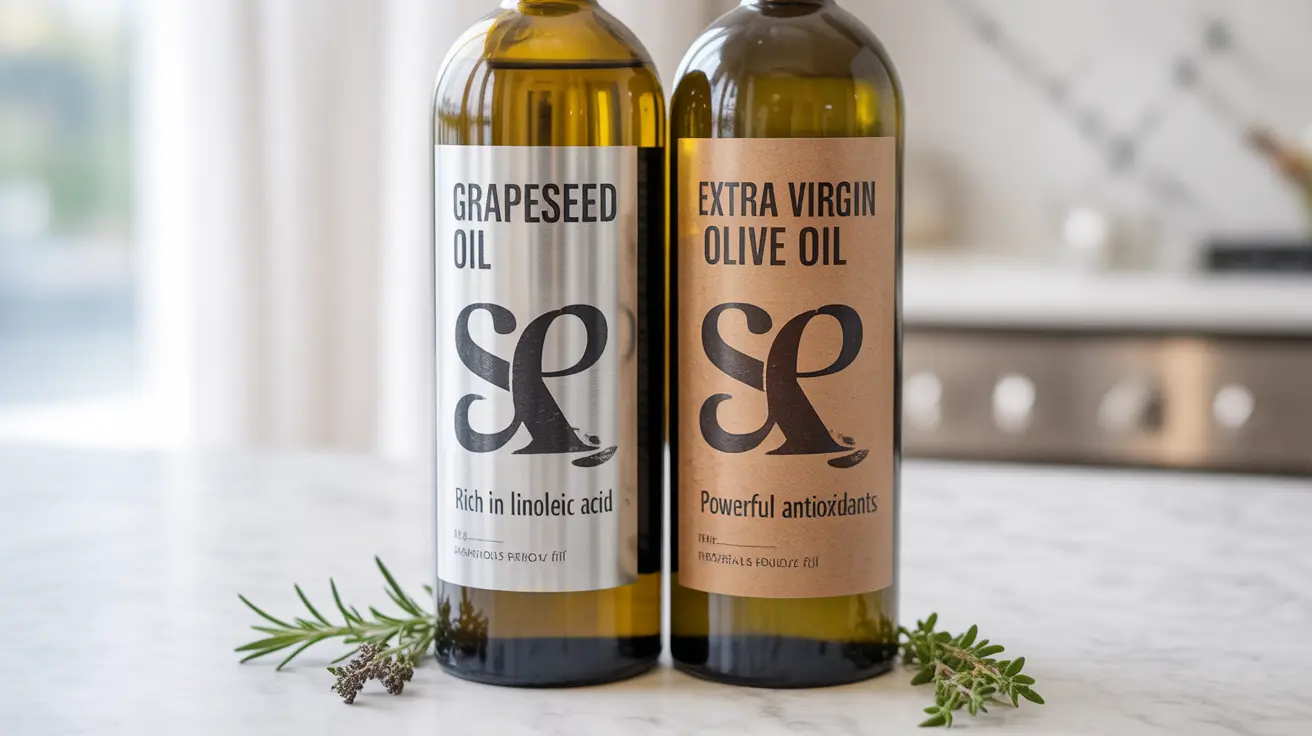
When it comes to choosing cooking oils, the debate between grapeseed oil vs olive oil continues to spark interest among health-conscious consumers. Both oils offer unique nutritional profiles and culinary applications, but understanding their differences is crucial for making informed dietary decisions.
While olive oil has long been celebrated for its Mediterranean diet credentials, grapeseed oil has emerged as a popular alternative, particularly among those seeking high-heat cooking options. Each oil brings distinct advantages and considerations that can significantly impact your health, cooking results, and overall wellness goals.
Nutritional Composition: Breaking Down the Basics
The fundamental difference between grapeseed oil and olive oil lies in their fatty acid profiles. Grapeseed oil contains approximately 70% polyunsaturated fats, primarily omega-6 linoleic acid, while olive oil consists mainly of monounsaturated fats, particularly oleic acid, making up about 70-80% of its composition.
Olive oil, especially extra virgin varieties, contains powerful antioxidants including vitamin E, polyphenols, and squalene. These compounds contribute to its anti-inflammatory properties and potential health benefits. Grapeseed oil also provides vitamin E, but in smaller quantities, and contains fewer overall antioxidants compared to high-quality olive oil.
Both oils are calorie-dense, providing approximately 120 calories per tablespoon, making portion control important regardless of which oil you choose for your cooking needs.
Heart Health Considerations
When evaluating cardiovascular benefits, olive oil holds a significant advantage due to extensive research supporting its heart-protective properties. The Mediterranean diet, rich in olive oil, has been associated with reduced risk of heart disease, stroke, and other cardiovascular conditions.
The monounsaturated fats in olive oil can help improve cholesterol profiles by raising HDL (good) cholesterol while potentially lowering LDL (bad) cholesterol levels. Additionally, the antioxidants in olive oil may help reduce inflammation and protect against oxidative stress, both key factors in heart disease development.
Grapeseed oil's high omega-6 content presents a more complex picture for heart health. While some omega-6 fatty acids are essential for bodily functions, excessive intake relative to omega-3 fatty acids may contribute to inflammatory processes when consumed in large quantities over time.
Cooking Performance and Heat Tolerance
Grapeseed oil excels in high-heat cooking applications due to its higher smoke point, typically around 420°F (216°C). This makes it suitable for frying, searing, and other high-temperature cooking methods without breaking down and producing harmful compounds.
Extra virgin olive oil has a lower smoke point, generally around 375-400°F (190-204°C), making it better suited for medium-heat cooking, sautéing, and finishing dishes. However, refined olive oil can withstand higher temperatures, though it lacks many of the beneficial compounds found in extra virgin varieties.
For everyday cooking versatility, grapeseed oil's neutral flavor profile allows it to complement various dishes without overwhelming other ingredients, while olive oil's distinctive taste can enhance Mediterranean and other cuisine styles.
Inflammation and Omega-6 Balance
The omega-6 fatty acid content in grapeseed oil requires careful consideration within the context of overall dietary balance. Modern Western diets often contain excessive omega-6 fatty acids relative to omega-3s, potentially promoting inflammatory pathways in the body.
Consuming large amounts of grapeseed oil regularly may contribute to this imbalance, particularly if omega-3 rich foods like fatty fish, walnuts, and flaxseeds are not adequately represented in the diet. This doesn't make grapeseed oil inherently harmful, but moderation and dietary balance become essential factors.
Olive oil's predominantly monounsaturated fat profile doesn't contribute significantly to omega-6 excess and may actually help reduce inflammation when used as part of a balanced diet rich in fruits, vegetables, and other anti-inflammatory foods.
Skin Health and Beauty Applications
Both oils offer potential benefits for skin health, though through different mechanisms. Grapeseed oil's light texture and high linoleic acid content make it suitable for topical application, potentially helping to strengthen the skin barrier and provide moisturizing effects without clogging pores.
Olive oil, particularly extra virgin varieties, contains squalene and other compounds that may support skin health when consumed as part of the diet. The antioxidants in olive oil can help protect against oxidative damage that contributes to skin aging and other dermatological concerns.
For direct skin application, grapeseed oil's lighter consistency often makes it more appealing for cosmetic use, while olive oil's heavier texture and stronger aroma may be less suitable for some individuals' skincare routines.
Making the Right Choice for Your Needs
The decision between grapeseed oil and olive oil ultimately depends on your specific cooking requirements, health goals, and dietary patterns. For high-heat cooking and neutral flavor preferences, grapeseed oil offers practical advantages, while olive oil provides superior antioxidant content and established health benefits for regular consumption.
Many nutritionists recommend using both oils strategically: grapeseed oil for high-temperature cooking when needed, and olive oil for daily use in salad dressings, low to medium-heat cooking, and as a finishing oil to maximize its nutritional benefits.
Frequently Asked Questions
What are the main health differences between grapeseed oil and olive oil?
The primary health differences center on their fatty acid profiles and antioxidant content. Olive oil contains predominantly heart-healthy monounsaturated fats and powerful antioxidants like polyphenols, while grapeseed oil is high in omega-6 polyunsaturated fats with fewer antioxidants. Olive oil has more extensive research supporting cardiovascular and anti-inflammatory benefits.
Which oil is better for heart health, grapeseed oil or olive oil?
Olive oil is generally considered superior for heart health due to its monounsaturated fat content and antioxidants, which have been extensively studied and shown to support cardiovascular wellness. The Mediterranean diet research strongly supports olive oil's role in reducing heart disease risk, while grapeseed oil's high omega-6 content may contribute to inflammation if consumed excessively.
Is grapeseed oil safe to use for high-heat cooking compared to olive oil?
Yes, grapeseed oil is safer for high-heat cooking due to its higher smoke point (around 420°F) compared to extra virgin olive oil (375-400°F). Grapeseed oil remains stable at higher temperatures without breaking down into potentially harmful compounds, making it better suited for frying, searing, and other high-temperature cooking methods.
How does the omega-6 content in grapeseed oil affect inflammation and overall health?
Grapeseed oil's high omega-6 content (about 70%) can potentially contribute to inflammation if consumed in large quantities, especially when the diet lacks sufficient omega-3 fatty acids. While omega-6 fats are essential, excessive intake relative to omega-3s may promote inflammatory pathways. Moderation and maintaining proper omega-6 to omega-3 balance are important considerations.
Can using olive oil or grapeseed oil help with skin health and aging?
Both oils can support skin health through different mechanisms. Olive oil's antioxidants, when consumed regularly, may help protect against oxidative damage that contributes to aging. Grapeseed oil, with its light texture and linoleic acid content, can be beneficial for topical skin application, helping to strengthen the skin barrier and provide moisture without clogging pores.