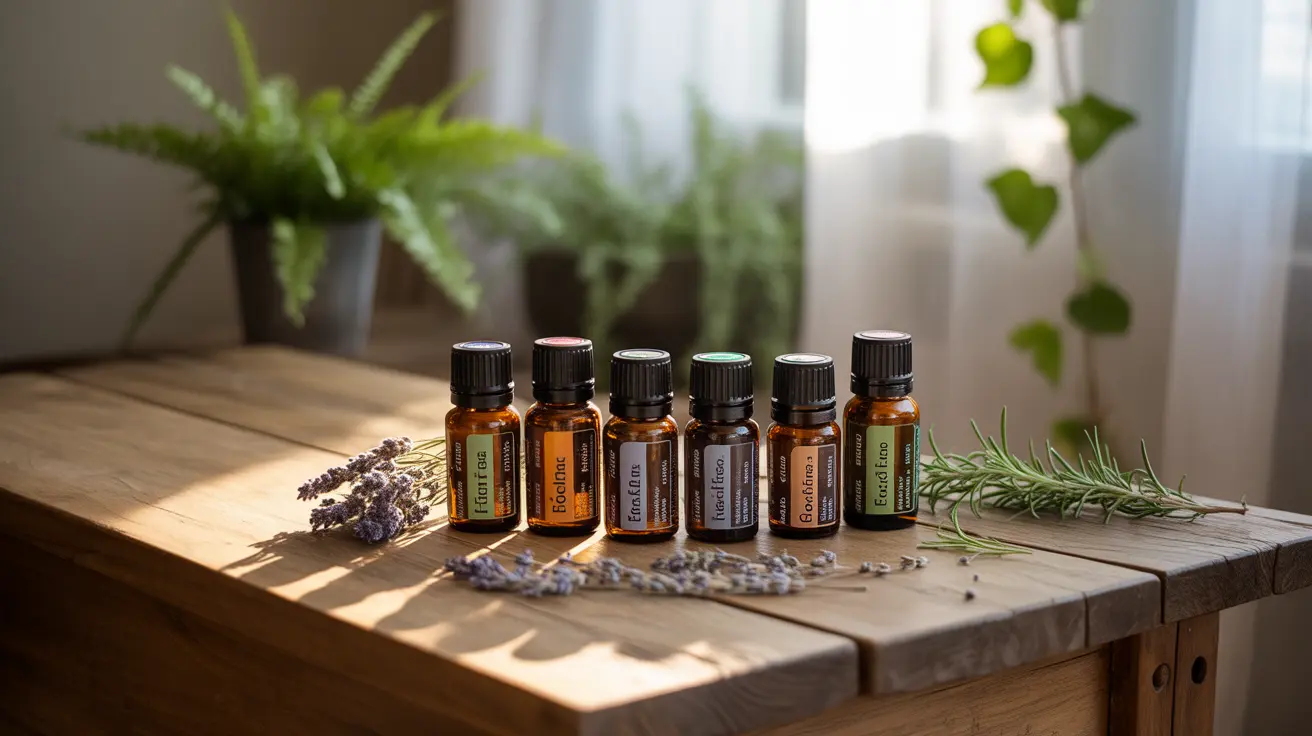
In an era of increasing antibiotic resistance and growing interest in natural health solutions, antimicrobial essential oils have emerged as powerful allies in the fight against harmful bacteria and fungi. These concentrated plant extracts offer potent therapeutic properties that have been recognized for centuries in traditional medicine and are now backed by modern scientific research.
Understanding how to safely and effectively use antimicrobial essential oils can provide valuable support for various health concerns, from minor skin infections to respiratory issues. However, proper knowledge of their mechanisms, applications, and safety considerations is essential for optimal results and avoiding potential risks.
Understanding How Antimicrobial Essential Oils Work
Antimicrobial essential oils contain complex chemical compounds that actively combat harmful microorganisms through multiple mechanisms. These bioactive molecules, including terpenes, phenols, and aldehydes, work by disrupting bacterial cell walls, interfering with cellular processes, and preventing microbial reproduction.
The effectiveness of these oils stems from their ability to penetrate microbial membranes and disrupt essential functions. Unlike conventional antibiotics that typically target specific bacterial processes, essential oils often employ multiple pathways simultaneously, making it more difficult for microorganisms to develop resistance.
Different essential oils contain varying concentrations of antimicrobial compounds, which explains why some oils are more effective against certain types of bacteria or fungi than others. This diversity allows for targeted approaches when addressing specific microbial concerns.
Most Effective Antimicrobial Essential Oils
Tea Tree Oil
Tea tree oil stands as one of the most extensively researched antimicrobial essential oils, demonstrating broad-spectrum activity against bacteria, fungi, and viruses. Its primary active compound, terpinen-4-ol, provides potent antiseptic properties while remaining relatively gentle on healthy tissue when properly diluted.
Clinical studies have shown tea tree oil's effectiveness against various skin conditions, including acne, fungal infections, and minor wounds. Its anti-inflammatory properties complement its antimicrobial action, making it particularly valuable for treating infected or inflamed skin conditions.
Oregano Oil
Oregano oil contains high concentrations of carvacrol and thymol, powerful phenolic compounds that exhibit strong antibacterial and antifungal properties. Research has demonstrated its effectiveness against numerous pathogenic organisms, including some antibiotic-resistant strains.
This potent oil requires careful dilution due to its strength and potential for skin irritation. When used appropriately, oregano oil can support respiratory health, digestive wellness, and topical antimicrobial applications.
Thyme Oil
Thyme essential oil, rich in thymol and carvacrol, offers exceptional antimicrobial properties with particular strength against bacterial infections. Studies have shown its effectiveness against various gram-positive and gram-negative bacteria, making it a versatile option for natural antimicrobial support.
Eucalyptus Oil
Eucalyptus oil contains eucalyptol (1,8-cineole) as its primary active compound, providing notable antibacterial and antifungal properties. It's particularly beneficial for respiratory applications and has shown effectiveness against several common pathogens.
Safety Guidelines and Proper Dilution
While antimicrobial essential oils offer significant therapeutic potential, proper safety measures are crucial for preventing adverse reactions and ensuring effective treatment. Essential oils are highly concentrated substances that can cause skin irritation, allergic reactions, or other complications when used incorrectly.
Dilution is absolutely essential for topical applications. A general guideline suggests diluting essential oils to 1-3% concentration for adults, which translates to approximately 6-18 drops of essential oil per ounce of carrier oil. Children, elderly individuals, and those with sensitive skin require even greater dilution ratios.
Always perform a patch test before applying any essential oil preparation to larger areas of skin. Apply a small amount of the diluted oil to the inside of your wrist or elbow and wait 24 hours to observe any reactions.
Application Methods and Best Practices
Topical Applications
For skin infections or localized antimicrobial treatment, properly diluted essential oils can be applied directly to affected areas. Common carrier oils include coconut oil, jojoba oil, and sweet almond oil, each offering their own complementary benefits.
Clean the affected area thoroughly before application and use clean hands or sterile applicators to prevent further contamination. Apply the diluted oil mixture sparingly and allow it to absorb completely.
Aromatherapy and Inhalation
Diffusing antimicrobial essential oils can help purify air and support respiratory health. Use a quality essential oil diffuser and follow manufacturer guidelines for oil quantities. This method is particularly beneficial during cold and flu seasons or in environments where air purification is desired.
Limitations and Considerations
While antimicrobial essential oils offer valuable therapeutic benefits, they have limitations that users should understand. These natural remedies work best as complementary treatments rather than replacements for conventional medical care, especially for serious infections.
Essential oils may interact with certain medications or medical conditions. Individuals with allergies, asthma, epilepsy, or other health conditions should consult healthcare professionals before using antimicrobial essential oils therapeutically.
Quality matters significantly when selecting essential oils. Choose products from reputable suppliers that provide third-party testing results and avoid synthetic fragrance oils marketed as essential oils.
Frequently Asked Questions
What are the most effective essential oils with antimicrobial properties for treating infections?
The most effective antimicrobial essential oils include tea tree oil, oregano oil, thyme oil, eucalyptus oil, lavender oil, and peppermint oil. Tea tree oil is particularly well-researched for skin infections, while oregano oil shows strong activity against various bacteria and fungi. Thyme oil demonstrates broad-spectrum antimicrobial properties, and eucalyptus oil is especially beneficial for respiratory concerns. The choice depends on the specific type of infection and individual tolerance.
How do antimicrobial essential oils like tea tree and oregano work against bacteria and fungi?
Antimicrobial essential oils work through multiple mechanisms to combat harmful microorganisms. They disrupt bacterial cell walls and membranes, interfere with cellular metabolism and reproduction, and damage essential proteins and enzymes within microbial cells. Tea tree oil's terpinen-4-ol and oregano oil's carvacrol and thymol are key compounds that penetrate microbial membranes and cause cellular dysfunction. This multi-target approach makes it difficult for bacteria and fungi to develop resistance compared to single-mechanism antibiotics.
Can essential oils be used safely to treat skin infections or should they always be diluted?
Essential oils should always be diluted before topical application to prevent skin irritation, burns, or allergic reactions. Use a 1-3% dilution ratio for adults (6-18 drops per ounce of carrier oil) and even lower concentrations for children or sensitive individuals. Never apply undiluted essential oils directly to skin except in very specific circumstances under professional guidance. Always perform a patch test before widespread use and discontinue if irritation occurs.
Are antimicrobial essential oils effective against antibiotic-resistant bacteria?
Research suggests that some antimicrobial essential oils may be effective against certain antibiotic-resistant bacteria, including MRSA (methicillin-resistant Staphylococcus aureus) and other drug-resistant strains. Studies have shown promising results with tea tree oil, oregano oil, and thyme oil against various resistant organisms. However, essential oils should not be considered a primary treatment for serious antibiotic-resistant infections and should complement, not replace, appropriate medical care prescribed by healthcare professionals.
What precautions should I take when using essential oils for antimicrobial purposes?
Key precautions include always diluting essential oils before topical use, performing patch tests to check for allergic reactions, avoiding contact with eyes and mucous membranes, and keeping oils away from children and pets. Pregnant and breastfeeding women should consult healthcare providers before use. Never ingest essential oils without professional guidance, store oils in dark, cool places away from heat and sunlight, and purchase only high-quality, pure essential oils from reputable sources. Seek medical attention for serious infections rather than relying solely on essential oils.