Transitioning to a plant-based diet is a significant dietary change that can have profound effects on your digestive system and overall health. Understanding the timeline and what to expect during this adjustment period is crucial for successfully adapting to a new way of eating.
In this comprehensive guide, we'll explore how your gut microbiome adapts to a plant-based diet, the timeline for these changes, and the various health benefits you can expect along the way.
The Gut Adaptation Timeline
The process of gut adaptation to a plant-based diet typically occurs in several phases:
Initial Adjustment Period (Days 1-7)
During the first week, you may experience increased bloating and gas as your digestive system adjusts to the higher fiber intake. This is completely normal and temporary as your gut bacteria begin to shift their composition to handle more plant-based foods.
Early Adaptation Phase (Weeks 2-4)
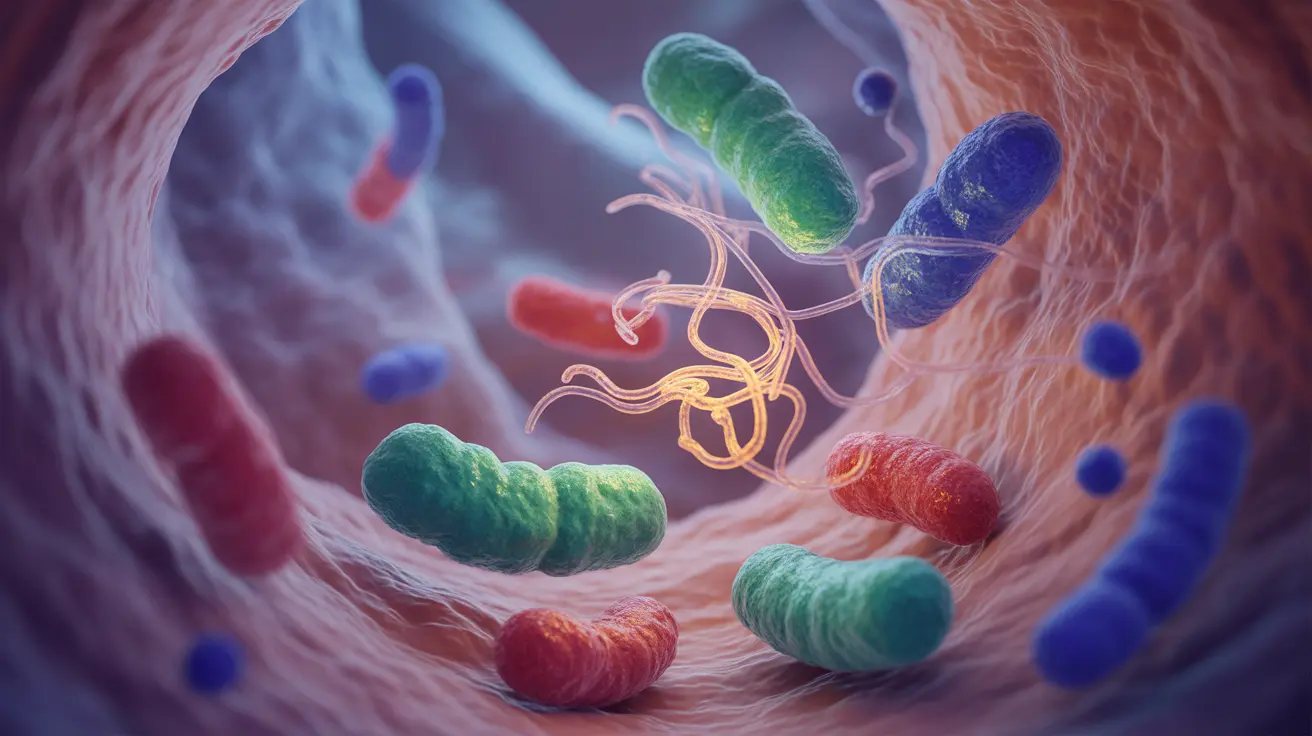
By the second week, many people notice their digestive symptoms starting to improve. The gut microbiome begins to diversify, and beneficial bacteria populations start to increase. Gas and bloating typically decrease as the body becomes more efficient at processing plant fiber.
Full Adaptation (Weeks 4-16)
Research shows that significant changes in gut microbiota composition can be observed within 4-16 weeks of following a plant-based diet. During this period, the gut microbiome continues to optimize its ability to break down plant materials and extract nutrients effectively.
Understanding the Microbiome Changes
When transitioning to a plant-based diet, several key changes occur in your gut microbiome:
- Increased diversity of beneficial bacteria
- Enhanced production of short-chain fatty acids
- Reduced levels of inflammation-promoting bacteria
- Improved intestinal barrier function
Health Benefits Beyond Gut Health
As your gut adapts to a plant-based diet, you may experience various health improvements:
Weight Management
Many people notice natural weight regulation due to increased fiber intake and reduced caloric density of plant-based foods. The improved gut microbiome composition also plays a role in maintaining healthy body weight.
Blood Sugar Control
A plant-based diet rich in fiber helps regulate blood sugar levels by slowing down glucose absorption and improving insulin sensitivity. The beneficial gut bacteria that thrive on plant-based foods contribute to better glucose metabolism.
Inflammatory Response
The shift in gut bacteria populations typically leads to reduced inflammation throughout the body, which can improve various aspects of health and well-being.
Tips for a Smooth Transition
To help your gut adjust more easily to a plant-based diet:
- Increase fiber intake gradually
- Stay well-hydrated
- Include fermented foods in your diet
- Consider taking a vitamin B12 supplement
- Listen to your body and adjust portions as needed
Frequently Asked Questions
How long does it take for the gut to adjust to a plant-based diet, and what changes can I expect?
The initial adjustment period typically takes 1-2 weeks, with full adaptation occurring within 4-16 weeks. You may experience temporary bloating and gas initially, followed by improved digestion, regular bowel movements, and enhanced energy levels.
What are the health benefits of a vegan diet on gut microbiome and overall body weight?
A vegan diet typically increases beneficial gut bacteria diversity, improves fiber metabolism, and can lead to healthy weight management. The microbiome changes often result in better nutrient absorption and reduced inflammation.
Is it necessary to fully adopt a vegan diet to see improvements in gut health, or can reducing meat intake help?
While a full vegan diet offers maximum benefits, even reducing meat consumption and increasing plant-based foods can positively impact gut health. Any increase in dietary fiber and plant diversity can improve gut microbiome composition.
How does a high-fiber plant-based diet impact insulin sensitivity and blood sugar management?
A high-fiber plant-based diet typically improves insulin sensitivity and blood sugar control by slowing glucose absorption, supporting beneficial gut bacteria, and reducing inflammation that can interfere with insulin function.
Are there any specific gut bacteria that increase or decrease when transitioning to a plant-based diet like veganism?
Yes, plant-based diets typically increase beneficial bacteria like Bacteroidetes and Firmicutes that help break down fiber, while reducing potentially harmful bacteria associated with animal product consumption. These changes contribute to improved gut health and overall well-being.