If you're experiencing persistent toe deformities that cause pain and discomfort, hammertoe surgery might be a necessary treatment option. This comprehensive guide explores everything you need to know about hammertoe surgical procedures, from recognizing early warning signs to understanding the recovery process.
Understanding when surgery is needed and what to expect can help you make informed decisions about your foot health. Let's explore the various aspects of hammertoe surgery and what you can expect before, during, and after the procedure.
Signs and Symptoms Indicating the Need for Surgery
Before considering hammertoe surgery, it's important to recognize the signs that indicate surgical intervention might be necessary:
- Persistent toe deformity that doesn't respond to conservative treatments
- Chronic pain when walking or wearing shoes
- Difficulty finding comfortable footwear
- Development of corns or calluses on the affected toe
- Limited toe flexibility or complete rigidity
- Inflammation and redness around the toe joint
Types of Hammertoe Surgical Procedures
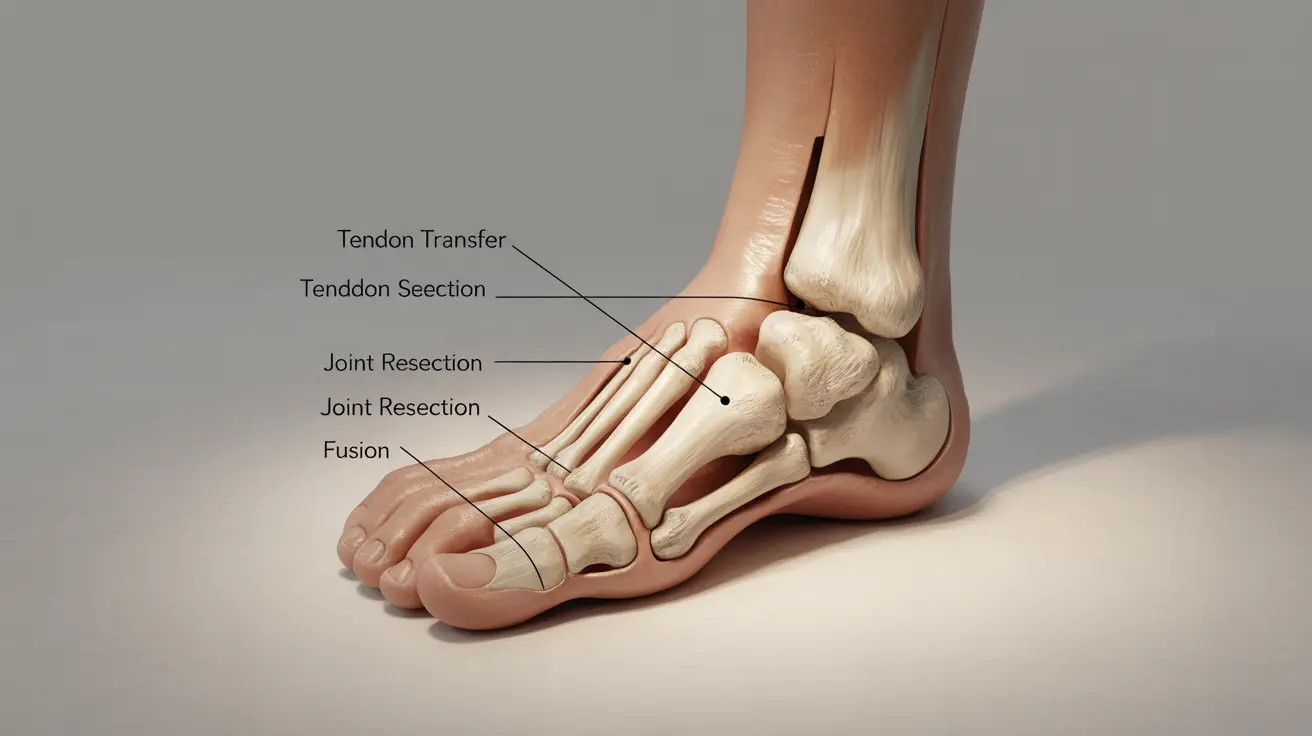
Tendon Transfer
This procedure involves repositioning tendons to restore balance and straighten the toe. It's typically recommended for flexible hammertoes that haven't become rigid.
Joint Resection (Arthroplasty)
During this procedure, the surgeon removes a small portion of the joint to allow the toe to straighten. This option is commonly used for semi-flexible hammertoes.
Fusion (Arthrodesis)
This more extensive procedure involves fusing the joint permanently. It's usually reserved for severe cases where the toe has become completely rigid.
Recovery Timeline and Expectations
Recovery from hammertoe surgery typically progresses through several stages:
- First 24-48 hours: Rest, elevation, and ice therapy
- First 2 weeks: Limited weight-bearing with protective footwear
- Weeks 3-6: Gradual return to normal activities
- 2-3 months: Return to regular footwear
- 6 months: Full recovery and activity resumption
Post-Surgery Care and Management
Proper post-operative care is crucial for optimal healing:
- Keep the surgical site clean and dry
- Take prescribed pain medications as directed
- Attend all follow-up appointments
- Perform recommended exercises and stretches
- Monitor for signs of infection or complications
Prevention and Risk Reduction
To prevent hammertoe recurrence or reduce the need for surgery:
- Wear properly fitted shoes with adequate toe room
- Choose shoes with low heels (under 2 inches)
- Exercise your toes regularly
- Address underlying conditions like arthritis
- Use appropriate orthotics when recommended
Frequently Asked Questions
- What are the early signs and symptoms that you might need hammertoe surgery?
Early signs include persistent toe deformity, pain that doesn't improve with conservative treatment, difficulty wearing shoes, and the development of corns or calluses. If these symptoms persist despite non-surgical interventions, surgery may be necessary.
- How long does it take to recover after hammertoe surgery, and when can I walk or wear regular shoes again?
Initial recovery takes 2-6 weeks, during which you'll need to wear specialized footwear. Most patients can return to regular shoes around 2-3 months post-surgery, though complete recovery may take up to 6 months. Walking typically begins gradually after the first two weeks with protective footwear.
- What types of hammertoe surgery are available, and how do procedures like tendon transfer, joint resection, and fusion differ?
The main types include tendon transfer (repositioning tendons for flexible hammertoes), joint resection (removing part of the joint), and fusion (permanently joining the joint). The choice depends on the severity and flexibility of your hammertoe.
- What should I expect in the weeks following hammertoe surgery, including pain management, swelling, and activity restrictions?
Expect initial pain and swelling managed with medication, elevation, and ice therapy. Activity restrictions include limited weight-bearing for 2-3 weeks, followed by gradual increases in activity. Swelling may persist for several months.
- What can I do to prevent hammertoe or reduce the risk of needing surgery, especially if I have arthritis or wear tight shoes?
Prevention strategies include wearing properly fitted shoes with adequate toe room, choosing low-heeled footwear, performing toe exercises, managing arthritis symptoms, and using appropriate orthotics. Regular foot care and early intervention for toe problems can help avoid the need for surgery.