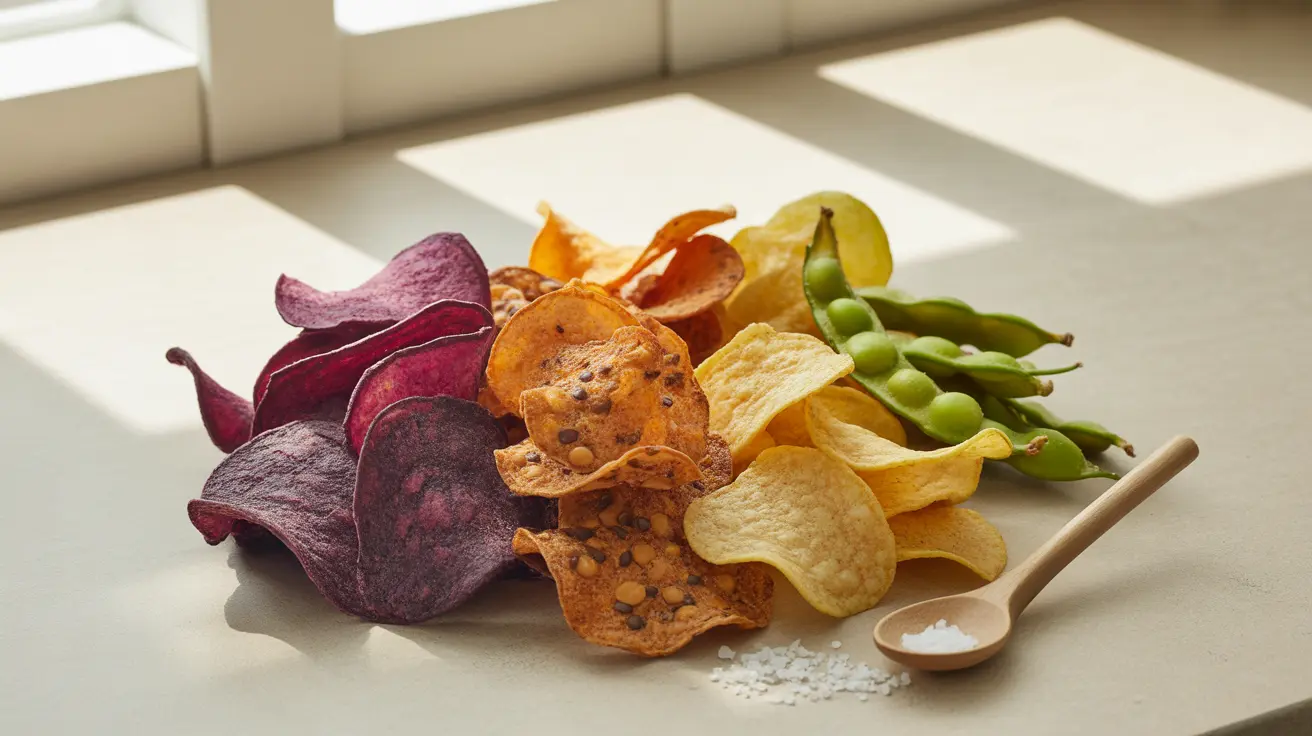
Looking for healthier alternatives to traditional potato chips? As snack cravings hit, it's important to know which chips offer better nutritional value without sacrificing taste. This comprehensive guide will help you make informed choices about the healthiest chips available in today's market.
Understanding what makes a chip "healthy" involves looking at factors like ingredients, processing methods, and nutritional content. Let's explore the best options for satisfying your crunch cravings while maintaining a balanced diet.
Nutritional Factors to Consider When Choosing Healthy Chips
When selecting healthier chips, several key nutritional elements deserve attention:
- Fiber content
- Protein levels
- Sodium amount
- Type of fats used
- Artificial additives presence
- Calorie density
Understanding Fiber and Protein Content
The healthiest chips often contain significant fiber and protein, which help maintain satiety and support better digestion. Bean-based and legume chips typically lead in these categories, offering 3-4 grams of fiber and 4-6 grams of protein per serving.
Monitoring Sodium and Fat Levels
Look for chips with less than 140mg of sodium per serving and those made with heart-healthy oils like olive or avocado oil. Avoid chips containing palm oil or hydrogenated oils, which can be high in saturated fats.
Top Healthy Chip Alternatives
Bean and Legume-Based Chips
Bean and chickpea chips offer superior nutritional benefits compared to traditional potato chips. These alternatives typically provide:
- Higher protein content
- More fiber
- Complex carbohydrates
- Essential minerals
Whole Grain Chips
Whole grain chips made from ingredients like quinoa, brown rice, or corn offer better nutritional value than refined grain options. They provide important nutrients and tend to have a lower glycemic index.
Vegetable-Based Chips
Chips made from vegetables like kale, beets, or sweet potatoes can be excellent sources of vitamins and minerals. Look for those that are baked rather than fried for optimal health benefits.
Baked vs. Fried: Understanding the Difference
Baked chips typically contain 30-40% less fat than their fried counterparts. The baking process preserves nutrients while reducing calorie content, making them a smarter choice for health-conscious snackers.
How to Choose Better Chip Options
When shopping for healthier chips, follow these guidelines:
- Read ingredient labels carefully
- Check serving sizes
- Compare nutrition facts
- Look for minimal processing
- Avoid artificial colors and flavors
- Choose options with recognizable ingredients
Frequently Asked Questions
- What are the healthiest types of chips based on nutritional content like sodium, fat, and fiber?
The healthiest chips are typically those made from beans, legumes, or whole grains. Look for options with at least 3g of fiber per serving, less than 140mg of sodium, and healthy fats from sources like olive or avocado oil.
- Which chip brands offer the best high-protein or high-fiber options for a balanced diet?
Bean-based chips and legume puffs typically offer the highest protein and fiber content. Look for brands that use chickpeas, lentils, or other legumes as their primary ingredients.
- How can I choose chips that have lower saturated fat and fewer artificial additives?
Select baked varieties over fried options, and carefully read ingredient labels. Choose chips made with natural ingredients and healthy oils. Avoid products containing artificial preservatives, colors, or flavors.
- Are bean, chickpea, or whole grain chips better for health compared to traditional potato chips?
Yes, these alternatives typically offer more protein, fiber, and nutrients while containing less saturated fat than traditional potato chips. They also tend to have a lower glycemic index and provide more sustained energy.
- What is the difference between baked chips and regular fried chips in terms of health benefits?
Baked chips generally contain significantly less fat and fewer calories than fried versions. They retain more nutrients during processing and typically don't contain added oils from the frying process, making them a healthier choice overall.