The concept of making cheese from human breast milk has sparked considerable discussion and debate in both culinary and scientific circles. While traditional cheese comes from various animal sources like cows, goats, and sheep, the possibility of creating cheese from human breast milk raises important questions about safety, ethics, and cultural acceptance.
This comprehensive guide explores the scientific, health, and societal aspects of human breast milk cheese, addressing common concerns and misconceptions while examining the various factors that make this topic both fascinating and controversial.
The Science Behind Human Breast Milk Cheese
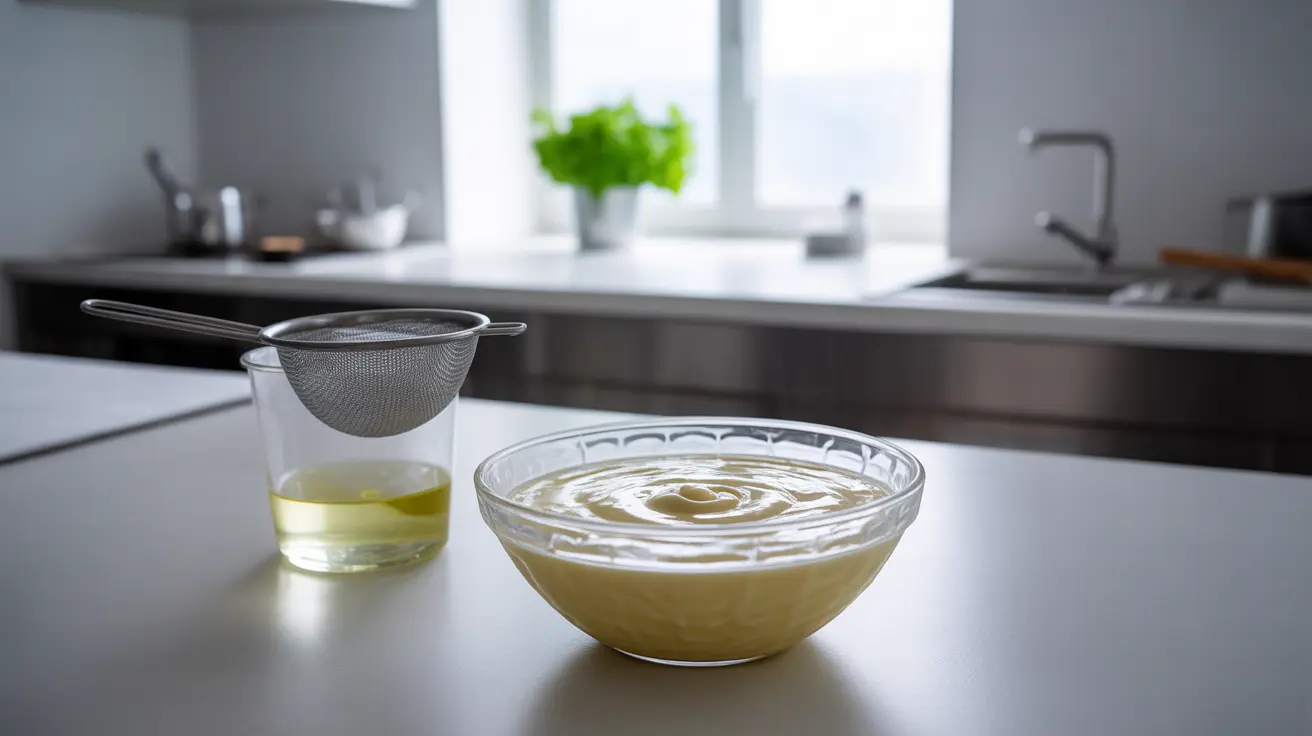
Human breast milk, like other mammalian milk, contains proteins, fats, and other components that technically make cheese production possible. The process involves similar steps to traditional cheesemaking, including:
- Collecting and pasteurizing the milk
- Adding bacterial cultures and rennet
- Separating curds from whey
- Aging and processing the curds
However, the composition of human breast milk differs significantly from animal milk, affecting the final product's texture, taste, and nutritional content.
Safety Considerations and Health Risks
The safety of consuming human breast milk cheese involves several critical considerations that potential makers or consumers should understand:
Bacterial Contamination Risk
Unlike commercially produced animal milk, human breast milk isn't regulated or standardized for cheese production. This raises concerns about bacterial contamination and proper storage techniques.
Disease Transmission
Human breast milk can potentially transmit various diseases and infections, including:
- HIV
- Hepatitis
- Bacterial infections
- Viral infections
Chemical Exposure
Environmental toxins, medications, and other substances in the donor's system could potentially affect the safety of the final product.
Legal and Ethical Considerations
The legal status of human breast milk cheese exists in a gray area in many jurisdictions. While there might not be explicit laws prohibiting its production for personal use, commercial sale faces significant regulatory hurdles.
Ethical Implications
The ethics of human breast milk cheese production raise several questions:
- Consent and compensation for milk donors
- Proper screening and testing protocols
- Cultural and social implications
- Impact on traditional dairy industries
Cultural Perspectives and Social Acceptance
The concept of human breast milk cheese often encounters significant cultural resistance. This reaction typically stems from:
- Cultural taboos around human bodily fluids
- Traditional views on appropriate food sources
- Psychological barriers and disgust responses
- Social norms regarding breast milk consumption
Frequently Asked Questions
Is it safe to make or eat cheese made from human breast milk?
While technically possible to make cheese from human breast milk, safety cannot be guaranteed without proper screening, pasteurization, and sterile processing conditions. Unlike commercial dairy operations, human breast milk production lacks standardized safety protocols and quality control measures.
What are the health risks associated with consuming human breast milk cheese?
The main health risks include potential transmission of infectious diseases, exposure to environmental toxins or medications, and bacterial contamination due to improper handling or storage. Without proper screening and pasteurization, these risks can be significant.
How is human cheese produced, and is it considered vegan or ethical?
Human cheese follows similar production methods to traditional cheese but uses human breast milk instead of animal milk. While technically not vegan (as it's an animal product), some argue it's more ethical than traditional dairy since it involves consensual donation. However, ethical debates continue regarding commercialization and consent.
Are there legal restrictions on using human breast milk for making cheese?
While personal production might not be explicitly illegal in many places, commercial production and sale face significant regulatory barriers. Food safety laws and regulations typically don't address human breast milk products, creating legal uncertainty.
Why do most people find the idea of human breast milk cheese unappealing?
Cultural taboos, psychological barriers, and ingrained social norms contribute to widespread discomfort with human breast milk cheese. Many cultures have deep-seated aversions to consuming human bodily fluids, and the idea challenges conventional understanding of appropriate food sources.