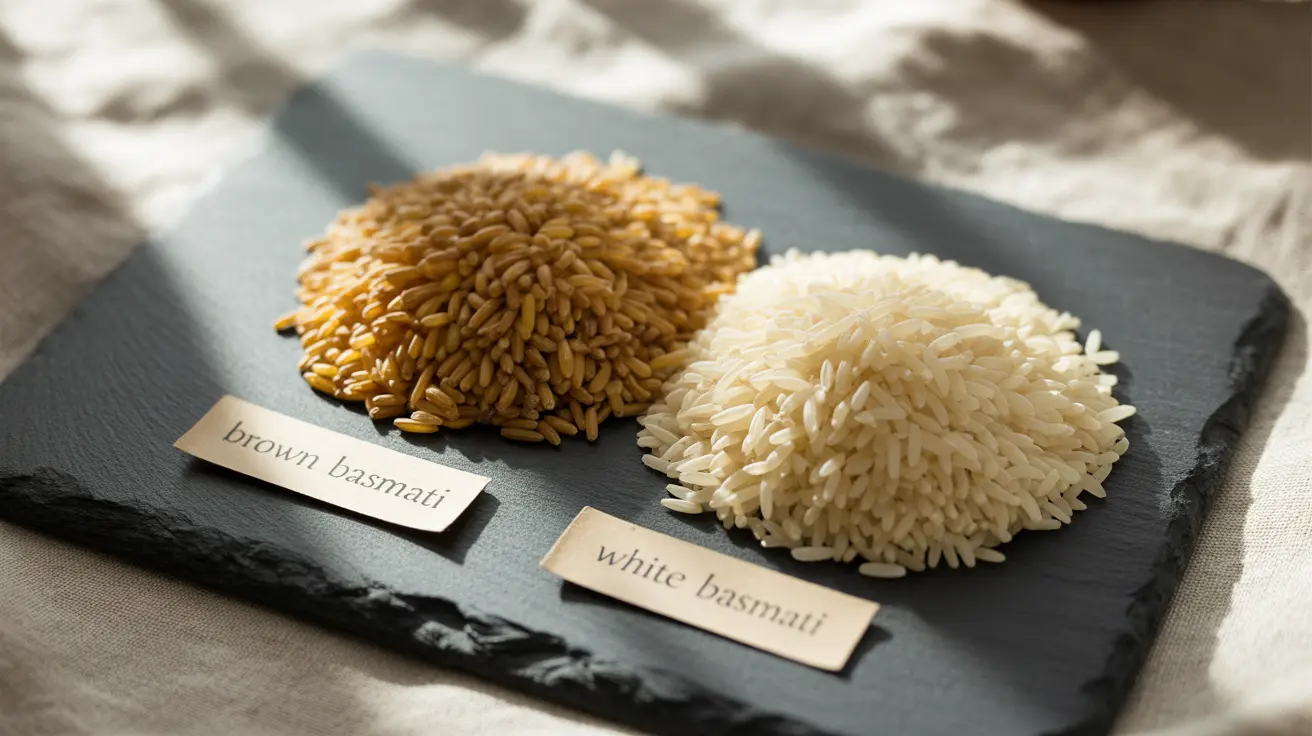
Basmati rice has earned a reputation as one of the premium varieties of rice worldwide, prized for its distinctive aroma, fluffy texture, and delicate flavor. But beyond its culinary appeal, many health-conscious individuals wonder whether basmati rice offers nutritional advantages over other rice varieties and fits into a balanced diet.
Understanding the health implications of basmati rice becomes increasingly important as more people seek to make informed dietary choices. This aromatic grain, originating from the Indian subcontinent, presents unique characteristics that may influence blood sugar levels, weight management, and overall nutritional intake.
Nutritional Profile of Basmati Rice
Basmati rice contains essential nutrients that contribute to daily dietary requirements. A standard serving of cooked white basmati rice provides approximately 200 calories, primarily from carbohydrates, with modest amounts of protein and minimal fat content. The grain also supplies small quantities of B vitamins, particularly niacin and thiamine, along with trace minerals such as manganese and selenium.
The nutritional composition varies significantly between white and brown basmati rice varieties. White basmati undergoes processing that removes the bran and germ layers, reducing fiber content and certain micronutrients. Conversely, brown basmati retains these outer layers, preserving higher levels of fiber, magnesium, phosphorus, and antioxidants.
Health Benefits of Brown Basmati Rice
Brown basmati rice offers superior nutritional advantages due to its intact bran layer. This whole grain version contains approximately three times more fiber than its white counterpart, supporting digestive health and promoting feelings of satiety. The increased fiber content helps regulate bowel movements and may contribute to maintaining healthy cholesterol levels.
The antioxidant compounds present in brown basmati rice, including phenolic acids and flavonoids, provide cellular protection against oxidative stress. These compounds may help reduce inflammation in the body and support overall immune function. Additionally, brown basmati rice contains higher levels of essential minerals like magnesium, which plays crucial roles in bone health, muscle function, and energy metabolism.
Blood Sugar Impact and Diabetes Considerations
Basmati rice demonstrates a lower glycemic index compared to many other rice varieties, making it a more favorable option for blood sugar management. The glycemic index of white basmati rice typically ranges from 50-58, while brown basmati rice scores even lower at approximately 45-50. This moderate glycemic response means basmati rice causes a more gradual rise in blood glucose levels after consumption.
For individuals with diabetes, portion control remains essential when incorporating basmati rice into meals. The grain's relatively lower glycemic impact, combined with its satisfying nature, can help manage post-meal blood sugar spikes when consumed as part of a balanced meal containing protein, healthy fats, and vegetables.
The amylose content in basmati rice contributes to its favorable glycemic properties. Amylose is a type of starch that digests more slowly than amylopectin, resulting in steadier blood sugar levels. This characteristic makes basmati rice particularly suitable for people seeking better glucose control.
White vs. Brown Basmati Rice: Nutritional Differences
The processing differences between white and brown basmati rice create significant nutritional variations. Brown basmati rice retains its bran and germ layers, providing approximately 2 grams of fiber per cooked cup compared to less than 1 gram in white basmati rice. This fiber difference impacts satiety, digestive health, and blood sugar response.
Mineral content also varies substantially between the two varieties. Brown basmati rice contains higher levels of magnesium, phosphorus, and manganese, nutrients essential for bone health, energy production, and antioxidant enzyme function. The B-vitamin content, particularly folate and niacin, remains higher in brown varieties due to minimal processing.
However, white basmati rice offers certain practical advantages, including shorter cooking times, longer shelf life, and milder flavor that appeals to diverse palates. Some individuals with digestive sensitivities may also tolerate white basmati rice better due to its lower fiber content.
Weight Management and Heart Health Benefits
Basmati rice can support weight management goals when consumed mindfully as part of a balanced diet. The grain's natural aromatic compounds and satisfying texture may help reduce overall food intake by promoting meal satisfaction. Brown basmati rice, in particular, provides sustained energy release due to its fiber content, potentially reducing between-meal cravings.
The lower glycemic index of basmati rice compared to other rice varieties may support weight management by promoting more stable blood sugar levels and reducing insulin spikes that can trigger fat storage. Additionally, the moderate calorie density allows for reasonable portion sizes without excessive caloric intake.
Regarding cardiovascular health, brown basmati rice offers several protective compounds. The fiber content helps maintain healthy cholesterol levels by binding to cholesterol molecules in the digestive system. The magnesium content supports proper heart rhythm and blood vessel function, while the antioxidants may help protect against arterial damage.
Preparation and Consumption Tips
Proper preparation methods can maximize the health benefits of basmati rice. Rinsing the rice before cooking removes excess surface starch, resulting in fluffier grains and potentially reducing the glycemic impact. Using the absorption method with measured water quantities preserves water-soluble vitamins better than excess water methods.
Combining basmati rice with protein sources, healthy fats, and vegetables creates balanced meals that moderate blood sugar response and enhance nutrient absorption. Consider pairing basmati rice with legumes, lean meats, or nuts to create complete protein profiles and improve overall meal satisfaction.
Frequently Asked Questions
Is basmati rice healthy compared to other types of rice?
Basmati rice offers several health advantages over many other rice varieties. It has a lower glycemic index than jasmine rice and most short-grain varieties, causing less dramatic blood sugar spikes. Basmati rice also contains slightly higher levels of protein and has a naturally aromatic profile without artificial additives. While brown rice varieties generally provide more nutrients than white rice regardless of type, basmati rice stands out among refined rice options for its moderate glycemic impact and satisfying qualities.
What are the health benefits of eating brown basmati rice?
Brown basmati rice provides numerous health benefits including higher fiber content that supports digestive health and helps maintain stable blood sugar levels. It contains more essential minerals like magnesium, phosphorus, and manganese compared to white rice. The antioxidants present in the bran layer may help reduce inflammation and support immune function. Brown basmati rice also promotes satiety, potentially supporting weight management goals, and provides sustained energy release throughout the day.
How does basmati rice affect blood sugar and is it safe for people with diabetes?
Basmati rice has a moderate glycemic index of 50-58 for white varieties and 45-50 for brown varieties, making it a better choice for blood sugar management than many other rice types. People with diabetes can safely include basmati rice in their diet when consumed in appropriate portions and combined with protein, healthy fats, and vegetables. The key is portion control and meal balance. Brown basmati rice is particularly beneficial due to its lower glycemic index and higher fiber content, which helps slow glucose absorption.
What is the difference between white basmati rice and brown basmati rice in terms of nutrition?
Brown basmati rice contains significantly more fiber (about 2 grams per cup versus less than 1 gram in white), higher levels of B vitamins, and more minerals including magnesium, phosphorus, and manganese. Brown varieties also provide antioxidants from the retained bran layer. White basmati rice is more processed, with the bran and germ removed, resulting in lower nutrient density but faster cooking time and milder flavor. Both varieties have similar calorie content, but brown basmati rice offers superior nutritional value and better blood sugar control.
Can basmati rice help with weight management and heart health?
Basmati rice can support weight management when consumed as part of a balanced diet due to its moderate glycemic index and satisfying nature, which may help control appetite and reduce overeating. Brown basmati rice is particularly beneficial for weight management due to its fiber content promoting satiety. For heart health, brown basmati rice provides fiber that helps maintain healthy cholesterol levels, magnesium for proper heart function, and antioxidants that may protect against cardiovascular damage. The key is consuming appropriate portions and choosing brown varieties when possible.