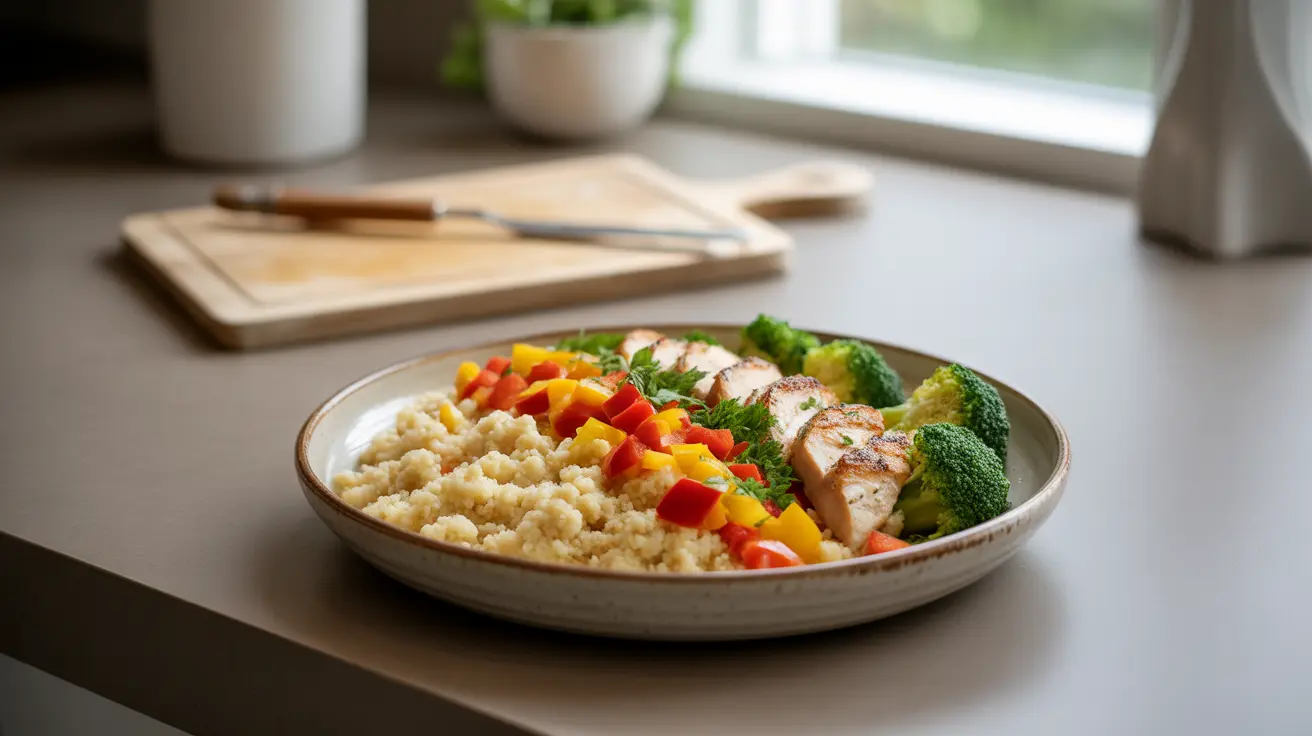
Couscous, a staple food in North African cuisine, has gained popularity worldwide as a versatile grain option. But with so many grain choices available today, many people wonder about its nutritional value and health benefits. Let's explore whether couscous deserves a place in your healthy eating plan.
Understanding the nutritional profile and health implications of couscous is essential for making informed dietary choices. This comprehensive guide will examine its benefits, potential drawbacks, and how it compares to other popular grains.
Understanding Couscous and Its Nutritional Profile
Couscous is made from semolina wheat flour rolled into small granules. Despite its rice-like appearance, it's actually a pasta product. A one-cup serving of cooked couscous provides approximately 175 calories and contains important nutrients including:
- 36 grams of carbohydrates
- 6 grams of protein
- 2 grams of fiber
- Essential B vitamins
- Selenium
- Iron
- Zinc
Health Benefits of Couscous
Rich Source of Selenium
One of couscous's standout nutritional features is its selenium content. This essential mineral plays crucial roles in:
- Thyroid hormone production
- DNA synthesis
- Immune system function
- Protection against oxidative damage
Protein and Energy Source
Couscous provides a moderate amount of protein, making it a valuable component of vegetarian and vegan diets. Its complex carbohydrates offer sustained energy release, helping maintain stable blood sugar levels when consumed as part of a balanced meal.
Weight Management and Blood Sugar Considerations
While couscous can be part of a healthy weight management plan, portion control is key. Its moderate glycemic index means it can affect blood sugar levels, though less dramatically than some refined grains. Pairing couscous with proteins, healthy fats, and vegetables can help moderate its impact on blood sugar.
Important Considerations for Special Diets
Gluten Content
As a wheat-based product, couscous contains gluten and is not suitable for individuals with celiac disease or gluten sensitivity. Those requiring gluten-free alternatives should consider quinoa, rice, or gluten-free alternatives.
Dietary Modifications
For those watching their carbohydrate intake or managing diabetes, whole grain versions of couscous offer more fiber and nutrients than refined varieties. Consider these serving suggestions:
- Mix with vegetables for added fiber
- Combine with lean proteins
- Include healthy fats for balanced nutrition
Frequently Asked Questions
Is couscous a healthy option compared to other grains like rice or quinoa?
Couscous can be a healthy option, though it's nutritionally different from rice and quinoa. While it provides selenium and protein, it generally contains less fiber than quinoa and fewer nutrients than whole grain alternatives. Its health value largely depends on how it's prepared and what it's served with.
What are the main nutritional benefits of eating couscous?
The main nutritional benefits of couscous include its selenium content, moderate protein levels, B vitamins, and complex carbohydrates. It's also relatively low in fat and calories, making it a good base for healthy meals.
Can couscous be included in a weight loss or diabetes-friendly diet?
Yes, couscous can be included in weight loss and diabetes-friendly diets when portion sizes are controlled and it's combined with protein, fiber-rich vegetables, and healthy fats. Whole grain versions are preferable for better blood sugar management.
Is couscous safe for people with gluten intolerance or celiac disease?
No, couscous is not safe for people with celiac disease or gluten intolerance as it's made from wheat. These individuals should choose naturally gluten-free alternatives like quinoa, rice, or certified gluten-free grains.
How does selenium in couscous support thyroid and heart health?
The selenium in couscous plays a vital role in thyroid hormone production and regulation. It also acts as an antioxidant, protecting heart cells from oxidative stress and inflammation. Regular consumption can contribute to maintaining healthy thyroid function and cardiovascular health.