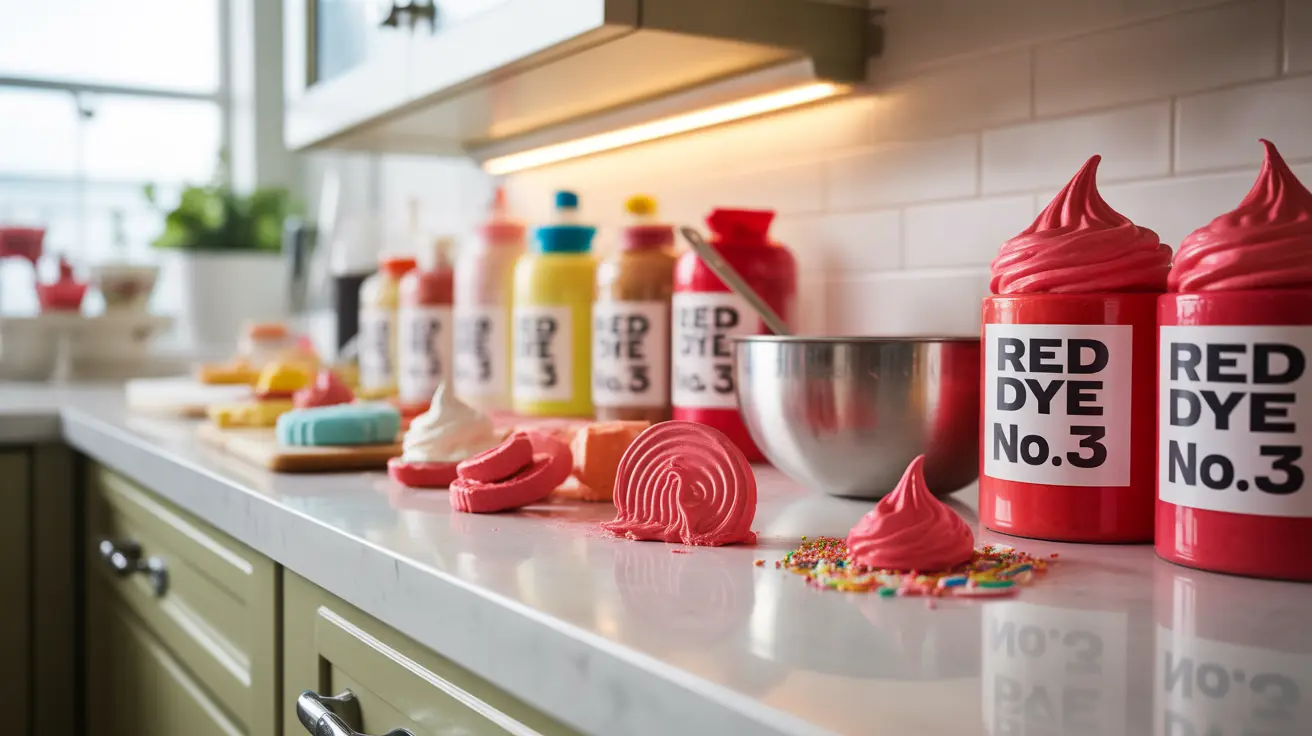
Red Dye No. 3, also known as Erythrosine, is a synthetic food coloring that has sparked considerable debate in recent years. As consumers become increasingly concerned about artificial additives in their food supply, many are asking fundamental questions about the safety of this bright red coloring agent found in countless everyday products.
This artificial dye has been the subject of scientific scrutiny, regulatory review, and public health discussions for decades. Understanding the potential risks, current research findings, and regulatory landscape surrounding Red Dye No. 3 can help you make informed decisions about your family's dietary choices.
What Is Red Dye No. 3 and Where Is It Found?
Red Dye No. 3 is a petroleum-based synthetic food coloring that creates vibrant red and pink hues in food products. Chemically known as Erythrosine, this additive has been approved for use in foods by the FDA since the 1960s, though its journey through regulatory approval has been marked by ongoing safety evaluations.
The dye is particularly popular in the food industry because of its stability and intense coloring properties. Unlike natural red colorings that may fade or change under different conditions, Red Dye No. 3 maintains its bright appearance across various temperatures and pH levels, making it valuable for manufacturers.
Common Foods Containing Red Dye No. 3
This artificial coloring appears in a surprising variety of food products that many families consume regularly. Candy manufacturers frequently use Red Dye No. 3 in products like cherry-flavored hard candies, red gummy bears, and strawberry-flavored sweets. The dye is also commonly found in frosting, particularly the bright red varieties used for holiday baking and cake decoration.
Processed foods represent another major category where this additive appears. Many fruit-flavored snacks, including fruit roll-ups and flavored gelatin desserts, rely on Red Dye No. 3 for their appealing appearance. Some breakfast cereals, particularly those marketed to children with colorful pieces, may also contain this dye.
Beverages aren't exempt from this additive either. Certain fruit punches, sports drinks, and flavored beverages use Red Dye No. 3 to achieve their characteristic red color. Even some pharmaceutical products, including certain medications and vitamins, may contain this dye for identification purposes.
Scientific Research and Health Concerns
The safety profile of Red Dye No. 3 has been extensively studied, with research dating back several decades. Early animal studies conducted in the 1980s raised concerns when high doses of the dye were associated with thyroid tumors in laboratory rats. These findings led to the FDA banning Red Dye No. 3 in cosmetics and externally applied drugs in 1990, while maintaining its approval for food use.
More recent research has explored various potential health effects beyond cancer concerns. Some studies have investigated possible connections between artificial food dyes and behavioral changes, though results have been mixed and often inconclusive. The scientific community continues to evaluate these findings as new research emerges.
It's important to note that regulatory agencies consider dosage and exposure levels when evaluating safety. The amounts of Red Dye No. 3 typically consumed through normal dietary intake are significantly lower than the concentrations used in animal studies that showed adverse effects.
Children's Health and Behavioral Considerations
Parents often express particular concern about artificial food dyes and their potential effects on children's behavior and development. Some research has suggested possible links between certain food dyes and increased hyperactivity or attention difficulties in sensitive children, though the evidence specifically for Red Dye No. 3 remains limited.
Children may be more susceptible to potential effects from food additives due to their smaller body size and developing systems. Additionally, children often consume more brightly colored processed foods and candies that contain these dyes, potentially leading to higher relative exposure levels compared to adults.
Some healthcare providers recommend elimination diets for children showing behavioral concerns, which may include removing artificial food dyes to determine if symptoms improve. However, individual responses can vary significantly, and such dietary changes should ideally be undertaken with professional guidance.
Regulatory Status and Future Outlook
The regulatory landscape surrounding Red Dye No. 3 is evolving. While the FDA continues to consider it safe for food use at current consumption levels, some states have begun taking independent action. California recently passed legislation requiring warning labels on foods containing certain artificial dyes, including Red Dye No. 3, when sold in schools.
Consumer pressure and mounting scientific interest have prompted renewed regulatory scrutiny. Food manufacturers are increasingly responding to public concerns by voluntarily removing or reducing artificial dyes in their products, often replacing them with natural alternatives derived from fruits, vegetables, or other plant sources.
International perspectives also influence the discussion. Some European countries have implemented stricter regulations or warning requirements for foods containing certain artificial dyes, creating additional pressure for reformulation in the global marketplace.
Making Informed Dietary Choices
For consumers concerned about Red Dye No. 3, careful label reading becomes essential. The ingredient must be listed by name on food labels, making it relatively easy to identify and avoid if desired. Looking for phrases like "Red Dye No. 3," "Erythrosine," or "FD&C Red No. 3" can help you spot products containing this additive.
Many manufacturers now offer products colored with natural alternatives such as beet juice, berry extracts, or other plant-based colorings. While these natural options may result in slightly different colors or shorter shelf life, they provide alternatives for families seeking to minimize synthetic additives.
Focusing on whole, minimally processed foods naturally reduces exposure to artificial food dyes. Fresh fruits, vegetables, whole grains, and unprocessed proteins rarely contain synthetic colorings, making them safer choices for those with concerns about food additives.
Frequently Asked Questions
Is red dye 3 bad for you and what are the health risks?
Current research suggests that Red Dye No. 3 may pose health concerns, particularly at high consumption levels. Animal studies have linked it to thyroid tumors, leading to its ban in cosmetics. While the FDA still permits its use in foods, some experts recommend limiting exposure, especially for children. Potential risks include thyroid disruption and possible behavioral effects in sensitive individuals, though more human research is needed to fully understand long-term health implications.
Does red dye 3 cause cancer in humans or just in animals?
Studies showing cancer links for Red Dye No. 3 have primarily been conducted in laboratory animals, specifically rats that developed thyroid tumors when given high doses. Direct evidence of cancer causation in humans remains limited, as long-term human studies are challenging to conduct. However, the animal findings were concerning enough for regulators to ban the dye from cosmetics and external drugs, while ongoing research continues to evaluate human health risks.
Can red dye 3 affect children's behavior or ADHD symptoms?
Some research suggests artificial food dyes, including Red Dye No. 3, may contribute to hyperactivity and attention problems in certain sensitive children. However, the evidence is mixed, and individual responses vary significantly. Some children may experience behavioral changes when consuming foods with artificial dyes, while others show no effects. Parents concerned about potential behavioral impacts may consider working with healthcare providers to evaluate whether removing artificial dyes from their child's diet produces noticeable improvements.
What foods commonly contain red dye 3 and how can I avoid it?
Red Dye No. 3 is commonly found in cherry candies, red frosting, fruit-flavored snacks, some cereals, flavored beverages, and certain processed foods with red or pink coloring. To avoid it, read ingredient labels carefully, looking for "Red Dye No. 3," "Erythrosine," or "FD&C Red No. 3." Choose products colored with natural alternatives like beet juice or berry extracts, and focus on whole, minimally processed foods that typically don't contain artificial colorings.
Why is red dye 3 being banned and when will the ban take effect?
Red Dye No. 3 isn't currently facing a complete federal ban, but regulatory pressure is increasing. California has passed legislation requiring warning labels on foods containing certain artificial dyes sold in schools, reflecting growing safety concerns. The push for restrictions stems from animal studies showing thyroid tumors and ongoing concerns about children's health. While no nationwide ban timeline exists, some states may implement additional restrictions, and consumer pressure is encouraging manufacturers to voluntarily remove the dye from their products.