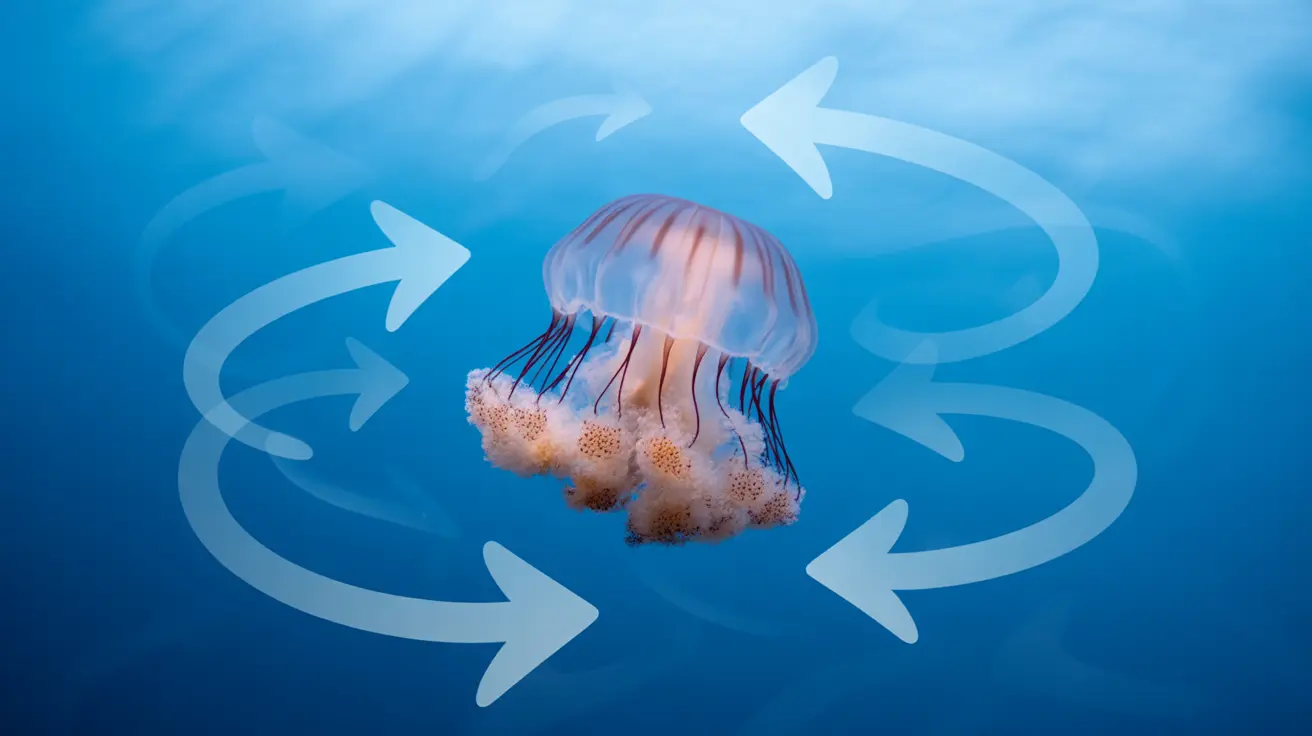
Encountering marine life while enjoying ocean activities can lead to unexpected and painful experiences, with jelly fish stings being among the most common aquatic injuries. These encounters affect thousands of beachgoers annually, ranging from minor irritations to serious medical emergencies depending on the species involved and individual reactions.
Understanding how to recognize, treat, and prevent jelly fish stings is essential knowledge for anyone who spends time in marine environments. While most stings result in temporary discomfort, some species can cause severe systemic reactions that require immediate medical intervention.
Understanding Jellyfish Sting Injuries
Jellyfish possess specialized cells called nematocysts that contain venom-filled harpoon-like structures. When triggered by contact, these microscopic weapons inject toxins into the skin, causing the characteristic burning sensation and visible marks associated with jelly fish stings. The severity of symptoms depends on factors including the species, amount of venom injected, and the victim's sensitivity to marine toxins.
Different jellyfish species produce varying degrees of envenomation. While most common species cause localized pain and skin irritation, certain varieties like the box jellyfish can deliver life-threatening doses of venom that affect the cardiovascular and nervous systems.
Recognizing Jellyfish Sting Symptoms
The immediate aftermath of a jelly fish sting typically involves intense burning pain that can persist for hours. Visible signs often include raised, red welts or linear marks where the tentacles made contact with skin. These marks may appear as straight lines or scattered patterns depending on how the encounter occurred.
Additional symptoms may develop within minutes to hours after the initial sting. These can include swelling around the affected area, itching that intensifies over time, and in some cases, small blisters or open wounds. The pain often radiates beyond the immediate contact zone, creating a broader area of discomfort.
Systemic Reactions
More serious reactions involve symptoms beyond the sting site. Victims may experience nausea, vomiting, muscle cramps, or difficulty breathing. These systemic symptoms indicate that the venom is affecting other body systems and may require emergency medical care.
Immediate First Aid Treatment
The first priority after a jelly fish sting is removing any visible tentacle fragments while avoiding further nematocyst discharge. Use tweezers, credit cards, or other rigid objects to carefully scrape away tentacle material. Never use bare hands or cloth towels, as this can cause additional stings.
Rinse the affected area with hot water, ideally between 104-113°F (40-45°C), for 10-15 minutes. Hot water helps deactivate remaining nematocysts and can significantly reduce pain. If hot water isn't available, vinegar can be used as an alternative to neutralize undischarged stinging cells.
Pain Management and Wound Care
After initial cleaning, over-the-counter pain relievers like ibuprofen or acetaminophen can help manage discomfort. Topical anesthetics containing lidocaine may provide additional relief when applied according to package instructions. Keep the wound clean and dry, applying antibiotic ointment if skin is broken.
Avoid applying ice directly to the sting site, as cold temperatures can trigger additional nematocyst discharge. Similarly, resist the urge to rub or scratch the affected area, which can worsen inflammation and increase infection risk.
Species-Specific Treatment Approaches
Box jellyfish stings require more aggressive initial treatment due to their potentially lethal venom. If a box jellyfish encounter is suspected, flood the area immediately with vinegar for at least 30 seconds before attempting tentacle removal. This species' venom can cause rapid cardiovascular collapse, making prompt medical evacuation essential.
Bluebottle jellyfish (Portuguese man-of-war) stings respond well to hot water treatment, but vinegar should be avoided as it may increase venom discharge from this species. Remove tentacles carefully and apply hot water for extended periods to manage pain effectively.
Emergency Medical Situations
Certain symptoms following a jelly fish sting warrant immediate emergency care. Difficulty breathing, rapid swelling of the face or throat, severe whole-body reactions, or signs of shock require prompt medical intervention. These reactions may indicate anaphylaxis or severe systemic envenomation.
Stings covering large body areas, particularly on children or elderly individuals, should be evaluated by medical professionals even if initial symptoms seem mild. Young children and individuals with compromised immune systems may develop complications that aren't immediately apparent.
Long-term Complications
While most jelly fish stings heal completely within weeks, some individuals may experience prolonged symptoms. Delayed skin reactions, persistent scarring, or recurring pain at the sting site may require dermatological evaluation and specialized treatment approaches.
Prevention Strategies
Effective jellyfish sting prevention begins with awareness of local marine conditions. Check with lifeguards or local authorities about recent jellyfish activity before entering the water. Many coastal areas provide daily updates on marine life presence and water safety conditions.
Protective clothing offers significant defense against jelly fish stings. Full-body swimsuits, diving skins, or specialized stinger suits create barriers that prevent tentacle contact with skin. Even thin fabric can dramatically reduce sting severity if contact occurs.
Safe Swimming Practices
Avoid swimming during peak jellyfish seasons or after storms that may drive these creatures closer to shore. Stay alert for jellyfish in the water and maintain safe distances from any marine life. If you spot jellyfish, exit the water immediately and warn other swimmers.
When entering unfamiliar waters, move slowly and scan the area around you. Jellyfish can be translucent and difficult to see, especially in murky water or low-light conditions. Consider swimming in areas with lifeguard coverage where marine life monitoring is more consistent.
Frequently Asked Questions
What are the common symptoms and signs of a jellyfish sting?
Common symptoms include immediate burning pain, red welts or linear marks on the skin, swelling, and intense itching. More severe reactions may involve nausea, muscle cramps, difficulty breathing, or widespread body reactions. The appearance typically shows raised, red marks in patterns corresponding to tentacle contact.
How should I treat a jellyfish sting at home to relieve pain and prevent complications?
Remove tentacle fragments carefully using tweezers or a rigid object, then rinse with hot water (104-113°F) for 10-15 minutes. Apply vinegar if hot water isn't available. Use over-the-counter pain relievers and topical anesthetics for comfort. Keep the wound clean, apply antibiotic ointment if skin is broken, and avoid rubbing the area.
When should I seek emergency medical care after a jellyfish sting?
Seek immediate medical care if you experience difficulty breathing, rapid facial or throat swelling, severe whole-body reactions, signs of shock, or stings covering large body areas. Children, elderly individuals, or those with compromised immune systems should receive medical evaluation even for seemingly mild stings.
What is the difference in first aid treatment for box jellyfish stings compared to bluebottle stings?
Box jellyfish stings require immediate vinegar application for at least 30 seconds before tentacle removal, followed by urgent medical evacuation due to potentially lethal venom. Bluebottle stings should not be treated with vinegar, as it may increase venom discharge. Instead, use hot water treatment and careful tentacle removal for bluebottles.
How can I prevent jellyfish stings while swimming in the ocean?
Check local marine conditions and jellyfish activity reports before swimming. Wear protective clothing like stinger suits or full-body swimwear. Avoid swimming during peak jellyfish seasons or after storms. Stay alert for jellyfish in the water, maintain safe distances from marine life, and swim in lifeguard-monitored areas when possible.