Experiencing low blood sugar during pregnancy can be concerning, especially if you don't have diabetes. Understanding the causes, symptoms, and management strategies is crucial for maintaining both maternal and fetal health throughout pregnancy.
This comprehensive guide will help you recognize the signs of low blood sugar (hypoglycemia) during pregnancy and provide practical strategies for prevention and management, whether you have diabetes or not.
Understanding Low Blood Sugar in Pregnancy
Pregnancy naturally affects how your body processes glucose, making you more susceptible to blood sugar fluctuations. Your body's increased demand for energy and changes in hormone levels can make maintaining stable blood sugar levels more challenging than usual.
Common Symptoms of Low Blood Sugar During Pregnancy
Pregnant women may experience distinct symptoms of low blood sugar that can be more intense than in non-pregnant individuals. These symptoms typically include:
- Increased sweating
- Shakiness or trembling
- Sudden hunger
- Dizziness or lightheadedness
- Confusion or difficulty concentrating
- Rapid heartbeat
- Fatigue or weakness
- Blurred vision
- Irritability or mood changes
Causes of Low Blood Sugar in Non-Diabetic Pregnant Women
Several factors can contribute to low blood sugar during pregnancy, even in women without diabetes:
- Delayed or skipped meals
- Inadequate caloric intake
- Excessive physical activity
- Morning sickness and vomiting
- Changes in metabolism during pregnancy
- Increased energy demands from the growing fetus
Prevention Strategies and Dietary Recommendations
Meal Planning and Timing
Maintaining stable blood sugar levels requires careful attention to meal planning:
- Eat small, frequent meals every 2-3 hours
- Never skip breakfast
- Include a bedtime snack
- Combine complex carbohydrates with protein at each meal
- Keep healthy snacks readily available
Recommended Foods for Blood Sugar Stability
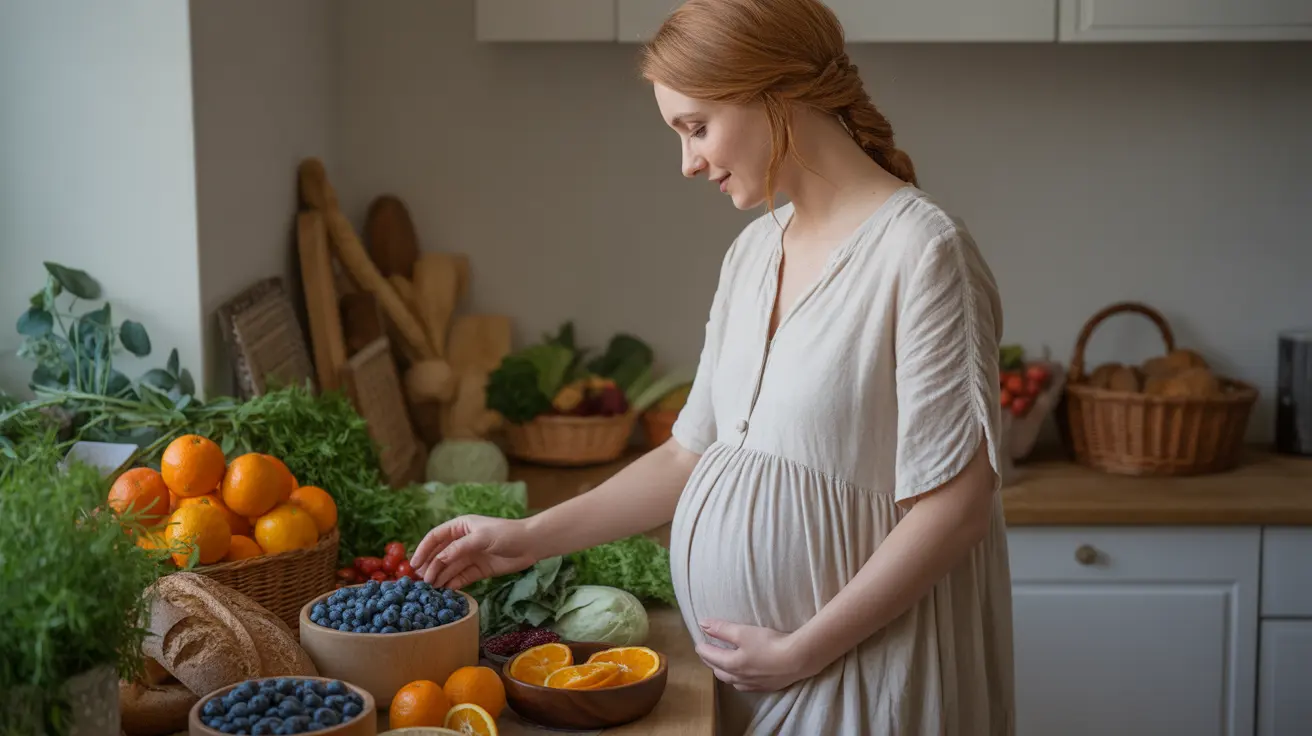
Focus on consuming these blood sugar-friendly foods:
- Whole grains (oats, quinoa, brown rice)
- Lean proteins (chicken, fish, legumes)
- Healthy fats (avocados, nuts, olive oil)
- Fresh fruits and vegetables
- Greek yogurt and cheese
- Complex carbohydrates
Managing Morning Sickness and Blood Sugar
Morning sickness can significantly impact blood sugar levels during pregnancy. To maintain stable blood sugar while dealing with nausea:
- Keep crackers or dry toast by your bedside
- Eat something small before getting out of bed
- Stay hydrated with water or electrolyte beverages
- Consider smaller, more frequent meals
- Focus on foods you can tolerate
When to Seek Medical Attention
Contact your healthcare provider immediately if you experience:
- Severe or persistent symptoms of low blood sugar
- Inability to keep food down due to morning sickness
- Frequent episodes of dizziness or fainting
- Confusion or disorientation
- Multiple episodes of low blood sugar in a short period
Frequently Asked Questions
What are the symptoms of low blood sugar in pregnancy, and how do they differ from those experienced by non-pregnant individuals?
During pregnancy, low blood sugar symptoms can be more intense and may include increased sweating, shakiness, sudden hunger, dizziness, and confusion. Pregnant women often experience these symptoms more quickly and severely than non-pregnant individuals due to increased metabolic demands.
How can I prevent low blood sugar during pregnancy if I don't have diabetes?
Prevent low blood sugar by eating regular, small meals throughout the day, never skipping meals, combining complex carbohydrates with protein, and keeping healthy snacks handy. Stay well-hydrated and avoid long periods without eating.
What are the dietary recommendations for maintaining stable blood sugar levels during pregnancy?
Focus on eating balanced meals containing complex carbohydrates, lean proteins, and healthy fats. Consume small, frequent meals every 2-3 hours, include a bedtime snack, and choose whole grains, fruits, vegetables, and protein-rich foods.
Can excessive morning sickness or nausea lead to hypoglycemia in pregnant women without diabetes?
Yes, severe morning sickness can lead to hypoglycemia by making it difficult to maintain regular food intake. This risk increases when vomiting prevents proper nutrition absorption or when nausea leads to reduced food consumption.
How does having diabetes increase the risk of hypoglycemia during pregnancy, and what adjustments should be made to manage it?
Diabetes during pregnancy requires careful monitoring as pregnancy hormones can affect insulin sensitivity. Work closely with your healthcare team to adjust medication dosages, monitor blood sugar more frequently, and modify your meal plan as needed throughout pregnancy.