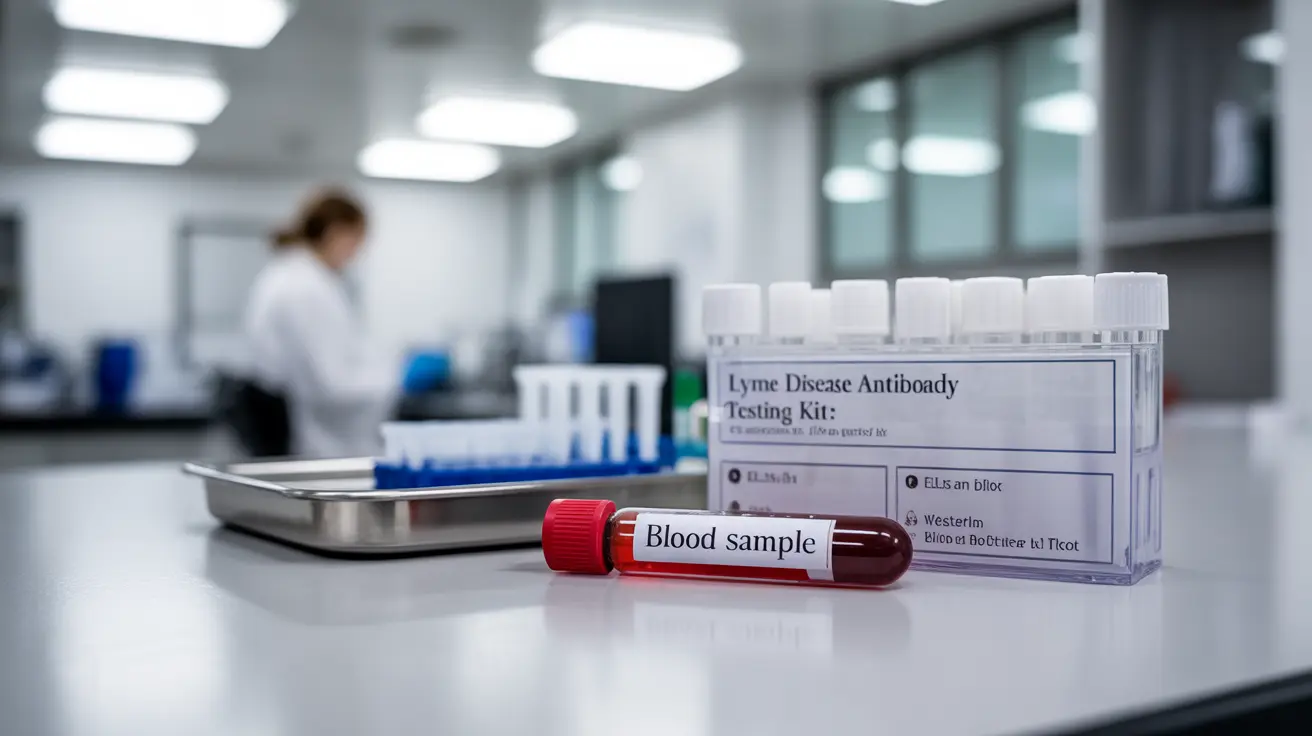
Lyme disease antibody testing plays a crucial role in diagnosing and managing Lyme disease, a tick-borne illness caused by the bacteria Borrelia burgdorferi. If you've been bitten by a tick or are experiencing symptoms that could indicate Lyme disease, understanding how antibody testing works can help you make informed decisions about your healthcare.
This comprehensive guide will explore the ins and outs of Lyme antibody screening, including when to get tested, what the results mean, and the accuracy of different testing methods.
What is a Lyme Antibody Screen?
A Lyme antibody screen, also known as a Lyme disease test or Lyme titer, is a blood test that detects antibodies your immune system produces in response to Borrelia burgdorferi infection. This test is typically conducted using a two-step testing process, starting with an ELISA (enzyme-linked immunosorbent assay) test, followed by a Western blot test if the initial results are positive or inconclusive.
The Two-Step Testing Process
Initial ELISA Test
The ELISA test serves as the first screening tool, measuring the levels of antibodies your body has produced against the Lyme disease bacteria. This test is sensitive but may sometimes produce false-positive results, which is why positive results require confirmation through the Western blot test.
Western Blot Confirmation
The Western blot test provides a more detailed analysis of specific antibodies present in your blood. This test looks for antibodies that react with different proteins of the Lyme disease bacteria, offering a more accurate diagnosis when used in combination with the ELISA test.
Timing of Lyme Disease Testing
The timing of Lyme antibody testing is crucial for accurate results. Your body needs time to develop detectable antibodies after infection. Testing too early can lead to false-negative results, as it typically takes several weeks for antibodies to reach detectable levels.
Early Testing Considerations
If you've recently been bitten by a tick or noticed early symptoms, your healthcare provider might recommend waiting 2-6 weeks before conducting an antibody test. This waiting period allows your immune system to produce enough antibodies for detection.
Understanding Test Results
Interpreting Lyme antibody test results requires careful consideration of various factors, including timing, symptoms, and potential exposure to ticks. Results can be positive, negative, or indeterminate, each carrying different implications for diagnosis and treatment.
Positive Results
A positive result indicates the presence of antibodies against the Lyme disease bacteria. However, these antibodies can persist in your blood long after successful treatment, making it challenging to determine if an infection is current or past.
Negative Results
A negative result generally suggests no Lyme disease infection, but false negatives can occur, particularly in early testing or if you're taking certain medications that affect immune response.
Post-Treatment Testing
After completing treatment for Lyme disease, antibody levels may remain elevated for months or even years. Therefore, antibody testing is not typically used to determine if treatment has been successful. Instead, healthcare providers focus on symptom resolution to evaluate treatment effectiveness.
Frequently Asked Questions
What is a Lyme Ab screen and how does it help diagnose Lyme disease? A Lyme Ab screen is a blood test that detects antibodies produced by your immune system in response to Lyme disease bacteria. It helps diagnose Lyme disease through a two-step testing process using ELISA and Western blot tests.
When should I get tested for Lyme disease after a tick bite, and why is timing important? You should typically wait 2-6 weeks after a tick bite before getting tested. This timing is crucial because it takes several weeks for your body to produce enough antibodies for accurate detection.
What do positive or negative Lyme antibody test results mean, and can they be false? A positive result indicates the presence of Lyme disease antibodies, while a negative result suggests no infection. However, both false positives and false negatives can occur. False negatives are more common in early testing, while false positives can happen due to cross-reactivity with other conditions.
How accurate are Lyme disease antibody tests like ELISA and Western blot? The two-step testing process using ELISA and Western blot provides good accuracy when performed at the right time. The combination of both tests helps reduce false results and increases overall diagnostic accuracy.
Can a Lyme Ab screen show if Lyme disease has been cured after treatment? No, antibody testing cannot reliably indicate if Lyme disease has been cured after treatment. Antibodies can persist in the blood for months or years after successful treatment, so healthcare providers focus on symptom improvement instead.