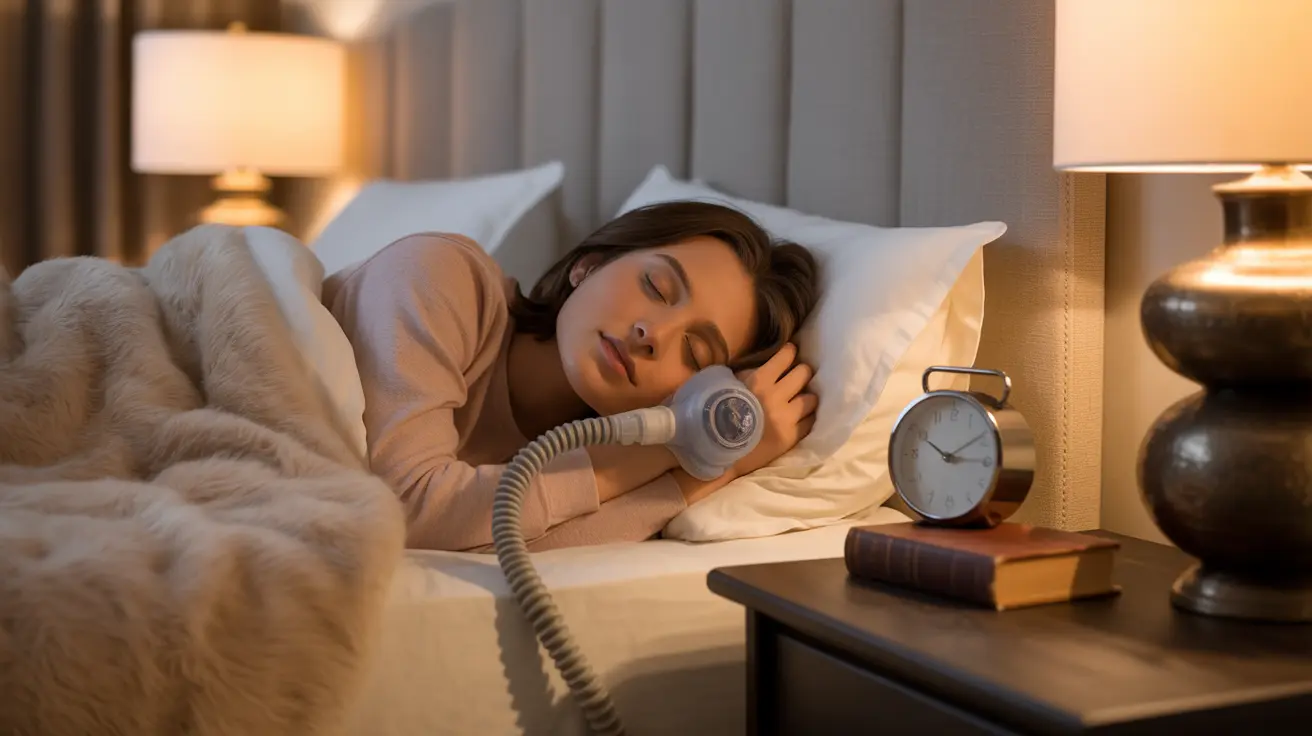
If you've been diagnosed with sleep apnea and your doctor has recommended CPAP therapy, understanding Medicare coverage for these essential medical devices is crucial for managing both your health and healthcare costs. Sleep apnea affects millions of Americans, and CPAP machines represent the gold standard treatment for this serious condition that can lead to heart problems, stroke, and other complications if left untreated.
Medicare does provide coverage for CPAP machines and related supplies, but navigating the specific requirements, costs, and approval processes can feel overwhelming. This comprehensive guide will help you understand exactly what Medicare covers, how much you'll pay out of pocket, and the steps needed to secure and maintain your CPAP therapy coverage.
Medicare Coverage Requirements for CPAP Machines
Medicare Part B covers CPAP machines as durable medical equipment (DME) when specific medical criteria are met. To qualify for coverage, you must have a formal diagnosis of obstructive sleep apnea confirmed through an approved sleep study. This study can be conducted either in a sleep laboratory or as a home sleep test, provided it meets Medicare's standards.
Your sleep study must demonstrate an Apnea-Hypopnea Index (AHI) of 15 or higher, or an AHI between 5 and 14 with documented symptoms such as excessive daytime sleepiness, impaired cognition, mood disorders, or cardiovascular disease. The sleep study results must be interpreted by a qualified physician, typically a sleep medicine specialist or pulmonologist.
Additionally, Medicare requires that you obtain your CPAP machine from a Medicare-approved supplier. Using a non-approved supplier will result in Medicare denying coverage, leaving you responsible for the full cost of the equipment.
Cost Breakdown and Out-of-Pocket Expenses
Under Medicare Part B, you'll typically pay 20% of the Medicare-approved amount for your CPAP machine after meeting your annual deductible. The remaining 80% is covered by Medicare. For 2024, the Medicare Part B deductible is $240, which must be met before coverage begins.
The average Medicare-approved amount for a basic CPAP machine ranges from $800 to $1,200, meaning your out-of-pocket cost would typically be $160 to $240 after the deductible is met. However, costs can vary based on the specific type of machine prescribed and your geographic location.
It's important to note that Medicare treats CPAP machines as rental equipment for the first 13 months. During this period, you'll pay your 20% coinsurance each month. After 13 consecutive months of rental payments, you'll own the equipment outright, and Medicare will continue covering necessary supplies and repairs.
Doctor Approval Process and Ongoing Requirements
Securing Medicare approval for CPAP therapy requires careful coordination with your healthcare provider. Your doctor must submit a detailed prescription that includes your sleep study results, diagnosis code, and specific equipment recommendations. This prescription must be sent to a Medicare-approved DME supplier along with supporting medical documentation.
Medicare also requires ongoing compliance monitoring to maintain coverage. During the first three months of therapy, you must demonstrate regular CPAP use for at least four hours per night on 70% of nights during any consecutive 30-day period. Your DME supplier will monitor your usage through the machine's built-in data tracking system.
After the initial compliance period, you'll need follow-up appointments with your prescribing physician. Medicare requires a face-to-face visit between the 31st and 90th day of therapy to assess your response to treatment and adjust settings if necessary. Continued coverage depends on demonstrating ongoing medical necessity and compliance with prescribed therapy.
CPAP Supplies and Replacement Schedule Coverage
Medicare covers essential CPAP supplies including masks, tubing, filters, and humidifier chambers. However, replacement frequency limits apply to manage costs and prevent unnecessary waste. Full face masks and nasal masks are typically covered every three months, while nasal pillows may be replaced every month due to their more delicate construction.
CPAP tubing is generally covered every three months, while headgear and chin straps are covered every six months. Filters have varying replacement schedules: disposable filters are covered monthly, while reusable filters are covered every six months. Humidifier chambers are typically covered every six months.
Water chambers for heated humidifiers are covered every six months, and heated tubing is covered every three months. It's crucial to work with your Medicare-approved supplier to ensure you're receiving supplies according to Medicare's approved schedule, as requesting replacements too frequently can result in coverage denials.
Medicare Advantage vs Original Medicare for CPAP Coverage
Medicare Advantage plans must provide at least the same level of coverage as Original Medicare for CPAP machines and supplies. However, many Medicare Advantage plans offer additional benefits that can reduce your out-of-pocket costs or provide extra conveniences.
Some Medicare Advantage plans may have lower coinsurance rates for DME, potentially reducing your 20% cost-sharing to 10% or 15%. Others might offer additional coverage for premium CPAP features not covered by Original Medicare, such as advanced data connectivity or travel-sized machines.
However, Medicare Advantage plans typically have network restrictions that Original Medicare doesn't have. You'll need to use DME suppliers within your plan's network, which may limit your choices compared to Original Medicare's broader network of approved suppliers. Additionally, prior authorization requirements may be more stringent with Medicare Advantage plans, potentially extending the approval timeline for your equipment.
Frequently Asked Questions
Does Medicare pay for CPAP machines for sleep apnea, and what are the requirements to qualify for coverage?
Yes, Medicare Part B covers CPAP machines for sleep apnea treatment. To qualify, you need a formal sleep apnea diagnosis confirmed by an approved sleep study showing an AHI of 15 or higher, or an AHI of 5-14 with documented symptoms. You must obtain equipment from a Medicare-approved supplier and meet ongoing compliance requirements.
How much does Medicare cover for a CPAP machine and supplies, and how much will I have to pay out of pocket?
Medicare covers 80% of the approved amount after you meet your annual Part B deductible ($240 in 2024). You'll pay 20% coinsurance, typically $160-$240 for a basic CPAP machine. The equipment is rented for 13 months before you own it, with monthly coinsurance payments during the rental period.
What steps do I need to take with my doctor to get Medicare to approve and continue CPAP therapy?
Your doctor must submit a detailed prescription with sleep study results to a Medicare-approved supplier. You'll need to demonstrate compliance (4+ hours per night, 70% of nights) during the first three months and attend a follow-up visit between days 31-90 of therapy to maintain coverage.
Are CPAP masks, tubing, and replacement supplies covered by Medicare, and how often can I get them?
Yes, Medicare covers CPAP supplies with specific replacement schedules: masks every 3 months (nasal pillows monthly), tubing every 3 months, filters monthly (disposable) or every 6 months (reusable), and humidifier chambers every 6 months. You must follow Medicare's approved replacement timeline.
How does Medicare Advantage coverage for CPAP machines compare to Original Medicare, and are there any additional restrictions?
Medicare Advantage plans must provide equivalent coverage to Original Medicare but may offer lower coinsurance or additional benefits. However, they typically have network restrictions requiring you to use specific DME suppliers and may have more stringent prior authorization requirements compared to Original Medicare's broader supplier network.