Managing diabetes effectively requires reliable insulin delivery systems, and the Omnipod DASH has emerged as a popular choice among people with type 1 and type 2 diabetes. This tubeless insulin pump system represents a significant advancement in diabetes technology, offering freedom from traditional tubing while providing continuous insulin delivery throughout the day and night.
Understanding real user experiences and clinical features becomes essential when considering any insulin pump system. Omnipod reviews consistently highlight both the advantages and challenges of this innovative approach to diabetes management, helping individuals make informed decisions about their treatment options.
Understanding the Omnipod DASH System
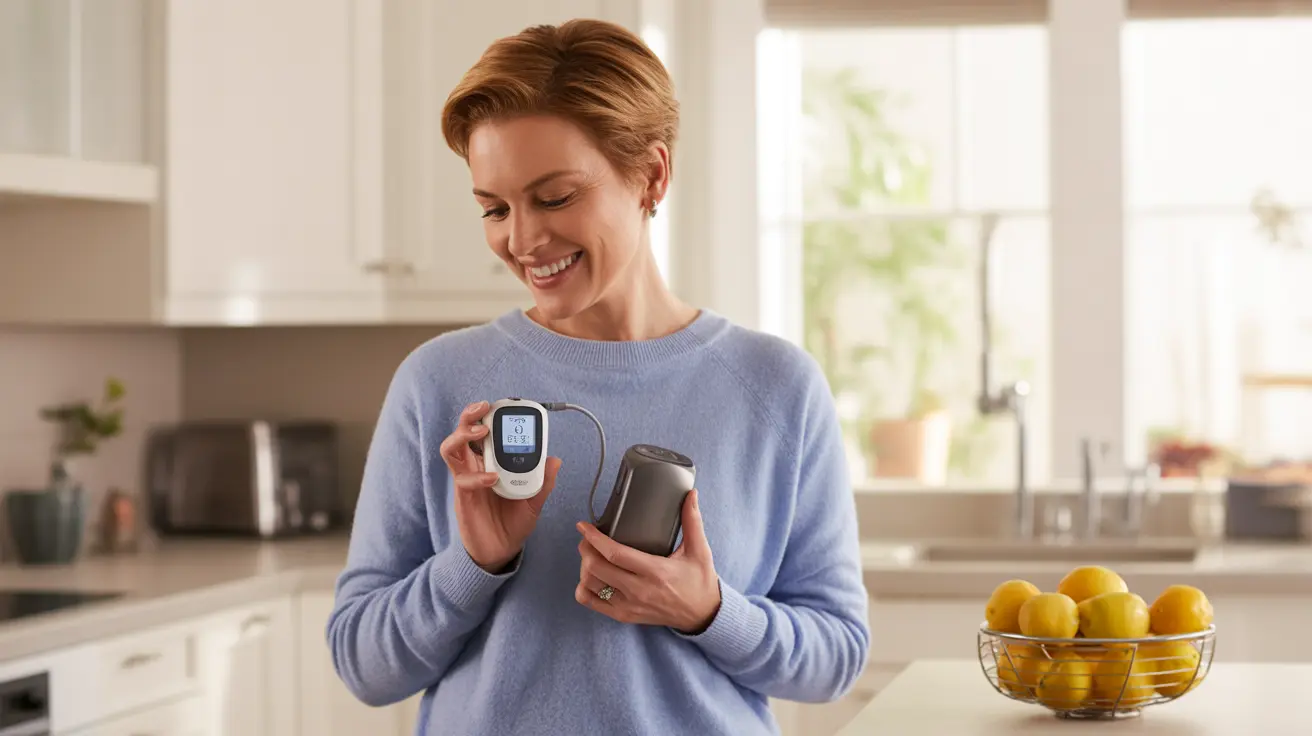
The Omnipod DASH operates as a tubeless insulin pump system that consists of two main components: a wearable pod that contains insulin and a handheld Personal Diabetes Manager (PDM) that controls insulin delivery. Unlike traditional insulin pumps that require tubing connections, the pod adheres directly to the skin and communicates wirelessly with the controller.
This system delivers rapid-acting insulin continuously through a small cannula inserted beneath the skin. Users can program basal rates for steady background insulin delivery and deliver bolus doses for meals or blood sugar corrections. The pod holds up to 200 units of insulin and remains waterproof during normal activities, including swimming and showering.
The wireless communication between the pod and PDM allows for discreet insulin management without the visibility concerns often associated with traditional tubed pumps. This design feature frequently appears as a significant advantage in user reviews and clinical assessments.
Key Benefits and Advantages
Freedom from Tubing
The most frequently cited benefit in Omnipod reviews relates to the elimination of tubing. Traditional insulin pumps require plastic tubing that connects the pump device to the infusion site, which can become tangled, kinked, or accidentally disconnected. The tubeless design removes these concerns entirely, providing greater physical freedom during daily activities, exercise, and sleep.
Athletes and active individuals particularly appreciate this feature, as it eliminates the need to secure or protect tubing during physical activities. The pod's low-profile design allows for more clothing options and reduces the self-consciousness that some people experience with visible pump tubing.
Improved Lifestyle Flexibility
Users consistently report enhanced lifestyle flexibility with the Omnipod DASH system. The waterproof pod design means users can participate in water activities without removing their insulin delivery system, unlike some traditional pumps that require disconnection for swimming or bathing.
The discrete nature of the system also provides psychological benefits, with many reviews mentioning increased confidence in social and professional settings. The ability to deliver insulin without exposing tubing or pump hardware contributes to a sense of normalcy that many users value highly.
Technology Integration and Connectivity
The Omnipod DASH system incorporates modern smartphone technology, allowing users to manage their diabetes through a dedicated mobile application. This connectivity enables remote monitoring capabilities for caregivers and healthcare providers, particularly beneficial for parents managing children with diabetes.
The system integrates with various blood glucose meters and continuous glucose monitoring systems, creating a more comprehensive diabetes management ecosystem. This integration allows for more precise insulin dosing decisions based on real-time glucose data and trends.
Automatic data logging captures insulin delivery information, providing valuable insights for healthcare providers during diabetes management appointments. This feature helps identify patterns and optimize insulin regimens more effectively than manual logbook entries.
Common Challenges and User Concerns
Pod Adhesion and Skin Issues
Despite overwhelmingly positive feedback, Omnipod reviews do highlight some consistent challenges. Skin sensitivity and adhesion issues represent the most common complaints among users. Some individuals experience skin irritation from the pod's adhesive, particularly during hot weather or extended wear periods.
The pod's three-day wear requirement can pose challenges for people with sensitive skin or those who engage in activities that cause excessive sweating. Users often need to experiment with different adhesion techniques, barrier films, or rotation schedules to find comfortable wearing patterns.
Device Malfunctions and Pod Failures
Electronic device failures, while relatively uncommon, do occur with the Omnipod DASH system. Users report occasional pod malfunctions that require early replacement, potentially disrupting insulin delivery schedules. These failures can be particularly concerning during travel or situations where replacement pods aren't immediately available.
The system's reliance on wireless communication can occasionally result in connectivity issues between the pod and PDM, though most users report these problems resolve quickly. Having backup insulin delivery methods remains important for managing these rare but possible technical difficulties.
Setup Process and Maintenance Requirements
The pod replacement process occurs every three days, which users generally find straightforward after initial training. The setup involves filling a new pod with insulin, priming the system, and applying it to a new infusion site. Most users complete this process in under ten minutes once familiar with the routine.
Site rotation becomes crucial for preventing tissue damage and maintaining effective insulin absorption. Healthcare providers typically recommend rotating between multiple body areas, including the abdomen, arms, and thighs, to give each site adequate recovery time.
The PDM requires regular charging, similar to smartphone maintenance, and users need to maintain an adequate supply of replacement pods. Insurance coverage and supply management represent important practical considerations for long-term success with the system.
Cost Considerations and Insurance Coverage
Financial aspects significantly influence user satisfaction in Omnipod reviews. The system's cost includes initial equipment expenses and ongoing pod supplies, which can be substantial without adequate insurance coverage. Many users report successful insurance authorization, though the process sometimes requires healthcare provider advocacy and documentation.
Comparing costs against traditional insulin pump supplies often favors the Omnipod system when considering tubing, reservoirs, and infusion sets. However, individual insurance plans vary significantly in their coverage policies for different pump systems and supplies.
Frequently Asked Questions
What are the main benefits of using the Omnipod DASH insulin pump compared to traditional pumps?
The primary benefits include elimination of tubing, which prevents tangling and disconnection issues, improved discretion and clothing flexibility, waterproof design for swimming and bathing, and wireless connectivity for smartphone integration. Users also appreciate the freedom of movement during exercise and daily activities without managing visible pump hardware.
How does the Omnipod DASH system work for insulin delivery and dosing?
The system uses a wearable pod containing up to 200 units of rapid-acting insulin that delivers continuous basal rates and on-demand bolus doses. A wireless Personal Diabetes Manager (PDM) controls all insulin delivery functions, allowing users to program basal rates, deliver meal boluses, and make correction doses based on blood glucose readings.
What are the most common complaints or drawbacks mentioned in Omnipod DASH reviews?
The most frequent complaints include skin irritation from pod adhesives, occasional pod failures requiring early replacement, higher supply costs without adequate insurance coverage, and the need for frequent site rotation every three days. Some users also report initial learning curves for optimal pod placement and adhesion techniques.
Can the Omnipod DASH connect to a blood glucose meter or smartphone app for easier diabetes management?
Yes, the Omnipod DASH system integrates with compatible blood glucose meters and features a dedicated smartphone application for iOS and Android devices. This connectivity allows for remote monitoring, data sharing with healthcare providers, and integration with continuous glucose monitoring systems for comprehensive diabetes management.
How often do you need to change the Omnipod DASH pod, and what is the setup process like?
Pods require replacement every three days (72 hours maximum). The setup process involves filling a new pod with insulin, priming the system to remove air bubbles, applying the pod to a new infusion site, and activating it through the PDM. Most users complete this routine in 5-10 minutes after becoming familiar with the process.