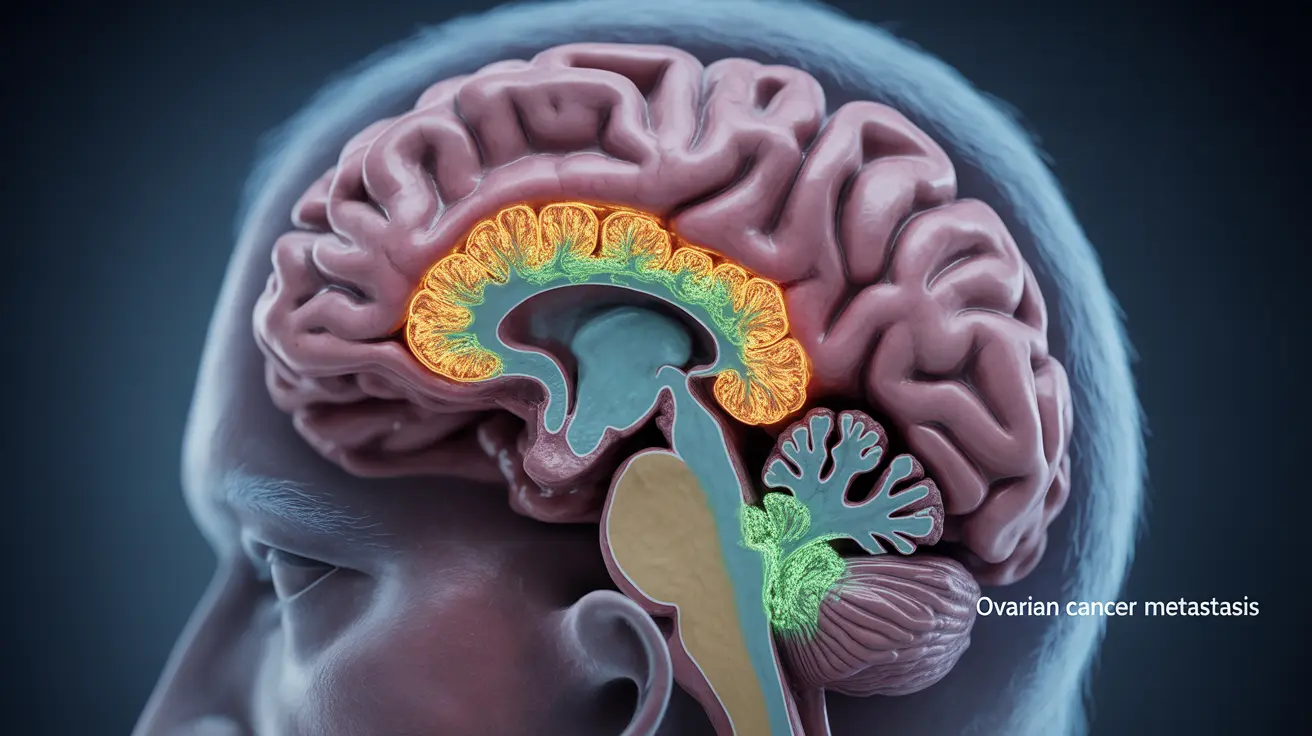
When ovarian cancer spreads to the brain, it presents unique challenges for both patients and healthcare providers. This condition, known as brain metastasis, occurs when ovarian cancer cells travel through the bloodstream or lymphatic system to form secondary tumors in the brain. Understanding the prognosis, symptoms, and treatment options is crucial for patients and their families facing this diagnosis.
While brain metastasis from ovarian cancer is relatively rare, occurring in approximately 1-3% of cases, its impact on patient outcomes and quality of life can be significant. Early detection and appropriate treatment strategies can help manage symptoms and potentially extend survival.
Understanding Brain Metastasis in Ovarian Cancer
Brain metastasis typically occurs in later stages of ovarian cancer when cancer cells break away from the primary tumor and establish themselves in brain tissue. This process can affect various areas of the brain, leading to different symptoms depending on the location and size of the metastatic tumors.
Common Symptoms and Warning Signs
Brain metastases from ovarian cancer can manifest through various neurological symptoms that shouldn't be ignored. Common signs include:
- Persistent headaches
- Changes in vision or speech
- Seizures
- Balance problems
- Cognitive changes
- Personality alterations
- Weakness or numbness in limbs
Treatment Approaches for Brain Metastasis
Treatment for ovarian cancer that has spread to the brain typically involves a multi-modal approach, combining different therapeutic strategies:
Surgical Options
When appropriate, surgical removal of brain metastases may be recommended, particularly for single or large tumors that are causing significant symptoms.
Radiation Therapy
Both whole-brain radiation therapy (WBRT) and stereotactic radiosurgery (SRS) play crucial roles in treatment, often providing symptom relief and tumor control.
Systemic Treatments
Chemotherapy, targeted therapies, and immunotherapy may be used to address both brain metastases and cancer in other parts of the body. The blood-brain barrier can present challenges for some treatments reaching the brain effectively.
Factors Affecting Prognosis
Several key factors influence the outlook for patients with ovarian cancer brain metastasis:
- Number and size of brain metastases
- Overall health status
- Response to previous treatments
- Presence of cancer in other parts of the body
- Timing of brain metastasis diagnosis
- Access to specialized medical care
Emerging Treatment Options
Recent advances in targeted therapies and precision medicine are showing promise in treating brain metastases. PARP inhibitors and other novel approaches are being studied for their potential to improve outcomes for patients with this challenging condition.
Frequently Asked Questions
What is the survival rate for ovarian cancer that has spread to the brain?
Survival rates vary significantly based on individual factors, but median survival typically ranges from several months to over a year with appropriate treatment. Patients who are eligible for aggressive treatment approaches, including surgery and targeted radiation, may experience longer survival times.
What are the common symptoms of brain metastasis from ovarian cancer?
Common symptoms include headaches, seizures, cognitive changes, vision problems, balance issues, and changes in speech or personality. These symptoms can develop gradually or appear suddenly, requiring immediate medical attention.
How is ovarian cancer with brain metastases typically treated?
Treatment usually involves a combination of approaches, including surgery (when possible), radiation therapy (either whole-brain or targeted), and systemic treatments such as chemotherapy or targeted therapies. The specific treatment plan is tailored to each patient's situation.
What factors affect the prognosis for ovarian cancer patients with brain metastases?
Prognosis is influenced by factors including the number and location of brain metastases, overall health status, response to previous treatments, and the availability of treatment options. The presence of cancer in other parts of the body also impacts survival outcomes.
Can targeted therapies like PARP inhibitors improve survival in ovarian cancer brain metastasis?
Research suggests that PARP inhibitors and other targeted therapies may offer promise in treating brain metastases, particularly in patients with specific genetic mutations. Clinical trials are ongoing to evaluate their effectiveness in improving survival rates.