Phenylalanine is an essential amino acid that plays a crucial role in human health and metabolism. As a building block of proteins, it's necessary for various bodily functions, from producing neurotransmitters to supporting overall growth and development. Understanding its importance, sources, and potential health implications is vital for maintaining optimal health and managing certain medical conditions.
Whether you're curious about dietary sources, concerned about phenylketonuria (PKU), or wondering about supplement safety, this comprehensive guide will help you understand everything you need to know about phenylalanine and its impact on health.
What Is Phenylalanine and Why Is It Important?
Phenylalanine is one of the nine essential amino acids that our bodies cannot produce naturally, meaning we must obtain it through diet or supplements. This amino acid serves as a precursor to important compounds in the body, including:
- Tyrosine (another amino acid)
- Dopamine (a neurotransmitter)
- Norepinephrine (a stress hormone)
- Epinephrine (adrenaline)
- Melanin (skin pigment)
Natural Sources of Phenylalanine
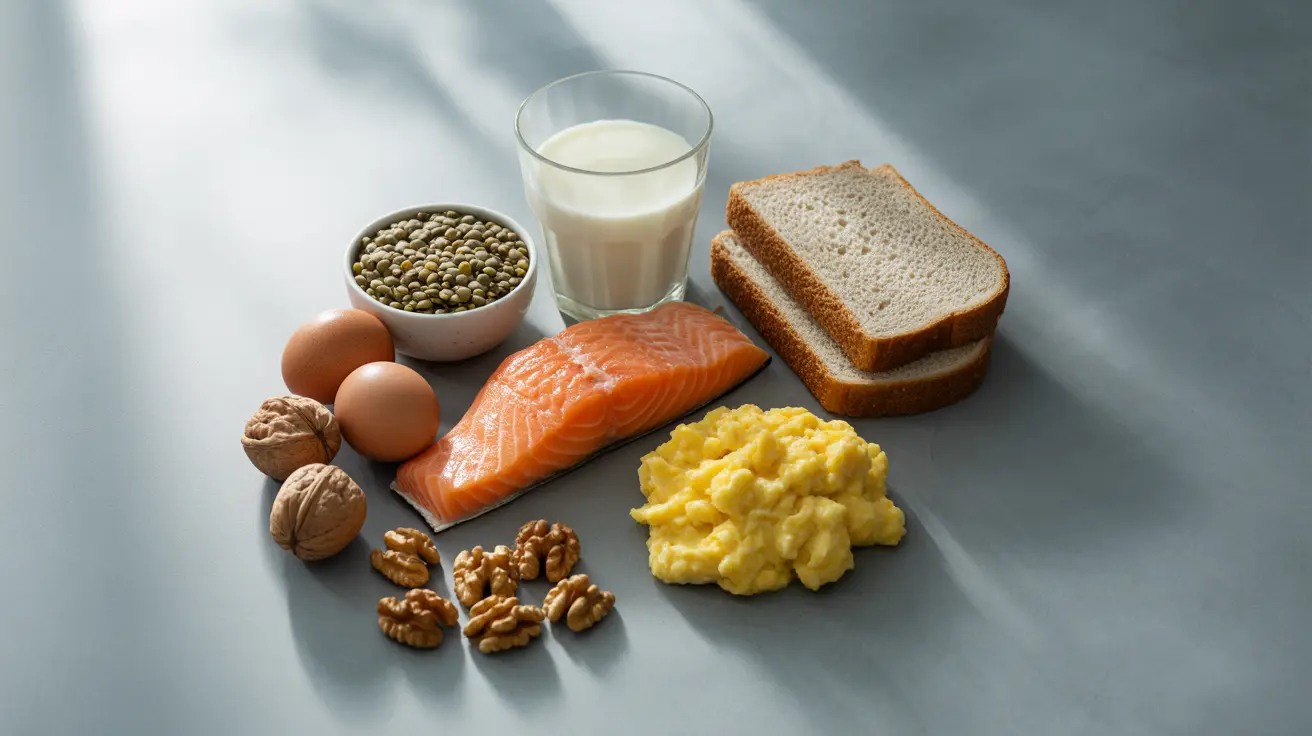
Phenylalanine is naturally present in many protein-rich foods. Common sources include:
- Meat and poultry
- Fish and seafood
- Eggs
- Dairy products
- Legumes and beans
- Nuts and seeds
- Whole grains
- Soy products
Medical Applications and Benefits
Research has shown that phenylalanine may have several potential therapeutic applications. It's being studied for its effects on various conditions, including depression, vitiligo, and chronic pain. The amino acid's role in neurotransmitter production makes it particularly interesting for mental health applications.
Depression and Mood Disorders
Some studies suggest that phenylalanine may help alleviate symptoms of depression by increasing the production of mood-regulating neurotransmitters. However, more research is needed to fully understand its effectiveness as a therapeutic option.
Skin Conditions
For individuals with vitiligo, phenylalanine supplementation, combined with UV light therapy, has shown promise in helping restore skin pigmentation. This is likely due to its role in melanin production.
Understanding PKU and Dietary Restrictions
Phenylketonuria (PKU) is a rare genetic disorder that affects how the body processes phenylalanine. People with PKU must carefully monitor and restrict their phenylalanine intake to prevent serious health complications.
Managing PKU Through Diet
Individuals with PKU need to follow a specialized diet that limits phenylalanine consumption while ensuring adequate nutrition. This typically involves:
- Avoiding high-protein foods
- Using special medical formulas
- Regular blood monitoring
- Working with healthcare providers for dietary planning
Artificial Sweeteners and Warnings
Aspartame, a common artificial sweetener, contains phenylalanine. This is why you'll often see warning labels on diet sodas and other products containing aspartame. These warnings are primarily intended for individuals with PKU or other conditions affecting phenylalanine metabolism.
Frequently Asked Questions
What foods are high in phenylalanine, and which should be avoided if you have PKU? People with PKU should avoid high-protein foods like meat, fish, eggs, dairy products, nuts, and legumes. They should instead focus on specially formulated PKU foods and carefully measured amounts of fruits, vegetables, and some grains.
How does phenylalanine help with conditions like depression or vitiligo, and is there scientific evidence to support its use? Phenylalanine may help with depression by boosting neurotransmitter production, and with vitiligo by supporting melanin synthesis. While some studies show promising results, especially when combined with UV therapy for vitiligo, more research is needed to fully establish its effectiveness.
What are the symptoms and treatment options for phenylketonuria (PKU), and why is early diagnosis important? PKU symptoms can include developmental delays, behavioral problems, and seizures if left untreated. Early diagnosis through newborn screening is crucial because immediate dietary management can prevent these complications. Treatment primarily involves a strict low-phenylalanine diet and medical monitoring.
Are phenylalanine supplements safe for everyone, or are there certain people who should not take them? Phenylalanine supplements are not safe for everyone. People with PKU, pregnant women with high phenylalanine levels, and individuals taking certain medications should avoid these supplements. Always consult a healthcare provider before starting any supplement regimen.
Why does my diet soda have a phenylalanine warning, and who needs to pay attention to this label? Diet sodas containing aspartame must carry a phenylalanine warning because aspartame breaks down into phenylalanine in the body. This warning is primarily important for people with PKU or other conditions affecting phenylalanine metabolism.