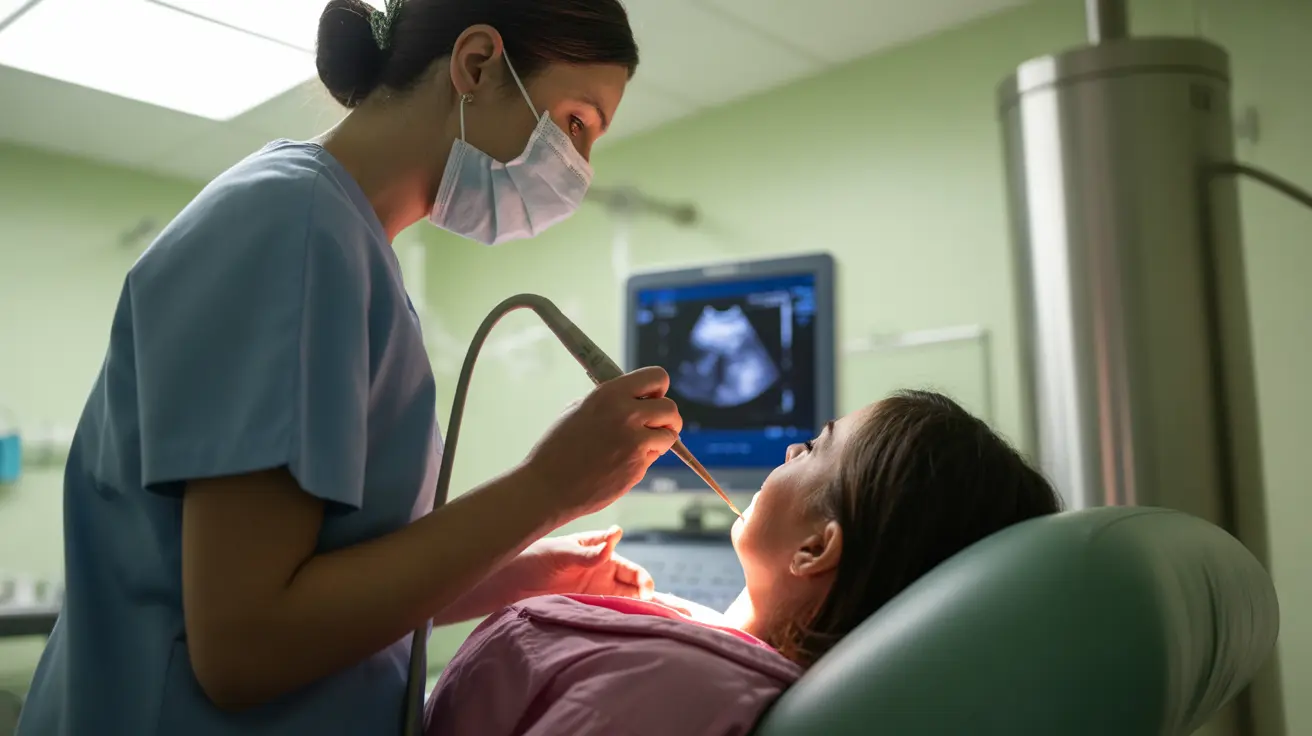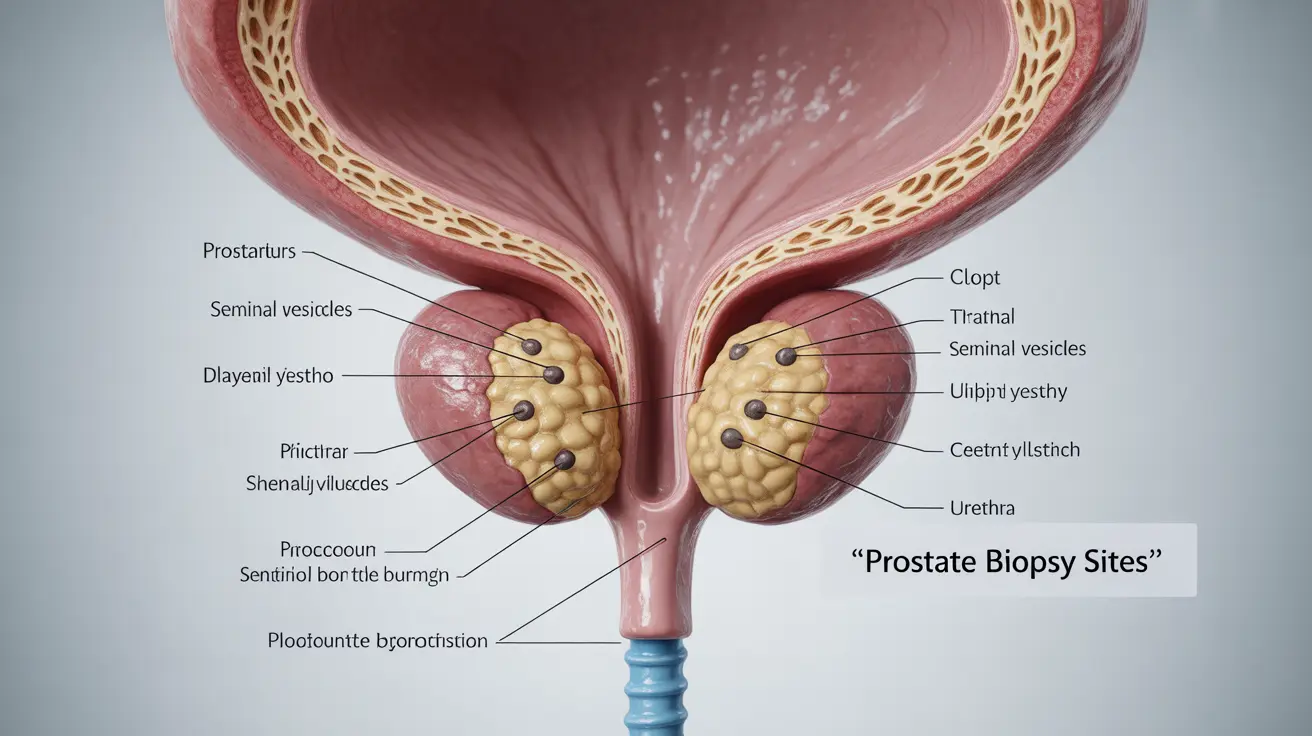
A prostate fusion biopsy represents a significant advancement in prostate cancer detection, combining MRI imaging with real-time ultrasound to provide more accurate tissue sampling. While this innovative procedure offers improved diagnostic capabilities compared to traditional methods, patients naturally have concerns about potential side effects and recovery expectations.
Understanding what to expect after a prostate fusion biopsy can help alleviate anxiety and ensure proper preparation for the recovery process. Like any medical procedure involving tissue sampling, certain side effects are normal and expected, while others may require medical attention.
Common Side Effects Following Prostate Fusion Biopsy
Most men experience mild to moderate side effects after a prostate fusion biopsy, which typically resolve within a few days to weeks. The most frequently reported effects include discomfort in the pelvic area, changes in urination patterns, and the presence of blood in bodily fluids.
Pain or discomfort in the rectum, perineum, or lower abdomen is normal and usually peaks within the first 24-48 hours after the procedure. This discomfort generally responds well to over-the-counter pain medications and gradually diminishes over several days.
Urinary symptoms such as increased frequency, urgency, or mild burning during urination are also common. These effects typically stem from temporary inflammation of the prostate and surrounding tissues and usually improve within a week of the procedure.
Blood-Related Side Effects and Duration
The appearance of blood in urine, semen, or stool is among the most concerning yet normal side effects patients experience. Blood in urine (hematuria) occurs in approximately 90% of patients and can persist for several days to two weeks. The blood may appear bright red initially but typically becomes lighter and eventually clears completely.
Blood in semen (hematospermia) is even more common and can last considerably longer, sometimes persisting for several weeks or even a few months. This occurs because the prostate contributes to seminal fluid production, and the biopsy sites take time to heal completely.
Rectal bleeding may occur if the biopsy was performed through a transrectal approach, though this is less common with modern fusion biopsy techniques that often utilize a transperineal approach. When present, rectal bleeding typically resolves within a few days.
Recovery Timeline and Activity Restrictions
Most patients can resume normal daily activities within 24-48 hours following a prostate fusion biopsy. However, certain restrictions help minimize complications and promote proper healing. Heavy lifting, strenuous exercise, and prolonged sitting should be avoided for the first week after the procedure.
Sexual activity is typically recommended to be postponed for about one week to allow initial healing and reduce the risk of introducing bacteria to the biopsy sites. Swimming and hot tub use should also be avoided during the first week to prevent potential infection.
Most patients can return to work within a day or two, depending on their job requirements. Those with physically demanding occupations may need to take additional time off or request modified duties temporarily.
Managing Complications and When to Seek Medical Attention
While serious complications from prostate fusion biopsies are rare, occurring in less than 1% of cases, it's crucial to recognize warning signs that require immediate medical attention. Fever above 100.4°F (38°C), chills, or flu-like symptoms may indicate infection and should be evaluated promptly.
Inability to urinate or severe urinary retention, though uncommon, requires emergency medical care. Similarly, heavy bleeding from the rectum or passing large blood clots in urine warrants immediate medical evaluation.
Persistent or worsening pain that doesn't respond to prescribed pain medications may also indicate complications and should be reported to your healthcare provider.
Infection Prevention Strategies
Preventing infection is a primary concern both before and after the procedure. Pre-procedure preparation typically includes antibiotic prophylaxis, usually starting one day before the biopsy and continuing for several days afterward. Following the prescribed antibiotic regimen exactly as directed is crucial for infection prevention.
Maintaining proper hygiene is essential during recovery. Gentle cleaning of the biopsy area with mild soap and water helps prevent bacterial accumulation. Avoiding constipation through adequate fluid intake and fiber consumption also reduces strain on the healing tissues.
Patients should avoid inserting anything into the rectum, including suppositories or enemas, unless specifically prescribed by their physician. This precaution helps prevent introducing bacteria to the healing biopsy sites.
Advantages of Fusion Biopsy Technology
Prostate fusion biopsy offers several advantages over traditional random biopsy methods. By combining MRI imaging with real-time ultrasound guidance, this technique allows urologists to target suspicious areas more precisely, increasing the likelihood of detecting clinically significant cancer while reducing the number of tissue samples needed.
This targeted approach often results in more accurate diagnosis and better risk stratification for patients. Additionally, the improved precision may reduce some side effects by minimizing unnecessary tissue sampling in non-suspicious areas of the prostate.
The enhanced accuracy of fusion biopsy technology also helps reduce the need for repeat procedures, sparing patients from additional interventions and associated side effects.
Frequently Asked Questions
What are the most common side effects after a prostate fusion biopsy, and how long do they usually last?
The most common side effects include blood in urine lasting 1-2 weeks, blood in semen persisting for several weeks to months, mild pelvic discomfort for 2-3 days, and temporary urinary symptoms like frequency or urgency lasting about a week. These effects are normal parts of the healing process and gradually resolve without treatment.
How long does it take to recover from a prostate fusion biopsy, and what activities should be avoided during recovery?
Most patients recover within a week, returning to normal activities within 24-48 hours. During the first week, avoid heavy lifting over 10 pounds, strenuous exercise, prolonged sitting, swimming, and sexual activity. These restrictions help prevent complications and promote proper healing of the biopsy sites.
What should I do if I notice blood in my urine, stool, or semen after a prostate fusion biopsy?
Small amounts of blood in these fluids are normal and expected after the procedure. However, contact your doctor immediately if you experience heavy bleeding, passing large blood clots, inability to urinate, or if bleeding is accompanied by fever, severe pain, or other concerning symptoms.
How can the risk of infection or other complications be reduced before and after a prostate fusion biopsy?
Take prescribed antibiotics exactly as directed, maintain good hygiene with gentle cleaning, stay well-hydrated, avoid constipation, and don't insert anything into the rectum unless prescribed. Follow all pre- and post-procedure instructions carefully and attend all scheduled follow-up appointments.
How does a prostate fusion biopsy differ from a traditional prostate biopsy, and what are the benefits for cancer detection?
Fusion biopsy combines MRI imaging with real-time ultrasound to target suspicious areas precisely, unlike traditional random sampling methods. This approach increases detection of clinically significant cancers, reduces unnecessary biopsies of normal tissue, improves diagnostic accuracy, and may result in fewer side effects due to more targeted tissue sampling.