Spider veins, those small web-like clusters of red, blue, or purple veins that appear close to the skin's surface, affect millions of people worldwide. While traditionally treated with laser therapy or sclerotherapy, red light therapy has emerged as a promising alternative treatment option. This non-invasive approach uses specific wavelengths of light to potentially improve circulation and reduce the appearance of these troublesome veins.
Understanding what to expect from red light therapy for spider veins, including realistic before and after results, can help you make an informed decision about this treatment option. Let's explore how this innovative therapy works, what results you might see, and how it compares to traditional laser treatments.
Understanding Spider Veins and Their Causes
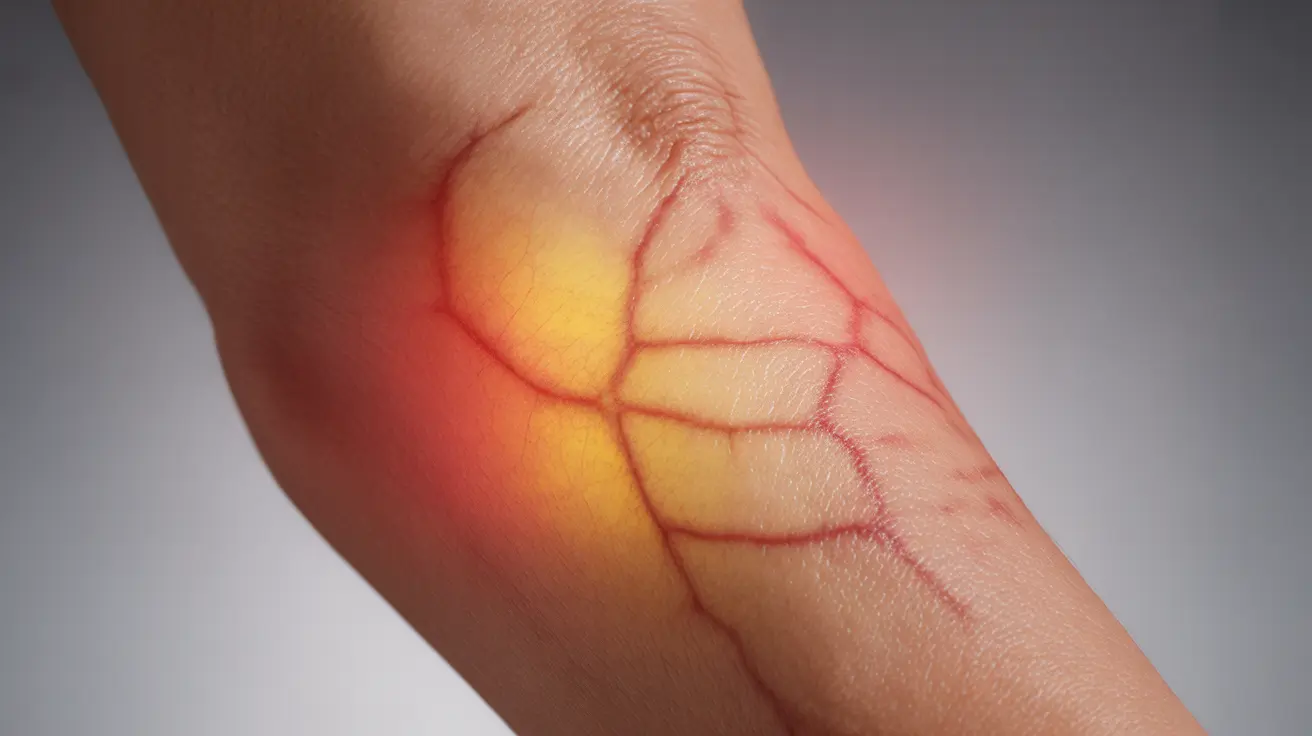
Spider veins develop when small blood vessels near the skin's surface become dilated or damaged. Unlike varicose veins, which are larger and bulge from the skin, spider veins are typically flat and appear as thin, branching lines resembling a spider's web or tree branches.
Several factors contribute to spider vein development, including genetics, hormonal changes, prolonged standing or sitting, pregnancy, and aging. The valves in these small veins may weaken over time, causing blood to pool and the vessels to become more visible through the skin.
While spider veins are generally considered a cosmetic concern rather than a serious medical issue, they can sometimes cause mild discomfort, itching, or burning sensations, particularly after long periods of standing.
How Red Light Therapy Works for Spider Veins
Red light therapy, also known as low-level laser therapy (LLLT) or photobiomodulation, uses specific wavelengths of red and near-infrared light, typically between 630-850 nanometers. This therapeutic light penetrates the skin and is absorbed by cellular components, potentially triggering beneficial biological responses.
For spider veins, red light therapy may work through several mechanisms. The light energy can stimulate cellular metabolism and increase ATP production, which may help improve circulation and strengthen blood vessel walls. Additionally, the therapy may promote collagen production, which can help support the structure of blood vessels and surrounding tissues.
The treatment is non-invasive and painless, making it an attractive option for those seeking gentler alternatives to traditional laser treatments. Sessions typically last 10-20 minutes and can be performed in clinical settings or at home with appropriate devices.
Expected Results: Before and After Red Light Therapy
When considering red light therapy for spider veins, it's important to have realistic expectations about potential outcomes. Unlike more aggressive laser treatments that can provide dramatic results relatively quickly, red light therapy typically produces gradual improvements over time.
During the initial weeks of treatment, you may notice subtle changes in the appearance of spider veins. Some people report that their veins appear less prominent or that the redness begins to fade. However, significant visible changes usually become apparent after 4-8 weeks of consistent treatment.
The most commonly reported improvements include reduced visibility of spider veins, decreased redness or discoloration, improved skin texture in the treated area, and reduced symptoms such as itching or mild discomfort. Complete elimination of spider veins through red light therapy alone is less common than with traditional laser treatments, but many users report satisfactory cosmetic improvements.
Individual results can vary significantly based on factors such as the severity of spider veins, skin type, age, overall health, and consistency of treatment. Those with lighter, newer spider veins may see more dramatic improvements than those with darker, more established veins.
Treatment Timeline and Session Requirements
Red light therapy for spider veins typically requires a consistent treatment schedule over several months to achieve optimal results. Most treatment protocols recommend daily sessions of 10-20 minutes for the first 4-6 weeks, followed by maintenance sessions several times per week.
Unlike traditional laser treatments that may show results after just a few sessions, red light therapy works through cumulative effects. The cellular changes that may lead to improved vein appearance develop gradually, requiring patience and consistency from users.
Professional treatments in clinical settings may use more powerful devices and could potentially provide faster results, though they also come with higher costs. At-home devices offer convenience and long-term cost savings but may require longer treatment periods to achieve similar outcomes.
Safety Considerations and Side Effects
Red light therapy is generally considered safe for most people when used as directed. Unlike more aggressive laser treatments, red light therapy doesn't damage the skin's surface and has minimal risk of scarring or pigmentation changes.
The most commonly reported side effects are mild and temporary, including slight skin warming during treatment, temporary redness that subsides within minutes, and rare instances of eye strain if proper eye protection isn't used. Some individuals with photosensitive conditions or those taking certain medications may need to avoid light therapy treatments.
Pregnant women are typically advised to avoid red light therapy, and those with active cancer should consult with their healthcare provider before beginning treatment. It's always recommended to consult with a healthcare professional before starting any new treatment for vascular conditions.
Frequently Asked Questions
What results can I expect to see before and after laser treatment for spider veins?
Traditional laser treatment for spider veins typically provides more dramatic and faster results than red light therapy. Most people see significant improvement within 2-4 weeks after laser treatment, with spider veins often disappearing completely or becoming barely visible. The treated veins may initially appear darker before fading away. However, laser treatments can cause temporary bruising, swelling, and skin discoloration, with recovery times of 1-2 weeks.
How does red light therapy compare to laser treatment for reducing spider veins?
Red light therapy is gentler and has fewer side effects compared to traditional laser treatment, but it also produces more gradual results. While laser treatment can eliminate spider veins in 1-3 sessions with dramatic before and after differences, red light therapy requires consistent daily use over months and may only reduce the appearance rather than completely eliminate spider veins. Red light therapy is more suitable for those seeking a non-invasive option with minimal downtime.
How many laser sessions are typically needed to effectively remove spider veins?
Traditional laser treatment for spider veins typically requires 1-3 sessions spaced 4-6 weeks apart for optimal results. Smaller, lighter spider veins may respond after just one session, while larger or darker veins may need multiple treatments. Each session usually takes 15-45 minutes depending on the treatment area size. Complete results are typically visible 2-8 weeks after the final session.
Is red light therapy safe and effective for at-home treatment of spider veins?
Red light therapy is generally safe for at-home use when using FDA-cleared devices and following manufacturer instructions. While not as powerful as professional treatments, home devices can provide gradual improvements in spider vein appearance with consistent use. The therapy is non-invasive with minimal side effects, making it suitable for regular home use. However, results may be more subtle and take longer compared to professional laser treatments.
What are the possible side effects of laser treatment for spider veins and how long is the recovery?
Traditional laser treatment side effects can include temporary bruising, swelling, redness, skin darkening, and rarely, blistering or scarring. Most people experience mild discomfort during treatment and some tenderness afterward. Recovery typically takes 1-2 weeks, during which compression stockings may be recommended. Activities like hot baths, sun exposure, and strenuous exercise should be avoided during recovery. Most side effects resolve completely within 2-4 weeks.