Red meat has long been a staple in many diets worldwide, but its impact on health remains a topic of ongoing discussion in the medical community. Understanding the benefits and potential risks of red meat consumption is crucial for making informed dietary choices that support overall health and well-being.
From nutrient-rich steaks to processed deli meats, the category of red meat encompasses a wide range of products with varying health implications. Let's explore the complex relationship between red meat consumption and health, helping you make better-informed decisions about your diet.
Nutritional Profile of Red Meat
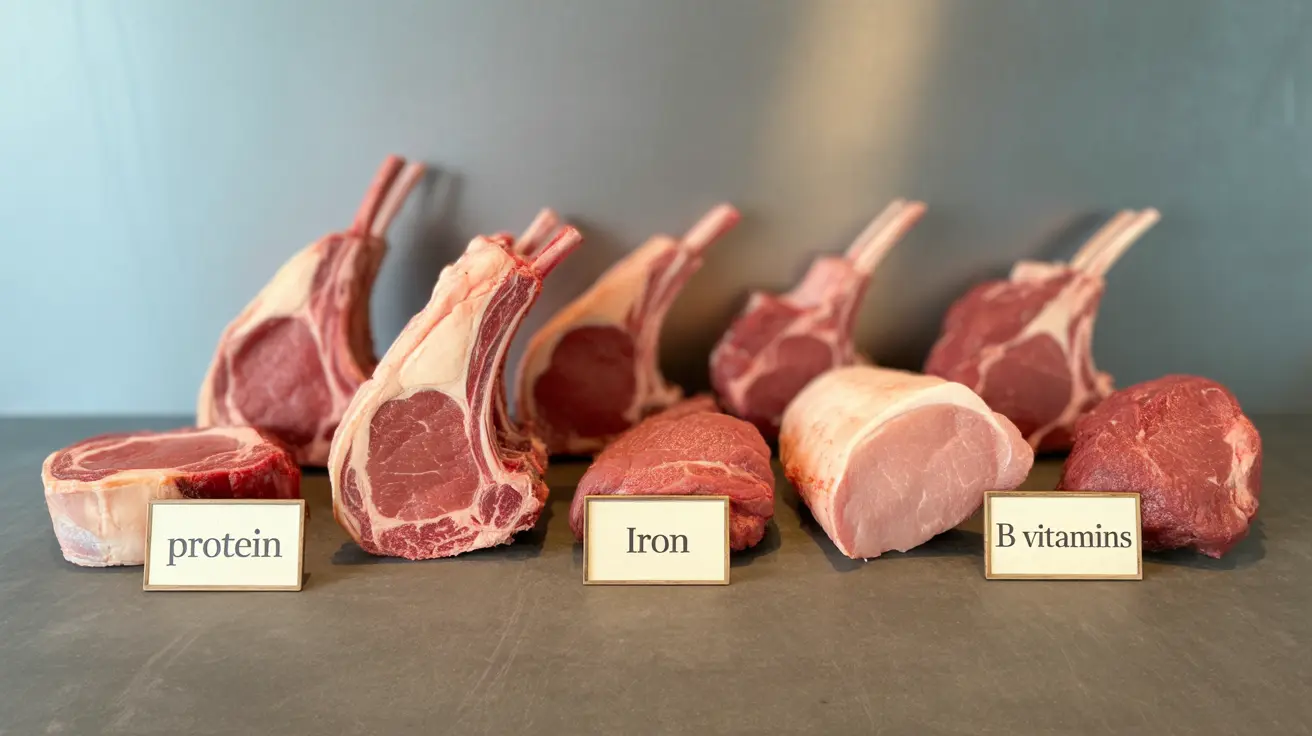
Red meat is a powerhouse of essential nutrients that play vital roles in maintaining good health. It provides high-quality protein, which is crucial for muscle maintenance and growth. Additionally, red meat is one of the best sources of highly bioavailable iron, particularly heme iron, which is more easily absorbed by the body than plant-based iron sources.
- Vitamin B12: Essential for nerve function and DNA synthesis
- Zinc: Important for immune function and wound healing
- Selenium: A powerful antioxidant
- Niacin: Vital for energy metabolism
- Vitamin B6: Necessary for brain function and hemoglobin formation
Understanding Different Types of Red Meat
Unprocessed Red Meat
Unprocessed red meat includes fresh cuts such as:
- Beef steaks
- Lamb chops
- Pork chops
- Fresh ground meat
These options typically contain fewer additives and are generally considered healthier choices when consumed in moderation.
Processed Red Meat
Processed red meat products undergo various preservation methods and often contain additional ingredients:
- Bacon
- Hot dogs
- Deli meats
- Sausages
These products typically contain higher levels of sodium, preservatives, and potentially harmful compounds formed during processing.
Health Implications of Red Meat Consumption
Potential Benefits
When consumed as part of a balanced diet, unprocessed red meat can contribute positively to health by:
- Providing high-quality protein
- Supporting muscle maintenance
- Preventing iron-deficiency anemia
- Contributing to immune system function
- Supporting cognitive health through B-vitamin content
Potential Risks
Regular consumption of red meat, especially processed varieties, has been associated with certain health concerns:
- Increased risk of cardiovascular disease
- Higher likelihood of certain types of cancer
- Potential impact on gut health
- Association with inflammation markers
Guidelines for Healthy Red Meat Consumption
To maximize benefits while minimizing risks, consider these guidelines:
- Choose lean cuts of unprocessed red meat
- Limit portions to 3-4 ounces per serving
- Aim for no more than 2-3 servings per week
- Use healthy cooking methods like grilling, broiling, or roasting
- Balance red meat with plant-based protein sources
Frequently Asked Questions
What are the nutritional benefits of eating red meat?
Red meat provides essential nutrients including high-quality protein, iron, vitamin B12, zinc, and selenium. These nutrients support muscle health, energy production, immune function, and cognitive performance.
How does eating red meat affect the risk of heart disease and cancer?
Regular consumption of red meat, especially processed varieties, may increase the risk of heart disease and certain cancers. This risk is particularly associated with processed meats and high-temperature cooking methods. Moderate consumption of lean, unprocessed red meat poses lower risks.
What types of red meat are healthier to eat and how much should I consume weekly?
Lean, unprocessed cuts like sirloin, tenderloin, and lean ground beef are healthier options. The recommended consumption is 2-3 servings per week, with each serving being about 3-4 ounces (85-113 grams).
Why is processed red meat considered more harmful than unprocessed red meat?
Processed red meat contains additional sodium, preservatives, and potentially harmful compounds formed during processing. These additions, along with the processing methods used, can increase health risks compared to fresh, unprocessed meat.
How can I balance red meat consumption with other protein sources for a healthier diet?
Incorporate diverse protein sources such as fish, poultry, legumes, nuts, and seeds into your diet. Aim to make red meat just one component of your protein intake, not the primary source. Consider having several meatless meals each week to maintain a balanced diet.