Experiencing pain on the right side of your groin can be concerning and uncomfortable, especially when you're unsure about the underlying cause. Right side groin pain female patients experience can stem from various conditions ranging from minor muscle strains to more serious medical issues requiring prompt attention.
The groin area contains multiple structures including muscles, ligaments, lymph nodes, and reproductive organs, making it a complex region where pain can originate from different sources. Understanding the potential causes and recognizing when to seek medical care is crucial for proper treatment and recovery.
Common Causes of Right Side Groin Pain in Women
Several conditions can lead to discomfort in the right groin area. Muscle strains are among the most frequent culprits, often resulting from sudden movements, overuse during exercise, or inadequate warm-up before physical activities. These strains typically affect the adductor muscles that help bring the legs together.
Reproductive health issues also commonly cause right-sided groin pain in women. Ovarian cysts, particularly on the right ovary, can create pressure and discomfort that radiates to the groin region. Additionally, conditions like ovarian torsion or ectopic pregnancy may present with similar symptoms.
Hip joint problems, including arthritis or labral tears, frequently manifest as groin pain since the hip joint is closely connected to this area. Hernias, though less common in women than men, can also develop in the groin region and cause localized pain and swelling.
Recognizing Serious Symptoms That Require Immediate Care
While many cases of right side groin pain resolve with conservative treatment, certain symptoms indicate the need for urgent medical evaluation. Severe, sudden onset pain accompanied by nausea, vomiting, or fever may signal conditions like ovarian torsion or appendicitis.
If you experience intense pain that prevents normal movement, difficulty walking, or pain that worsens rapidly over hours, seek immediate medical attention. Additionally, any groin pain associated with unusual vaginal bleeding, dizziness, or fainting requires prompt evaluation.
Persistent pain lasting more than a few days without improvement, especially when accompanied by swelling or a noticeable lump in the groin area, warrants a medical consultation to rule out more serious conditions.
Effective Treatment Approaches for Muscle Strain
When muscle strain causes right groin pain, the initial treatment typically follows the RICE protocol: Rest, Ice, Compression, and Elevation. Resting the affected area and avoiding activities that worsen the pain allows the muscle fibers to heal properly.
Applying ice packs for 15-20 minutes several times daily during the first 48 hours helps reduce inflammation and pain. After the acute phase, gentle heat application can promote blood flow and healing. Over-the-counter anti-inflammatory medications like ibuprofen can also provide relief while reducing swelling.
As pain subsides, gradual stretching and strengthening exercises help restore flexibility and prevent future injuries. Physical therapy may be beneficial for more severe strains or when pain persists beyond expected healing times.
Understanding Ovarian Cysts and Related Groin Pain
Ovarian cysts are fluid-filled sacs that develop on or within the ovaries. When located on the right ovary, these cysts can cause pain that radiates to the right groin area. Most ovarian cysts are functional and resolve spontaneously within a few menstrual cycles.
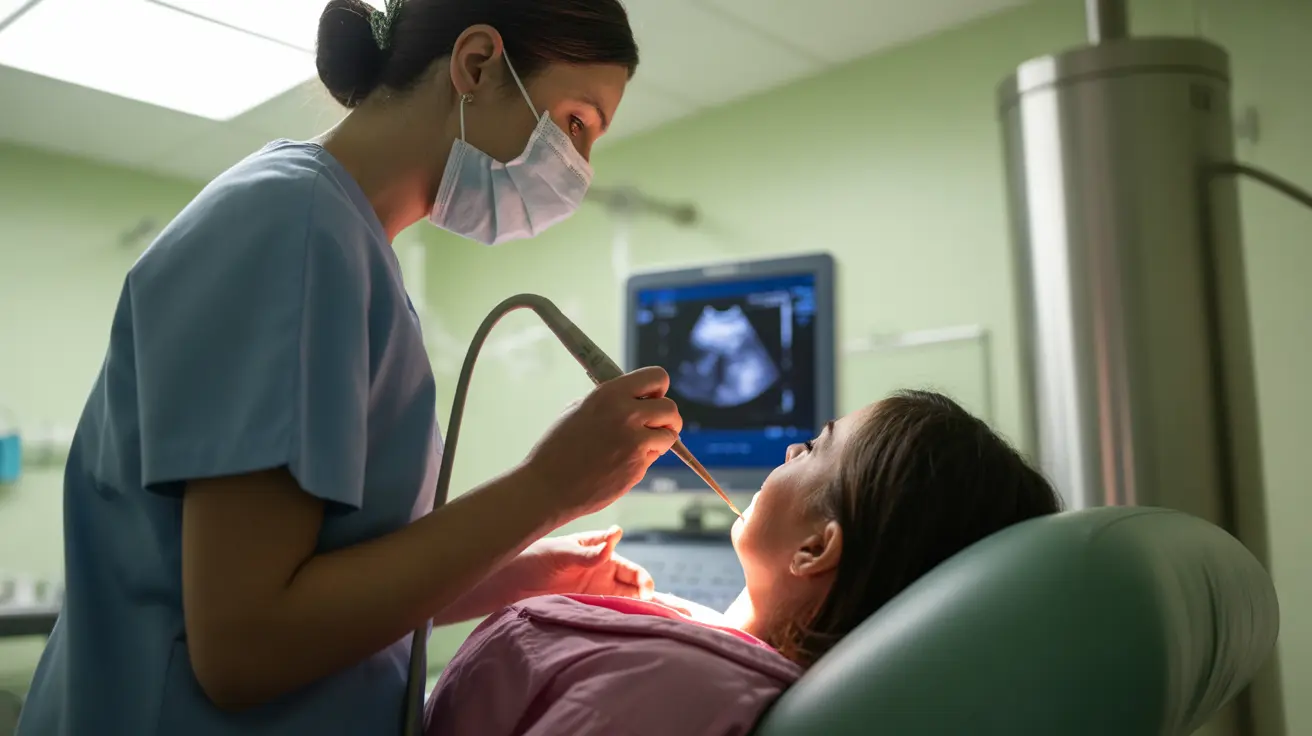
However, larger cysts or those that rupture can cause more intense pain requiring medical management. Treatment options vary depending on cyst size, type, and symptoms. Small, asymptomatic cysts often require only monitoring through regular pelvic examinations and ultrasounds.
For symptomatic cysts causing significant discomfort, hormonal birth control may help prevent new cyst formation. In cases of large, persistent, or complex cysts, surgical removal might be necessary to prevent complications and alleviate pain.
Prevention Strategies for Activity-Related Groin Pain
Preventing exercise-related groin pain starts with proper warm-up routines before physical activities. Dynamic stretching that targets the hip flexors, adductors, and surrounding muscle groups prepares the tissues for movement and reduces injury risk.
Gradually increasing exercise intensity and duration allows your body to adapt progressively, minimizing the likelihood of muscle strains. Maintaining good overall flexibility through regular stretching routines also helps keep the groin muscles supple and less prone to injury.
Strengthening exercises that target the core, hip, and thigh muscles provide better support for the groin area during physical activities. Additionally, wearing appropriate footwear and using proper technique during sports or exercise can significantly reduce strain on the groin muscles.
When to Consult Healthcare Professionals
While minor groin pain often resolves with home care, certain situations require professional medical evaluation. Persistent pain that interferes with daily activities or doesn't improve with rest and conservative measures should be assessed by a healthcare provider.
Women with recurring episodes of right side groin pain may benefit from comprehensive evaluation to identify underlying causes and develop targeted treatment plans. This is particularly important if the pain correlates with menstrual cycles or other reproductive health symptoms.
Early intervention can prevent complications and ensure appropriate treatment for conditions that might worsen without proper medical management.
Frequently Asked Questions
What are the most common causes of right side groin pain in females?
The most common causes include muscle strains from physical activity, ovarian cysts on the right side, hip joint problems, and hernias. Reproductive issues like ovarian torsion or ectopic pregnancy can also cause right-sided groin pain, though these are less common but more serious conditions requiring immediate medical attention.
How can I tell if right side groin pain is serious and requires immediate medical care?
Seek immediate medical care if you experience severe, sudden pain with nausea, vomiting, or fever, or if the pain prevents normal movement and walking. Additionally, groin pain accompanied by unusual vaginal bleeding, dizziness, fainting, or rapid worsening over hours indicates the need for urgent evaluation to rule out serious conditions.
What treatments are effective for muscle strain causing right groin pain in women?
Effective treatments include the RICE protocol (Rest, Ice, Compression, Elevation), over-the-counter anti-inflammatory medications, and gentle stretching once acute pain subsides. Physical therapy may be recommended for severe strains or persistent pain, along with gradual return to activities and strengthening exercises to prevent re-injury.
Can ovarian cysts cause pain on the right side of the groin and how is it treated?
Yes, ovarian cysts on the right ovary can cause pain that radiates to the right groin area. Treatment depends on the cyst size and symptoms, ranging from watchful waiting for small, asymptomatic cysts to hormonal birth control for prevention of new cysts. Large, persistent, or complex cysts may require surgical removal.
How can I prevent or reduce the risk of right side groin pain related to physical activity?
Prevention strategies include proper warm-up with dynamic stretching before exercise, gradually increasing activity intensity, maintaining flexibility through regular stretching, and strengthening core and hip muscles. Using appropriate footwear, proper exercise technique, and listening to your body's signals can also help prevent activity-related groin injuries.