Silicon dioxide, a common additive found in countless food products and dietary supplements, often raises questions among health-conscious consumers. This naturally occurring compound, also known as silica, appears on ingredient labels across a wide range of products, from spice blends to vitamin capsules. Understanding what silicon dioxide is, why it's used, and whether it's safe for consumption can help you make informed decisions about the foods and supplements you choose.
As regulatory agencies continue to evaluate food additives for safety, silicon dioxide maintains its status as a generally recognized as safe (GRAS) substance. However, like many food additives, it's important to understand both its benefits as a manufacturing aid and any potential health considerations associated with its use.
What Is Silicon Dioxide and Its Role in Food Production
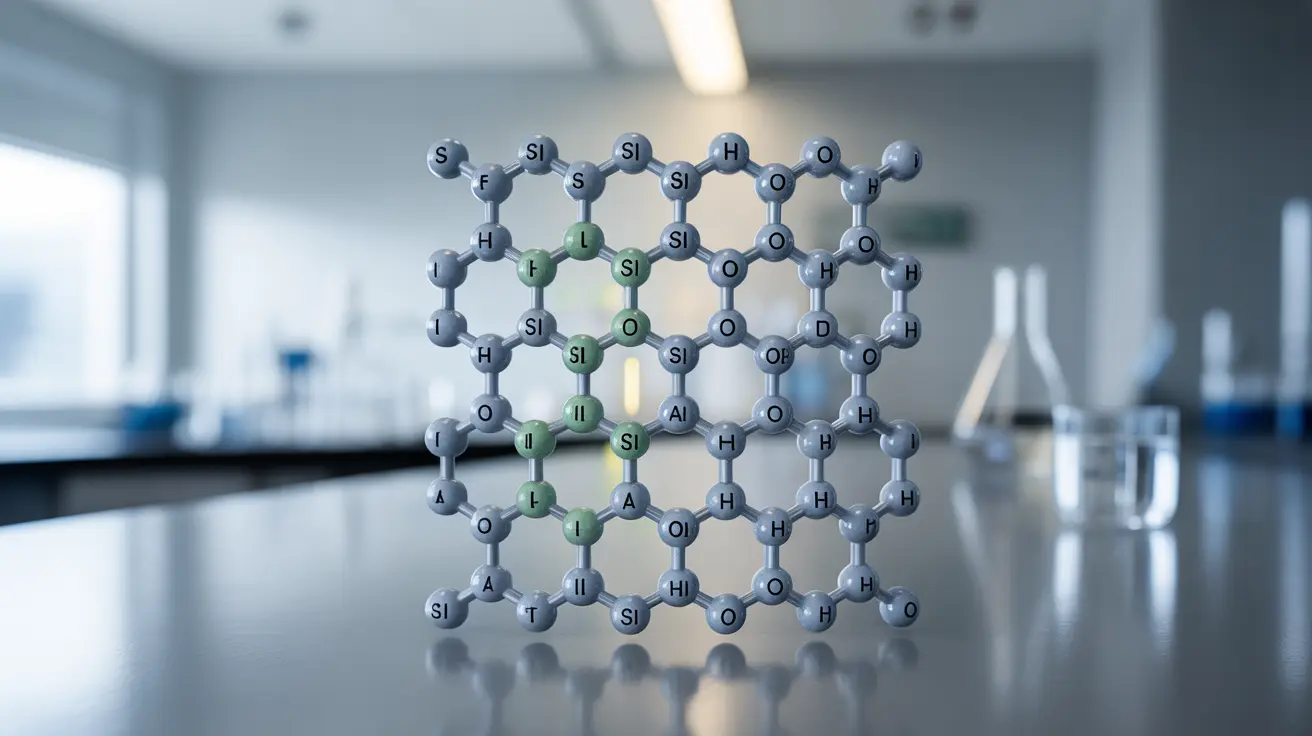
Silicon dioxide is a chemical compound composed of silicon and oxygen atoms, naturally found in sand, quartz, and many minerals. In the food and supplement industry, this compound serves primarily as an anti-caking agent, preventing powdered ingredients from clumping together and maintaining product consistency.
The synthetic form used in food production is created through controlled manufacturing processes to ensure purity and consistency. Unlike naturally occurring silicon dioxide found in the environment, food-grade silicon dioxide undergoes strict quality control measures to meet safety standards for human consumption.
Common Applications in Food and Supplements
Manufacturers add silicon dioxide to a variety of products where maintaining powder flow and preventing moisture absorption are crucial. Spice blends, powdered coffee creamers, and seasoning mixes commonly contain this additive to ensure they pour smoothly and don't form hard clumps during storage.
In dietary supplements, silicon dioxide plays a vital role in tablet and capsule production. It helps maintain uniform distribution of active ingredients, prevents sticking during manufacturing, and ensures consistent dosing in each pill or capsule.
Safety Profile of Silicon Dioxide in Consumption
Extensive research and regulatory review have established silicon dioxide as safe for human consumption when used within approved limits. The compound passes through the digestive system largely unchanged, with minimal absorption into the bloodstream.
The European Food Safety Authority (EFSA) and the U.S. Food and Drug Administration (FDA) have both evaluated silicon dioxide's safety profile extensively. Their findings consistently support its use as a food additive when consumed in typical dietary amounts.
Digestive System Processing
When consumed in food or supplements, silicon dioxide behaves as an inert substance in the digestive tract. The human body lacks the mechanisms to break down this compound significantly, allowing it to pass through the system without accumulating in tissues or organs.
This characteristic actually contributes to its safety profile, as the compound doesn't undergo metabolic changes that could potentially create harmful byproducts or interfere with normal physiological processes.
Inhalation Risks and Occupational Exposure
While consuming silicon dioxide in food products poses minimal health risks, inhaling crystalline silica dust presents serious occupational health concerns. Workers in industries involving sand, glass manufacturing, or construction may face exposure to airborne silica particles that can damage lung tissue over time.
The distinction between food-grade silicon dioxide and industrial silica dust is crucial for understanding health risks. Food-grade silicon dioxide is typically amorphous rather than crystalline, and the particle sizes and exposure routes differ significantly from occupational inhalation hazards.
Respiratory Health Considerations
Long-term inhalation of crystalline silica dust can lead to silicosis, a progressive lung disease characterized by inflammation and scarring of lung tissue. However, this condition results from occupational exposure to airborne particles, not from consuming silicon dioxide in food products.
The amounts and forms of silicon dioxide encountered through normal dietary consumption don't pose respiratory risks, as they enter the body through ingestion rather than inhalation.
Regulatory Standards and Permitted Levels
Food safety agencies worldwide have established specific guidelines for silicon dioxide use in food products. In the United States, the FDA permits silicon dioxide use up to 2% by weight in food products, ensuring safety while allowing effective functionality as an anti-caking agent.
These regulatory limits are based on comprehensive toxicological studies and safety assessments that evaluate both short-term and long-term health effects. The established limits provide substantial safety margins below levels that could potentially cause adverse effects.
International Safety Standards
Similar safety standards exist across international markets, with agencies like the EFSA setting comparable limits for silicon dioxide use in food products. These consistent international standards reflect the global scientific consensus on the compound's safety profile.
Regular review and updating of these standards ensure that safety limits remain current with evolving scientific understanding and manufacturing practices.
Potential Side Effects and Individual Considerations
For the vast majority of people, consuming silicon dioxide within normal dietary amounts produces no noticeable side effects. The compound's inert nature and poor absorption characteristics contribute to its excellent safety profile in healthy individuals.
However, individuals with specific sensitivities or those consuming unusually large amounts of supplements containing silicon dioxide should remain aware of potential digestive discomfort, though such reactions are rare and typically mild.
Special Population Considerations
Pregnant and breastfeeding women, children, and individuals with compromised digestive systems can generally consume products containing silicon dioxide without additional concerns, as regulatory safety assessments include these vulnerable populations.
Those with existing lung conditions should focus on avoiding inhalation exposure to any dust particles, including silicon dioxide, though this relates to respiratory protection rather than dietary consumption.
Frequently Asked Questions
- What is silicon dioxide and why is it added to food and supplements?
Silicon dioxide is a chemical compound made of silicon and oxygen that occurs naturally in sand and quartz. In food and supplements, it's added as an anti-caking agent to prevent powders from clumping together, ensuring products flow smoothly and maintain consistent quality during storage and use.
- Is silicon dioxide safe to consume in dietary supplements and processed foods?
Yes, silicon dioxide is considered safe for consumption in the amounts typically found in food products and dietary supplements. It has been extensively studied and approved by major food safety agencies including the FDA and EFSA, with established safety limits that provide significant margins of safety for consumers.
- Can inhaling silicon dioxide dust cause health problems?
Inhaling crystalline silica dust, particularly in occupational settings, can cause serious lung problems including silicosis. However, the food-grade silicon dioxide used in consumables is different from industrial silica dust and doesn't pose inhalation risks through normal dietary consumption.
- Are there any side effects or risks associated with eating silicon dioxide?
For most people, consuming silicon dioxide in normal dietary amounts causes no side effects. The compound passes through the digestive system largely unchanged and doesn't accumulate in the body. Rare instances of mild digestive discomfort may occur with excessive supplement consumption, but this is uncommon.
- How much silicon dioxide is allowed in food products according to safety regulations?
The FDA permits silicon dioxide use up to 2% by weight in food products in the United States. Similar limits exist internationally, with these levels established based on comprehensive safety studies and providing substantial safety margins below any levels that could potentially cause harm.