Managing type 2 diabetes through proper nutrition doesn't have to be complicated or time-consuming, especially when you're cooking for one. Creating easy meals for diabetics type 2 can be both satisfying and blood sugar-friendly when you understand the right combination of nutrients and portion sizes. The key lies in balancing proteins, healthy fats, and complex carbohydrates while keeping preparation simple and ingredients fresh.
Whether you're newly diagnosed or looking to streamline your meal routine, preparing diabetes-friendly meals for one person presents unique opportunities for portion control and personalized nutrition. With the right strategies and recipes, you can enjoy delicious, varied meals that support stable blood glucose levels without excessive meal prep or food waste.
Understanding Diabetes-Friendly Meal Components
The foundation of easy meals for diabetics type 2 starts with understanding how different nutrients affect blood sugar. Protein helps slow glucose absorption, while fiber from non-starchy vegetables provides volume and nutrients without significant carbohydrate impact. Healthy fats from sources like avocado, nuts, and olive oil contribute to satiety and help moderate blood sugar spikes.
When planning single-serving meals, aim for the plate method: fill half your plate with non-starchy vegetables, one quarter with lean protein, and one quarter with complex carbohydrates or starchy vegetables. This visual guide makes portion control intuitive and ensures balanced nutrition without complicated calculations.
Quick Protein-Vegetable Combinations for Blood Sugar Control
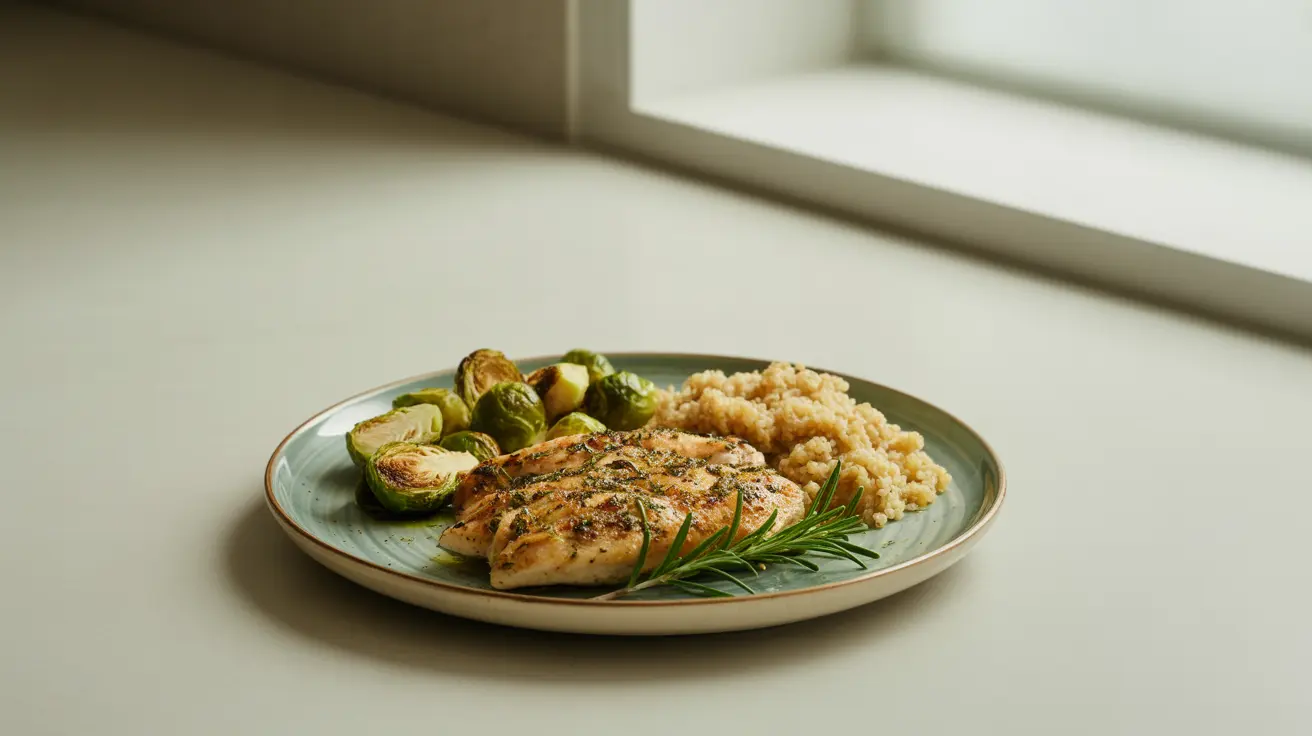
Creating balanced meals becomes effortless when you focus on simple protein and vegetable pairings. Grilled chicken breast with roasted Brussels sprouts and a small portion of quinoa provides complete nutrition in under 30 minutes. Similarly, baked salmon with steamed broccoli and cauliflower rice offers omega-3 fatty acids and fiber-rich vegetables that support stable glucose levels.
Egg-based meals work exceptionally well for single portions. A vegetable omelet with spinach, bell peppers, and mushrooms paired with a slice of whole grain toast creates a satisfying meal rich in protein and nutrients. For variety, try scrambled eggs with sautéed zucchini and tomatoes, topped with fresh herbs and a sprinkle of cheese.
Plant-Based Protein Options
Legumes and tofu provide excellent protein alternatives that pair beautifully with vegetables. A black bean and vegetable stir-fry with minimal brown rice delivers fiber, protein, and complex carbohydrates. Firm tofu cubes sautéed with bok choy, snap peas, and ginger create an Asian-inspired dish that's both flavorful and blood sugar-friendly.
Best Low-Carb Foods for Type 2 Diabetes Meal Plans
Incorporating low-carb foods into your diabetes meal plan helps maintain steady blood glucose while providing essential nutrients. Leafy greens like spinach, kale, and arugula form excellent bases for salads and can be quickly sautéed as side dishes. Cruciferous vegetables including cauliflower, broccoli, and cabbage offer versatility and can substitute for higher-carb ingredients.
Protein-rich low-carb options include fish, poultry, eggs, and cheese. These foods provide minimal carbohydrate impact while supporting muscle health and satiety. Nuts and seeds, while containing some carbs, offer healthy fats and protein in controlled portions. Avocados serve as both a healthy fat source and a creamy addition to meals without significantly raising blood sugar.
Smart Carbohydrate Choices
When including carbohydrates in your meals, choose nutrient-dense options that provide sustained energy. Sweet potatoes, despite containing more carbs than non-starchy vegetables, offer fiber, vitamins, and minerals. A small roasted sweet potato paired with protein creates a balanced meal. Steel-cut oats, quinoa, and wild rice provide complex carbohydrates that digest more slowly than refined grains.
Meal Planning and Prep Strategies for Singles
Effective meal planning for one person with diabetes starts with creating a weekly menu that incorporates variety while minimizing waste. Plan three to four core meals that can be prepared in larger quantities and portioned for multiple days. For example, prepare a large batch of turkey chili that provides several individual portions throughout the week.
Invest in proper storage containers that maintain food freshness and make portion control visible. Glass containers work well for both storage and reheating, while vacuum-sealed bags can extend the life of proteins and prepared vegetables. Batch cooking proteins like grilled chicken, baked fish, or hard-boiled eggs provides ready-to-use components for quick meal assembly.
Smart Shopping Strategies
When shopping for one, focus on versatile ingredients that can create multiple meals. A bag of frozen mixed vegetables can become stir-fry one night and soup the next. Pre-washed salad greens save prep time and reduce waste compared to whole heads of lettuce. Canned beans, low-sodium broth, and frozen proteins provide pantry staples that don't spoil quickly.
Healthy Snacking with Type 2 Diabetes
Snacking can be part of a healthy diabetes management plan when done thoughtfully. The key is choosing snacks that provide protein, healthy fats, or fiber to help maintain stable blood sugar between meals. A small apple with almond butter combines fiber with protein and healthy fats. Greek yogurt with a handful of berries offers probiotics and antioxidants along with protein.
Prepare snack portions in advance to avoid overeating. Pre-cut vegetables with hummus, portion-controlled nuts in small containers, or homemade trail mix with unsweetened coconut and pumpkin seeds provide convenient options. Cheese sticks paired with whole grain crackers create a satisfying combination of protein and complex carbohydrates.
Emergency Snack Options
Keep diabetes-friendly snacks readily available for unexpected hunger or blood sugar dips. Hard-boiled eggs stored in the refrigerator provide quick protein. Nut butter packets paired with celery sticks or small apples travel well and require no refrigeration. Sugar-free gelatin with a dollop of Greek yogurt satisfies sweet cravings while providing protein.
Quick Meal Ideas for Busy Days
When time is limited, simple assembly meals work well for diabetes management. A can of salmon mixed with avocado and served over pre-washed greens creates a nutritious meal in minutes. Rotisserie chicken from the grocery store can be portioned and paired with microwaveable vegetables for instant balanced meals.
Smoothies made with protein powder, leafy greens, and low-glycemic fruits provide complete nutrition in a convenient format. Add chia seeds or ground flaxseed for additional fiber and omega-3 fatty acids. Sheet pan meals with protein and vegetables roasted together minimize cleanup while maximizing nutrition and flavor.
Frequently Asked Questions
What are some easy meal ideas for one person with type 2 diabetes?
Easy single-serving meals include grilled chicken with roasted vegetables, salmon with steamed broccoli and cauliflower rice, vegetable omelets with whole grain toast, and turkey lettuce wraps with avocado. Sheet pan meals combining protein and non-starchy vegetables work well, as do simple stir-fries with tofu or lean meat and minimal brown rice or quinoa.
How can I balance protein and vegetables in my meals to help control blood sugar?
Use the plate method as your guide: fill half your plate with non-starchy vegetables like broccoli, spinach, or bell peppers, and one quarter with lean protein such as chicken, fish, eggs, or tofu. The remaining quarter can include complex carbohydrates. This ratio helps slow glucose absorption and provides sustained energy while supporting stable blood sugar levels.
What are the best low-carb foods to include in a type 2 diabetes meal plan?
Excellent low-carb choices include leafy greens, cruciferous vegetables (broccoli, cauliflower, cabbage), zucchini, bell peppers, lean proteins (fish, poultry, eggs), nuts, seeds, avocados, and cheese. These foods provide essential nutrients while having minimal impact on blood glucose, making them ideal foundations for diabetes-friendly meals.
How do I plan and prep simple, healthy meals for type 2 diabetes without wasting food?
Plan 3-4 core meals per week that use overlapping ingredients, batch cook proteins like grilled chicken or hard-boiled eggs, and invest in proper storage containers. Shop for versatile ingredients like frozen vegetables, canned beans, and pre-washed greens. Prepare larger portions of soups or stews that can be portioned and frozen for future meals.
Can I still enjoy snacks if I have type 2 diabetes, and what are some healthy options?
Yes, snacking can be part of healthy diabetes management. Choose snacks that combine protein, healthy fats, or fiber, such as Greek yogurt with berries, apple slices with almond butter, vegetables with hummus, or a small portion of nuts. Pre-portion snacks to avoid overeating and keep options readily available to prevent impulsive food choices.