A strangulated hernia represents one of the most serious complications that can arise from an existing hernia condition. This medical emergency occurs when the blood supply to herniated tissue becomes completely cut off, creating a life-threatening situation that requires immediate surgical intervention. Understanding the warning signs and knowing when to seek emergency care can make the difference between a successful recovery and potentially fatal consequences.
While many people live with hernias for years without major complications, the development of strangulation transforms a manageable condition into a surgical emergency. This article explores the critical aspects of strangulated hernias, including recognition of symptoms, treatment options, and recovery expectations to help you make informed decisions about your health.
Understanding Hernia Strangulation
Hernia strangulation occurs when the opening through which the hernia protrudes becomes so tight that it compresses the blood vessels supplying the herniated tissue. This compression prevents adequate blood flow, causing the affected tissue to begin dying from lack of oxygen and nutrients. The process can happen gradually or develop rapidly, making early recognition crucial for preventing permanent damage.
The condition most commonly affects inguinal hernias in the groin area, but can occur with any type of hernia including umbilical, incisional, or hiatal hernias. The risk increases with certain factors such as advanced age, heavy lifting, chronic coughing, or previous hernia repairs that may have created scar tissue.
Critical Warning Signs of Strangulation
Recognizing the symptoms of a strangulated hernia is essential for seeking timely medical intervention. The most prominent warning sign is severe, sudden pain at the hernia site that differs significantly from any previous discomfort. This pain typically intensifies rapidly and does not improve with rest or position changes.
Additional critical symptoms include:
- Inability to push the hernia back into the abdomen (irreducibility)
- Nausea and vomiting, particularly if persistent or accompanied by inability to pass gas
- Fever and chills indicating possible infection
- Rapid heart rate and signs of shock
- Visible color changes in the hernia bulge, appearing red, purple, or dark
- Severe tenderness when touching the hernia area
The combination of these symptoms, particularly when they develop suddenly or worsen rapidly, indicates the need for immediate emergency medical attention. Delaying treatment even by hours can result in tissue death and life-threatening complications.
Timeline of Complications
The progression from strangulation to life-threatening complications can occur surprisingly quickly. Once blood flow becomes completely compromised, tissue begins to die within 6 to 8 hours. However, the timeline can vary depending on factors such as the individual's overall health, the size of the strangulated tissue, and the degree of compression.
Within the first 24 hours of strangulation, the affected tissue may become necrotic, requiring surgical removal. If left untreated beyond this point, the dead tissue can become infected, leading to gangrene and potentially fatal sepsis. The infection can spread throughout the abdominal cavity, creating peritonitis, a condition that carries significant mortality risk even with aggressive treatment.
The rapid progression underscores why medical professionals consider strangulated hernia a true surgical emergency, often requiring operation within hours of diagnosis to prevent irreversible complications.
Distinguishing Incarcerated from Strangulated Hernias
Understanding the difference between an incarcerated hernia and a strangulated hernia is important for assessing the urgency of medical intervention. An incarcerated hernia occurs when the herniated tissue becomes trapped and cannot be pushed back into the abdominal cavity, but blood flow remains intact. While uncomfortable and requiring medical attention, incarcerated hernias are not immediately life-threatening.
Strangulated hernias represent the progression of incarceration where the trapped tissue loses its blood supply. The key distinguishing features of strangulation include severe pain that worsens rapidly, signs of tissue death such as color changes, and systemic symptoms like fever, nausea, and vomiting. While incarcerated hernias may cause discomfort and some nausea, they typically do not produce the severe pain and rapid deterioration seen with strangulation.
Both conditions require surgical repair, but strangulated hernias demand emergency intervention while incarcerated hernias can sometimes be managed with urgent but not emergent surgery, depending on symptoms and duration.
Treatment Approaches and Surgical Necessity
Surgery is the only effective treatment for a strangulated hernia. Unlike other hernia complications that might be managed conservatively in certain circumstances, strangulation requires immediate surgical intervention to restore blood flow and prevent tissue death. Non-surgical approaches such as manual reduction, pain medication, or observation are not appropriate and can be dangerous when strangulation is present.
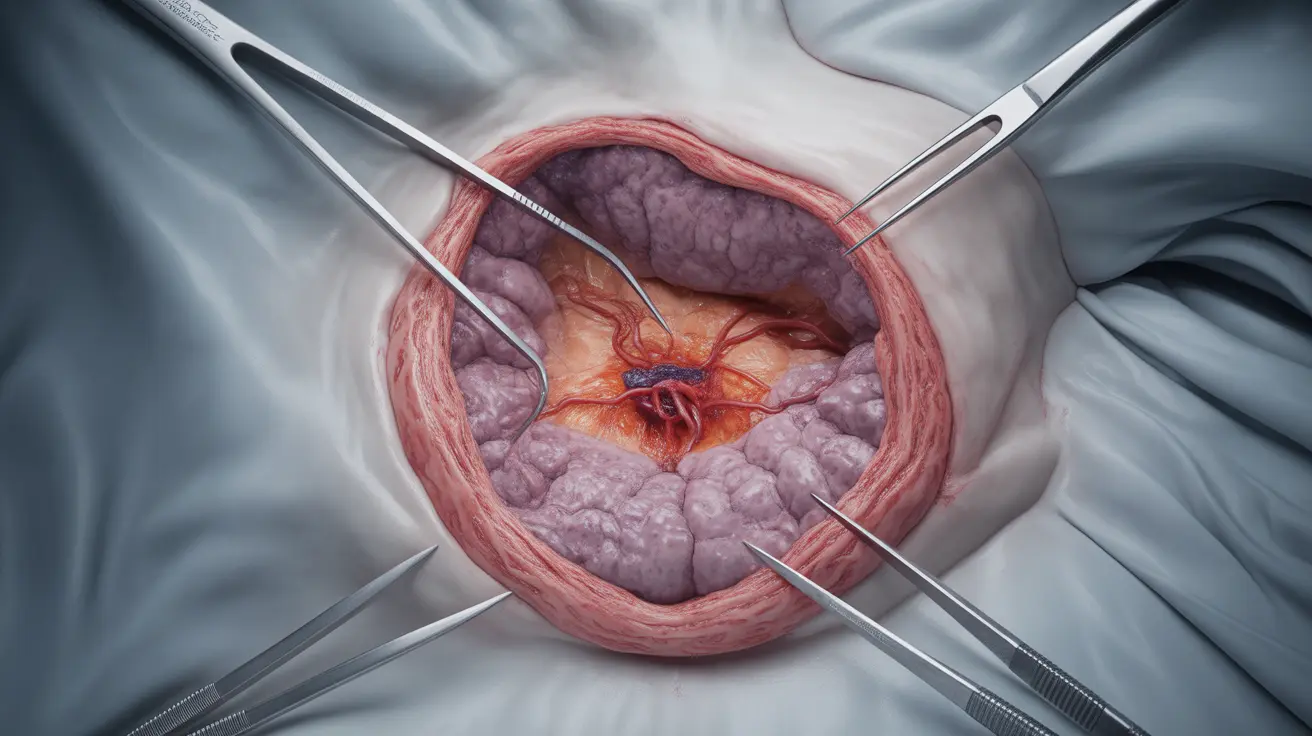
The surgical procedure involves carefully examining the strangulated tissue to assess its viability. If the tissue appears healthy once blood flow is restored, the surgeon will repair the hernia using mesh or sutures to strengthen the abdominal wall. However, if portions of the tissue have died due to prolonged lack of blood flow, these necrotic areas must be surgically removed.
In cases involving bowel strangulation, the surgeon may need to remove sections of damaged intestine and reconnect the healthy portions. This more complex procedure, called bowel resection and anastomosis, may require a longer recovery period but is necessary to prevent infection and ensure proper digestive function.
Recovery and Long-Term Prognosis
The prognosis for strangulated hernia repair depends largely on how quickly treatment is received and whether tissue death occurred before surgery. When treated promptly within the first few hours of symptom onset, most patients experience excellent recovery with minimal complications. The surgical repair is typically successful, and normal activities can often be resumed within 4 to 6 weeks.
Recovery outcomes are generally favorable when surgery occurs before significant tissue death. Patients can expect some initial discomfort and swelling at the surgical site, but these symptoms typically resolve within the first week. Following post-operative instructions regarding activity restrictions, wound care, and follow-up appointments is crucial for optimal healing.
However, delayed treatment can result in more complex surgery and longer recovery times. Patients who require bowel resection may face additional risks and a more extended healing process. Long-term complications such as adhesions, chronic pain, or digestive issues are more likely when extensive tissue removal was necessary during the emergency surgery.
Frequently Asked Questions
What are the warning signs that a hernia has become strangulated and needs emergency care?
The primary warning signs include sudden, severe pain at the hernia site that worsens rapidly, inability to push the hernia back into the abdomen, persistent nausea and vomiting, fever, and visible color changes in the hernia bulge appearing red, purple, or dark. These symptoms often develop quickly and require immediate emergency medical attention to prevent life-threatening complications.
How quickly can a strangulated hernia become life-threatening if left untreated?
A strangulated hernia can become life-threatening within 6 to 24 hours if left untreated. Tissue begins to die within 6 to 8 hours once blood flow is completely compromised, and infection can develop within 24 hours, potentially leading to sepsis and peritonitis, which carry significant mortality risks even with aggressive treatment.
What is the difference between an incarcerated hernia and a strangulated hernia?
An incarcerated hernia occurs when herniated tissue becomes trapped and cannot be pushed back into the abdomen, but blood flow remains intact. A strangulated hernia is a progression of incarceration where the trapped tissue loses its blood supply completely. Strangulated hernias cause severe, rapidly worsening pain and systemic symptoms, while incarcerated hernias typically produce milder discomfort without signs of tissue death.
Can a strangulated hernia be treated without surgery, or is surgery always necessary?
Surgery is always necessary for a strangulated hernia. This is a true surgical emergency that requires immediate operative intervention to restore blood flow and prevent tissue death. Non-surgical treatments such as manual reduction, pain medication, or observation are inappropriate and dangerous when strangulation is present, as delays can result in tissue death and life-threatening complications.
What are the chances of recovering fully after emergency surgery for a strangulated hernia?
Recovery chances are excellent when surgery is performed promptly within the first few hours of symptom onset, before significant tissue death occurs. Most patients experience successful repair and return to normal activities within 4 to 6 weeks. However, delayed treatment requiring extensive tissue removal may result in longer recovery times and potential long-term complications such as chronic pain or digestive issues.