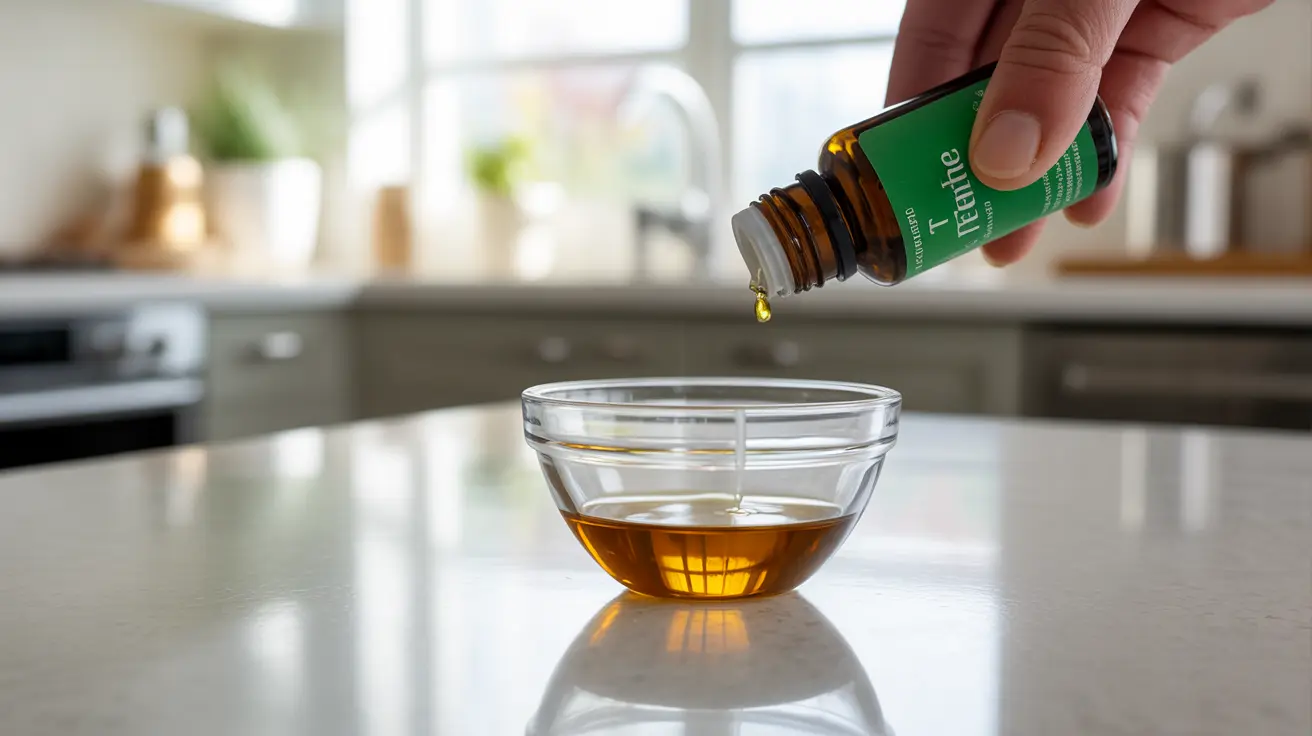
Tea tree oil has become a popular natural remedy for various skin conditions, offering antimicrobial and anti-inflammatory properties that can benefit many people. Extracted from the leaves of the Melaleuca alternifolia plant native to Australia, this essential oil has been used for centuries in traditional medicine and continues to gain recognition in modern skincare routines.
Understanding how to properly use tea tree oil for skin care is essential for maximizing its benefits while avoiding potential side effects. This comprehensive guide explores the safe application methods, effectiveness for different skin conditions, and important considerations for incorporating this powerful essential oil into your skincare regimen.
Understanding Tea Tree Oil's Skin Benefits
Tea tree oil contains compounds called terpenes, particularly terpinen-4-ol, which provide its therapeutic properties. These natural chemicals work by penetrating the skin to reduce inflammation, fight bacteria, and promote healing. The oil's antimicrobial action makes it effective against various microorganisms that can cause skin problems, including bacteria, fungi, and certain viruses.
Research has demonstrated that tea tree oil possesses both bacteriostatic and bactericidal properties, meaning it can both inhibit bacterial growth and kill existing bacteria. This dual action makes it particularly valuable for treating skin conditions where bacterial overgrowth contributes to the problem.
Safe Dilution Methods for Skin Application
Proper dilution is crucial when using tea tree oil for skin care, as undiluted essential oil can cause irritation, burns, or allergic reactions. The concentration you choose should depend on your skin sensitivity and the specific condition you're treating.
For general skincare purposes, dilute tea tree oil to a 5-10% concentration by mixing it with a carrier oil such as jojoba, coconut, or sweet almond oil. This typically means adding 1-2 drops of tea tree oil to every teaspoon of carrier oil. For sensitive skin or facial application, start with a lower concentration of 1-2%.
When treating specific skin conditions like acne, you may use slightly higher concentrations, but never exceed 15% without professional guidance. Always perform a patch test on a small area of skin before applying tea tree oil to larger areas, waiting 24 hours to check for any adverse reactions.
Tea Tree Oil for Acne Treatment
Acne develops when pores become clogged with oil, dead skin cells, and bacteria, particularly Propionibacterium acnes. Tea tree oil's antimicrobial properties make it an effective natural acne treatment by targeting these bacteria while reducing inflammation associated with breakouts.
Clinical studies have shown that tea tree oil can be as effective as benzoyl peroxide for treating mild to moderate acne, though it may work more slowly. A 5% tea tree oil gel applied twice daily has been shown to significantly reduce both inflammatory and non-inflammatory acne lesions over a 12-week period.
Compared to conventional acne treatments, tea tree oil typically causes fewer side effects such as dryness, peeling, or irritation. However, it may take longer to see results, with improvements often becoming noticeable after 4-6 weeks of consistent use.
Benefits for Dry Skin and Eczema
While tea tree oil is known for its antimicrobial properties, it can also benefit dry skin conditions when used appropriately. The oil's anti-inflammatory effects help reduce redness and irritation associated with eczema and dermatitis, while its ability to fight secondary bacterial infections can prevent complications in compromised skin.
For eczema management, tea tree oil should be heavily diluted and used in combination with moisturizing carrier oils. The carrier oils provide necessary hydration while the tea tree oil addresses inflammation and potential bacterial overgrowth that can worsen eczema symptoms.
When dealing with itchy skin, tea tree oil's cooling and anti-inflammatory properties can provide relief. However, it's important to address the underlying cause of itchiness and use tea tree oil as part of a comprehensive skincare routine that includes proper moisturizing and gentle cleansing practices.
Safety Considerations for Sensitive and Inflamed Skin
Using tea tree oil on inflamed or sensitive skin requires extra caution and proper preparation. Inflamed skin has a compromised barrier function, making it more susceptible to irritation from essential oils. Before applying tea tree oil to inflamed areas, ensure the concentration is very low (1-2%) and the carrier oil is soothing and non-comedogenic.
Signs that tea tree oil may be too strong for your skin include increased redness, burning sensations, excessive dryness, or the development of contact dermatitis. If any of these symptoms occur, discontinue use immediately and consult with a dermatologist if symptoms persist.
Certain individuals should avoid tea tree oil entirely, including pregnant or breastfeeding women, young children, and people with known allergies to plants in the Myrtaceae family. Always consult healthcare professionals before using tea tree oil if you have existing skin conditions or are taking medications that affect skin sensitivity.
Wound Healing and Infection Prevention
Tea tree oil's antimicrobial properties make it valuable for supporting wound healing and preventing skin infections. The oil can help keep minor cuts, scrapes, and abrasions clean while promoting the natural healing process. Its anti-inflammatory effects also help reduce swelling and pain associated with minor wounds.
For wound care applications, use a very dilute solution (2-5%) and apply it only to clean wounds. Never apply tea tree oil to deep wounds, puncture wounds, or serious injuries that require medical attention. The oil is most effective for superficial wounds and can help prevent bacterial contamination that might delay healing.
Research has shown that tea tree oil can enhance the healing of minor skin injuries by promoting cell regeneration and reducing the risk of secondary infections. However, it's important to maintain proper wound care practices, including keeping the area clean and covered as appropriate.
Application Techniques and Best Practices
Successful use of tea tree oil for skin care involves proper application techniques and consistency. Start with clean skin and hands to prevent introducing additional bacteria. Apply diluted tea tree oil using clean cotton swabs, gauze, or your fingertips, depending on the area being treated.
For acne treatment, apply the diluted oil only to affected areas rather than the entire face. For larger areas or body application, use gentle circular motions to distribute the oil evenly. Allow the oil to absorb completely before applying other skincare products or makeup.
Timing of application can affect results. Many people find that applying tea tree oil treatments in the evening allows the skin to recover overnight without exposure to environmental stressors. However, if using during the day, always follow with sunscreen, as essential oils can increase photosensitivity.
Frequently Asked Questions
How should I dilute tea tree oil for safe use on my skin?
Dilute tea tree oil to 5-10% concentration for general use by mixing 1-2 drops with one teaspoon of carrier oil like jojoba or coconut oil. For sensitive skin or facial use, start with 1-2% concentration. Always perform a patch test first and never use undiluted tea tree oil directly on skin.
Can tea tree oil help with acne and how effective is it compared to other treatments?
Yes, tea tree oil can effectively treat acne by fighting bacteria and reducing inflammation. Studies show 5% tea tree oil gel is as effective as benzoyl peroxide for mild to moderate acne, though it works more slowly. It typically causes fewer side effects but may take 4-6 weeks to show noticeable results.
What are the benefits of tea tree oil for dry skin, eczema, and itchy skin?
Tea tree oil provides anti-inflammatory benefits that can reduce redness and irritation in eczema and dry skin conditions. When heavily diluted and combined with moisturizing carrier oils, it helps address inflammation and prevents secondary bacterial infections while the carrier oils provide necessary hydration.
Is tea tree oil safe to use on inflamed or sensitive skin areas?
Tea tree oil requires extra caution on inflamed or sensitive skin. Use very low concentrations (1-2%) with soothing carrier oils, and monitor for increased irritation. Discontinue use if you experience burning, excessive dryness, or worsening inflammation, and consult a dermatologist if symptoms persist.
How can tea tree oil aid in wound healing and preventing skin infections?
Tea tree oil supports wound healing through its antimicrobial properties, which help keep minor cuts and scrapes clean while reducing infection risk. Its anti-inflammatory effects also decrease swelling and pain. Use 2-5% dilution on clean, superficial wounds only, and maintain proper wound care practices alongside tea tree oil application.