Thigh reduction surgery, also known as thighplasty, is a transformative cosmetic procedure designed to reshape and contour the thighs by removing excess skin and fat. This surgical intervention can help individuals achieve more proportionate, toned legs and improved body confidence. For many people who have experienced significant weight loss or are dealing with age-related skin laxity, thigh reduction surgery can be a life-changing solution.
If you're considering this procedure, it's essential to understand what it involves, who makes an ideal candidate, and what to expect throughout the surgical journey. This comprehensive guide will walk you through everything you need to know about thigh reduction surgery.
Types of Thigh Reduction Procedures
Thigh reduction surgery comes in several variations, each targeting specific areas and concerns:
Inner (Medial) Thigh Lift
This procedure focuses on the inner thigh area, removing excess skin and fat through an incision in the groin crease. It's particularly effective for addressing skin laxity in the upper thigh region and can help reduce friction between the thighs.
Bilateral Thigh Lift
This more extensive procedure addresses both the inner and outer thighs, creating a more comprehensive improvement in thigh contour. The incisions typically extend from the groin around to the hip area.
Vertical Thigh Lift
For patients with significant excess skin, especially after massive weight loss, this technique involves a vertical incision from the groin to the knee, allowing for more dramatic reshaping of the entire thigh.
Preparing for Thigh Reduction Surgery
Proper preparation is crucial for optimal surgical outcomes:
- Maintain a stable weight for at least 6 months
- Stop smoking at least 6 weeks before surgery
- Undergo required medical evaluations
- Adjust medications as directed by your surgeon
- Arrange for post-surgery support and transportation
The Surgical Process
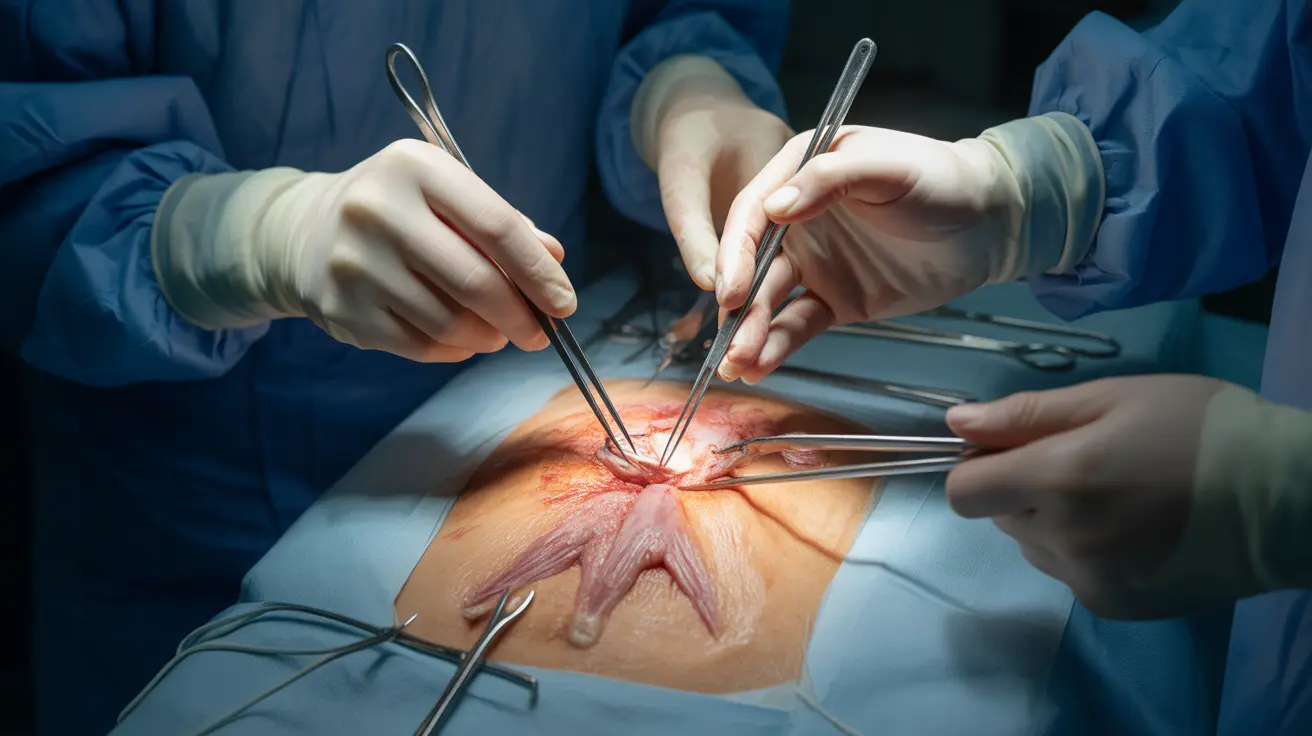
Thigh reduction surgery is typically performed under general anesthesia and can take 2-3 hours, depending on the extent of the procedure. The surgeon will make carefully planned incisions, remove excess skin and fat, and reposition the remaining tissue to create a more contoured appearance.
Recovery and Aftercare
Recovery from thigh reduction surgery requires patience and careful attention to post-operative instructions:
- Initial recovery period: 2-3 weeks
- Return to work: Usually possible after 2-3 weeks
- Full activity resumption: 6-8 weeks
- Compression garments: Worn for 4-6 weeks
- Regular follow-up appointments with your surgeon
Frequently Asked Questions
What is thigh reduction surgery and who is a good candidate for it?
Thigh reduction surgery is a cosmetic procedure that removes excess skin and fat from the thighs. Ideal candidates are individuals at a stable weight who have excess skin laxity in their thighs, are in good overall health, and have realistic expectations about the results.
What are the different types of thigh lift procedures and how do they differ?
The main types include inner thigh lifts (focusing on the medial thigh area), bilateral thigh lifts (addressing both inner and outer thighs), and vertical thigh lifts (for more extensive reshaping). Each type is chosen based on the patient's specific needs and desired outcomes.
What should I expect during recovery after thigh reduction surgery?
Recovery typically involves 2-3 weeks of initial healing, wearing compression garments, managing discomfort with prescribed medications, and gradually returning to normal activities. Most patients can return to work after 2-3 weeks, with full activity resumption after 6-8 weeks.
What are the common risks and complications associated with thigh lift surgery?
Common risks include infection, bleeding, poor wound healing, asymmetry, seroma (fluid accumulation), numbness, and scarring. While these complications are possible, they can be minimized by choosing a board-certified plastic surgeon and following all post-operative instructions carefully.
How long do the results of a thigh lift last and will there be visible scars?
Results can be long-lasting if you maintain a stable weight and healthy lifestyle. While scarring is inevitable, incisions are strategically placed to be as discreet as possible. Scars typically fade significantly over time with proper care and protection from sun exposure.