The tibialis anterior muscle plays a crucial role in lower leg function and mobility, yet many people are unfamiliar with this essential anatomical structure. This powerful muscle contributes significantly to everyday movements like walking, running, and maintaining balance.
Understanding where the tibialis anterior muscle is located and how it functions can help you better appreciate its importance in daily activities and recognize potential problems when they arise.
Anatomical Location and Structure
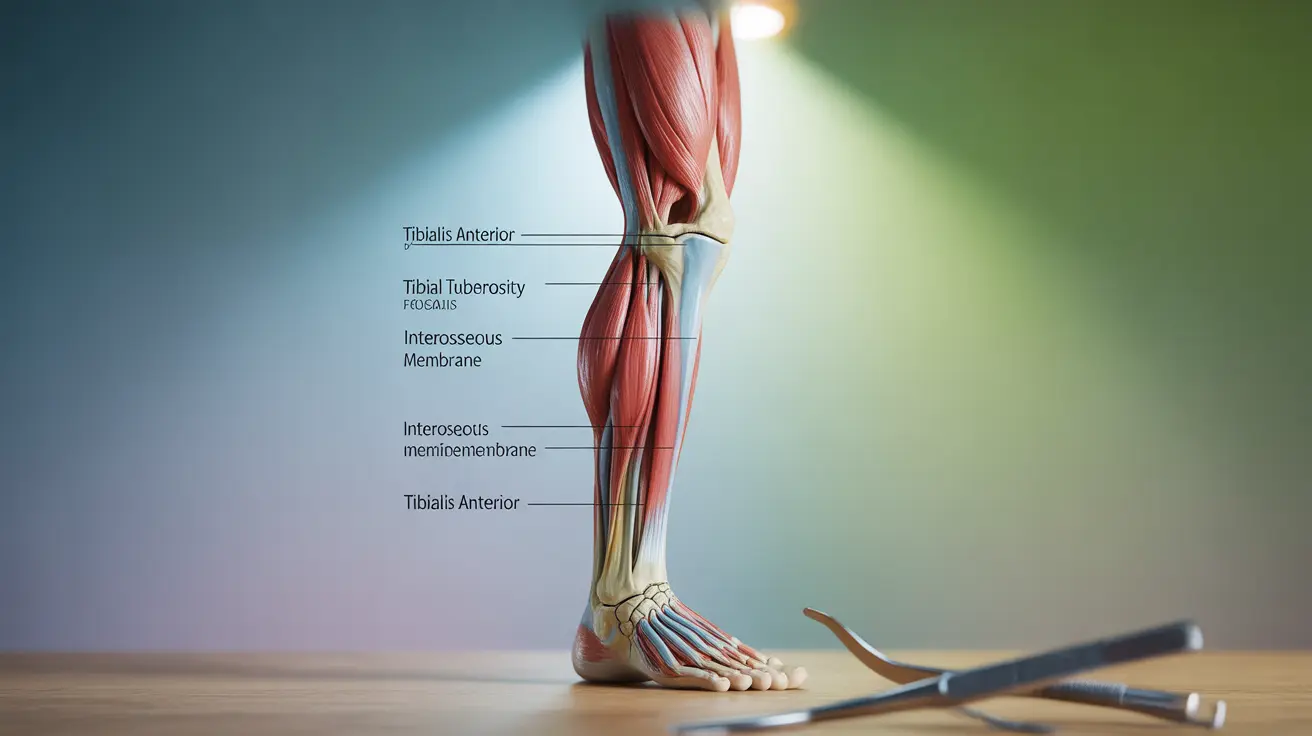
The tibialis anterior muscle is prominently situated on the front (anterior) portion of the lower leg, running alongside the shin bone (tibia). It originates near the top of the tibia and extends downward, becoming a strong tendon that crosses the ankle and attaches to bones in the foot.
This muscle is the largest and most lateral (outer) muscle in the anterior compartment of the leg. Its position makes it easily visible and palpable beneath the skin, especially when actively flexing the foot upward.
Primary Functions and Movement Patterns
The tibialis anterior muscle serves several essential functions in lower leg movement and stability:
- Dorsiflexion (lifting the foot upward)
- Foot inversion (turning the sole inward)
- Controlling foot placement during walking
- Maintaining balance while standing
During walking, this muscle is particularly active during the heel-strike and swing phases, helping to clear the foot off the ground and prepare for the next step.
Role in Gait and Stability
The tibialis anterior muscle is fundamental to normal walking patterns and overall lower leg stability. It works continuously during walking to:
- Control the landing of the foot after heel strike
- Prevent foot slap during the stance phase
- Lift the foot during the swing phase
- Maintain proper arch support
Common Problems and Symptoms
When the tibialis anterior muscle is compromised, several symptoms may arise:
- Foot drop (difficulty lifting the front of the foot)
- Pain along the shin area
- Weakness when lifting the foot
- Altered walking pattern
- Increased risk of tripping or falling
Maintaining Muscle Health
To keep the tibialis anterior muscle functioning optimally, consider these preventive measures:
- Regular stretching exercises
- Proper footwear selection
- Gradual increase in exercise intensity
- Attention to proper walking mechanics
- Strengthening exercises when appropriate
Frequently Asked Questions
Where exactly is the tibialis anterior muscle located on the lower leg?
The tibialis anterior muscle is located on the front of the lower leg, just outside (lateral) to the shin bone. It runs from just below the knee to the top of the foot, forming the muscular portion of the shin area.
What are the main functions of the tibialis anterior muscle in foot movement?
The main functions include lifting the foot upward (dorsiflexion), turning the foot inward (inversion), and controlling foot placement during walking. It's essential for clearing the foot during the swing phase of walking and controlling foot placement during heel strike.
How can damage to the tibialis anterior muscle affect walking or gait?
Damage to this muscle can result in foot drop, making it difficult to lift the front of the foot while walking. This can lead to tripping, altered gait patterns, and increased fall risk. People may compensate by lifting their knee higher than normal to clear the foot.
What symptoms indicate a problem with the tibialis anterior muscle?
Common symptoms include weakness when lifting the foot, pain along the front of the lower leg, difficulty walking normally, increased tripping, and fatigue during activities requiring foot lifting.
How is the tibialis anterior muscle involved in maintaining the foot's arch and stability?
The tibialis anterior muscle helps maintain proper foot arch alignment through its role in foot inversion and stabilization. It works continuously during standing and walking to provide dynamic support to the medial arch of the foot.