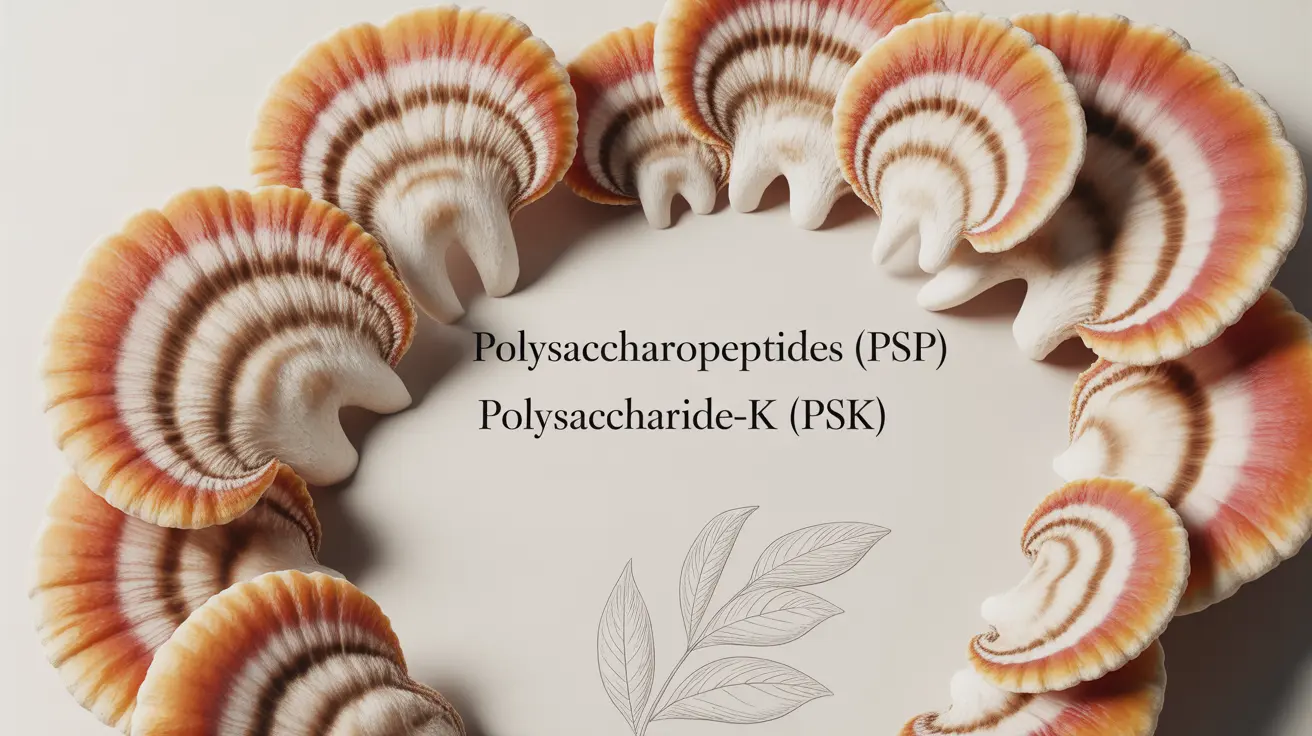
Turkey tail mushrooms have garnered significant attention in the medical community for their potential supportive role in cancer care. These remarkable fungi, scientifically known as Trametes versicolor, have been used in traditional medicine for centuries and are now being studied extensively for their immune-boosting properties and possible benefits for cancer patients.
Modern research has begun to unlock the scientific basis behind these traditional uses, particularly focusing on compounds called polysaccharopeptides (PSP) and polysaccharide-K (PSK) found in turkey tail mushrooms. These components have shown promising results in supporting immune function during cancer treatment.
Understanding Turkey Tail Mushrooms and Their Active Compounds
Turkey tail mushrooms contain several bioactive compounds that may benefit cancer patients. The two most studied components are:
- PSP (Polysaccharopeptide)
- PSK (Polysaccharide-K)
- Beta-glucans
- Antioxidants
These compounds work primarily by modulating the immune system and potentially helping the body's natural defense mechanisms against cancer cells. Research suggests they may also have antioxidant properties that could protect healthy cells during treatment.
Scientific Evidence and Clinical Research
Multiple clinical studies have investigated the potential benefits of turkey tail mushrooms in cancer care. Research has shown particularly promising results when these mushrooms are used as a complementary therapy alongside conventional cancer treatments.
Some key findings include:
- Improved immune system response during chemotherapy
- Better tolerance of conventional cancer treatments
- Potential quality of life improvements for cancer patients
- Possible extended survival rates in some cancer cases
Safety Considerations and Proper Usage
While turkey tail mushrooms show promise in supporting cancer treatment, it's crucial to understand proper usage and potential risks. These supplements should always be taken under medical supervision, particularly during cancer treatment.
Recommended Usage Guidelines
The appropriate dosage can vary depending on various factors, including:
- Type of cancer
- Stage of treatment
- Overall health condition
- Other medications being taken
- Form of supplement (extract, powder, or tea)
Potential Side Effects and Interactions
While generally considered safe, some people may experience mild side effects such as:
- Digestive discomfort
- Darkened stools
- Possible allergic reactions in sensitive individuals
Integration with Conventional Cancer Treatment
Turkey tail mushrooms should be viewed as a complementary therapy rather than an alternative to conventional cancer treatment. They may work best when integrated into a comprehensive cancer care plan under medical supervision.
Frequently Asked Questions
What are the potential benefits of turkey tail mushrooms for cancer patients? Turkey tail mushrooms may help boost immune function, reduce treatment side effects, and potentially improve quality of life during cancer treatment. They contain compounds that can support the body's natural defense mechanisms against cancer cells.
How do turkey tail mushrooms help boost the immune system during cancer treatment? Turkey tail mushrooms contain PSK and PSP, compounds that stimulate various immune system components, including natural killer cells and T-cells. This immune enhancement may help the body better respond to cancer treatment.
Are there any known side effects or risks of using turkey tail mushroom supplements for cancer? While generally safe, some people may experience mild digestive issues or allergic reactions. It's essential to use quality supplements and consult healthcare providers, as interactions with medications are possible.
Can turkey tail mushrooms be used as a replacement for conventional cancer therapies? No, turkey tail mushrooms should not replace conventional cancer treatments. They should only be used as a complementary therapy alongside standard medical care under professional guidance.
How should turkey tail mushrooms be taken safely alongside chemotherapy or radiation? Turkey tail supplements should be taken under medical supervision, with dosage and timing coordinated with your treatment schedule. Your healthcare provider can help determine the appropriate protocol based on your specific situation.