Flying with a cold can turn a routine journey into an uncomfortable experience, especially when it comes to ear blockage. The combination of cabin pressure changes and nasal congestion from illness creates the perfect storm for stubborn ear clogging that can persist long after landing. This uncomfortable condition affects countless travelers who board planes while battling respiratory infections.
Understanding why this happens and knowing effective relief methods can help you restore normal hearing and comfort more quickly. Whether you're dealing with mild pressure sensations or significant hearing impairment after your flight, there are several proven techniques to help clear blocked ears safely and effectively.
Understanding Why Colds Worsen Ear Blockage During Flight
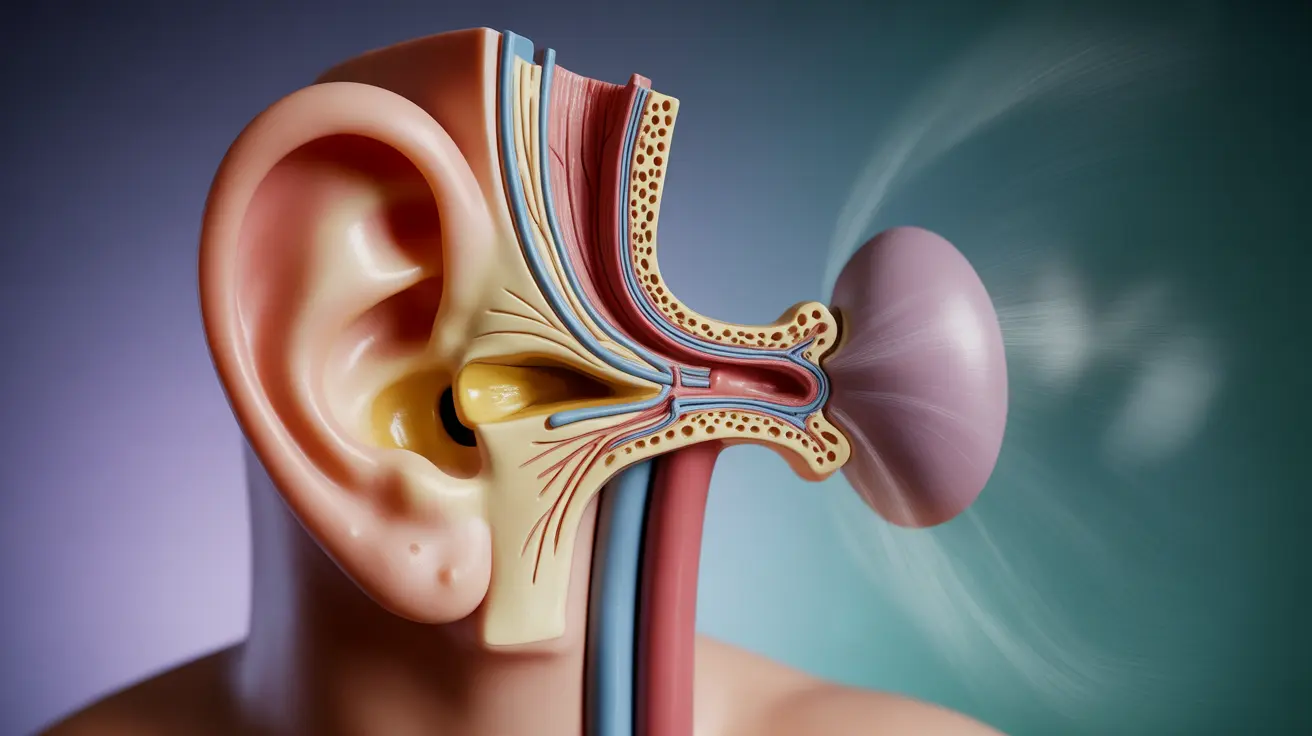
When you have a cold, your Eustachian tubes—the narrow passages connecting your middle ear to your throat—become inflamed and produce excess mucus. These tubes normally help equalize pressure between your ear and the outside environment, but inflammation restricts their ability to function properly.
During flight, rapid altitude changes create significant pressure differences that healthy Eustachian tubes can typically manage through automatic opening and closing. However, when you're congested, these swollen passages struggle to open adequately, trapping air and creating that uncomfortable blocked sensation that can worsen with each altitude change.
The situation becomes more complex during descent when cabin pressure increases rapidly. Your already compromised Eustachian tubes may fail to open sufficiently, creating a vacuum effect in your middle ear that can cause pain, muffled hearing, and persistent blockage that continues after landing.
Immediate Relief Techniques After Flying
Gentle Pressure Equalization Methods
The Valsalva maneuver is often the first technique people try, but it requires careful execution when you have a cold. Gently pinch your nostrils closed, keep your mouth shut, and blow very softly—as if you're gently inflating a balloon. Avoid blowing forcefully, as this can push infected mucus deeper into your ear passages.
An alternative approach is the Toynbee maneuver: pinch your nostrils and swallow simultaneously. This gentler method can be more effective when dealing with congestion, as swallowing helps activate the muscles that naturally open your Eustachian tubes.
Jaw and Throat Movements
Yawning, chewing gum, or moving your jaw in circular motions can help activate the muscles around your Eustachian tubes. These natural movements encourage tube opening without the pressure risks associated with forced maneuvers. Try exaggerated yawning or gentle jaw exercises every few minutes until you feel relief.
Swallowing frequently, especially while tilting your head to different angles, can also promote natural drainage and pressure equalization. Sip water slowly while moving your head gently from side to side to encourage fluid movement in your ears.
Safe Use of Medications and Remedies
Nasal Decongestants
Over-the-counter nasal decongestant sprays can provide temporary relief by reducing swelling in your nasal passages and Eustachian tubes. Use these products sparingly and exactly as directed on the packaging, typically no more than three consecutive days to avoid rebound congestion.
Oral decongestants containing pseudoephedrine or phenylephrine can also help reduce overall congestion that contributes to ear blockage. However, consult with a healthcare provider before using these medications if you have high blood pressure, heart conditions, or are taking other medications.
Ear Drops and Topical Treatments
Mineral oil or glycerin ear drops can help soften any wax buildup that might be contributing to blockage, but avoid using these if you suspect an ear infection or have a perforated eardrum. Warm the drops to body temperature before application to avoid dizziness.
Saline nasal rinses using a neti pot or squeeze bottle can help clear nasal congestion that contributes to Eustachian tube dysfunction. Use only sterile, distilled, or properly boiled water with pharmaceutical-grade salt to avoid introducing harmful bacteria.
When to Seek Medical Attention
While most post-flight ear blockage resolves within 24-48 hours, certain symptoms warrant immediate medical evaluation. Severe ear pain, discharge from the ear, fever, or significant hearing loss could indicate a more serious condition like an ear infection or eardrum damage.
If your ears remain completely blocked for more than three days after flying, or if you experience dizziness, ringing in the ears (tinnitus), or balance problems, schedule an appointment with your healthcare provider or an ear, nose, and throat specialist.
Signs that require urgent medical attention include sudden severe pain followed by relief (which might indicate eardrum rupture), bloody discharge, or complete hearing loss in one or both ears. These symptoms could indicate complications that need professional treatment.
Prevention Strategies for Future Flights
The best approach to managing ear problems during air travel with a cold is prevention. Consider postponing non-essential flights when you have significant nasal congestion, as this gives your body time to recover and reduces the risk of complications.
If you must fly while congested, take an oral decongestant about 30 minutes before takeoff and use a nasal decongestant spray just before boarding. Stay well-hydrated throughout the flight, as proper hydration helps keep mucous membranes moist and functional.
During the flight, avoid sleeping during takeoff and landing when pressure changes are most significant. Instead, actively work to keep your Eustachian tubes open through frequent swallowing, chewing, or gentle pressure equalization techniques as needed.
Frequently Asked Questions
What are the best ways to unclog ears after flying when I have a cold?
The most effective methods include gentle pressure equalization techniques like the Valsalva maneuver (blowing softly with pinched nostrils), frequent swallowing, jaw movements, and yawning. Over-the-counter decongestants can also help reduce the swelling that contributes to blockage. Always perform these techniques gently to avoid pushing infected mucus deeper into your ears.
How does a cold make ear blockage worse during air travel?
A cold causes inflammation and swelling in your Eustachian tubes, which are responsible for equalizing pressure in your ears. When these passages are congested with mucus and swollen, they cannot open properly during the rapid pressure changes that occur during flight, leading to trapped air and persistent blockage that can last well after landing.
Can I use nasal decongestants or ear drops safely to relieve clogged ears after flying with a cold?
Yes, over-the-counter nasal decongestants can be used safely for short-term relief, but limit nasal sprays to three days maximum to avoid rebound congestion. Oral decongestants are also helpful but consult a healthcare provider if you have heart conditions or high blood pressure. For ear drops, use only mineral oil or glycerin-based products, and avoid them if you suspect an ear infection or eardrum damage.
When should I see a doctor if my ears stay blocked or painful after a flight with a cold?
Seek medical attention if your ears remain completely blocked for more than three days, if you experience severe pain, discharge, fever, significant hearing loss, or balance problems. Urgent care is needed for sudden severe pain followed by relief, bloody discharge, or complete hearing loss, as these may indicate serious complications like eardrum rupture.
How can I prevent ear clogging during future flights if I have a cold or congestion?
Prevention strategies include postponing non-essential flights when significantly congested, taking oral decongestants 30 minutes before takeoff, using nasal decongestant spray before boarding, staying well-hydrated, and avoiding sleep during takeoff and landing. Instead, actively work to keep Eustachian tubes open through swallowing, chewing, or gentle pressure equalization during pressure changes.