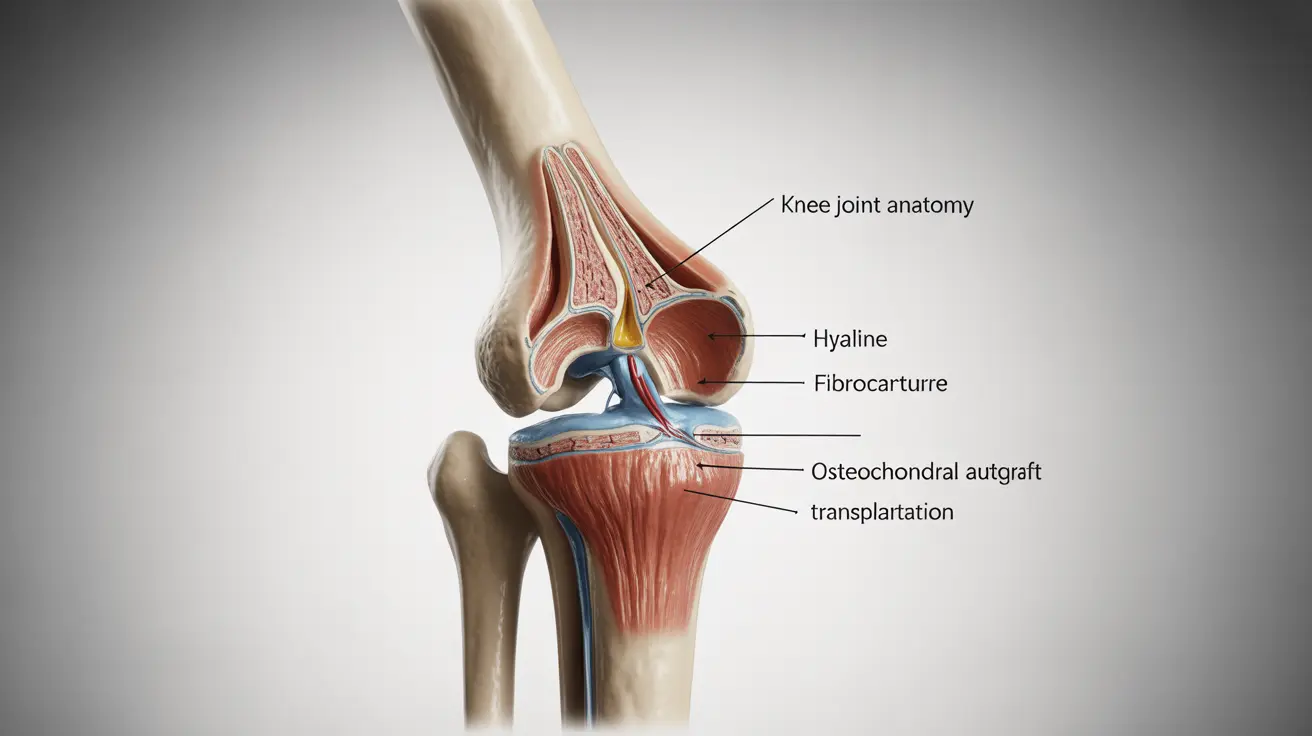
An ankle sprain is one of the most common musculoskeletal injuries, affecting both athletes and everyday individuals. When ligaments in the ankle stretch or tear beyond their normal range, it results in pain, swelling, and temporary mobility challenges. Understanding the symptoms, treatment options, and recovery process is crucial for proper healing and preventing long-term complications.
Whether you've recently experienced an ankle sprain or want to be prepared for potential future injuries, this comprehensive guide will help you identify symptoms, understand treatment approaches, and learn effective prevention strategies.
Understanding Ankle Sprain Severity Levels
Ankle sprains are classified into three grades based on their severity:
Grade 1 Sprains
These mild sprains involve slight stretching and microscopic tearing of the ligaments. Symptoms typically include:
- Minimal swelling
- Slight tenderness
- Minor difficulty with weight-bearing
- Minimal joint instability
Grade 2 Sprains
Moderate sprains represent partial tearing of the ligament fibers. Common indicators include:
- Moderate swelling and bruising
- Significant pain with walking
- Reduced range of motion
- Notable joint instability
Grade 3 Sprains
These severe sprains involve complete ligament tears. Characteristics include:
- Severe swelling and bruising
- Intense pain
- Inability to bear weight
- Significant joint instability
- Possible audible "pop" at time of injury
Immediate Treatment Steps
The RICE protocol remains the gold standard for initial ankle sprain treatment:
- Rest: Avoid putting weight on the injured ankle
- Ice: Apply cold therapy for 15-20 minutes every 2-3 hours
- Compression: Use an elastic bandage to reduce swelling
- Elevation: Keep the ankle above heart level when possible
Recovery Timeline and Rehabilitation
Recovery duration varies significantly based on sprain severity and adherence to treatment protocols:
Grade 1 Recovery
Mild sprains typically heal within 2-4 weeks with proper care and gradual return to activity.
Grade 2 Recovery
Moderate sprains usually require 4-6 weeks for complete healing and return to normal activities.
Grade 3 Recovery
Severe sprains may take 8-12 weeks or longer to heal fully and might require physical therapy or surgical intervention.
Prevention Strategies
Preventing ankle sprains involves several key practices:
- Proper footwear selection
- Regular ankle strengthening exercises
- Balance and proprioception training
- Proper warm-up before physical activity
- Using ankle supports during high-risk activities
Frequently Asked Questions
What are the common symptoms of an ankle sprain and how can I identify its severity?
Common symptoms include pain, swelling, bruising, and difficulty bearing weight. Severity can be identified by the extent of these symptoms: mild sprains allow some weight-bearing with minimal swelling, moderate sprains show significant swelling and difficulty walking, and severe sprains make walking impossible with extensive swelling and bruising.
How long does it typically take for an ankle sprain to heal based on its grade?
Grade 1 sprains typically heal in 2-4 weeks, Grade 2 sprains in 4-6 weeks, and Grade 3 sprains may take 8-12 weeks or longer. Complete healing requires following proper treatment protocols and gradually returning to normal activities.
What are the recommended treatments and home care steps for a sprained ankle?
Initial treatment follows the RICE protocol (Rest, Ice, Compression, Elevation). Additional treatments include over-the-counter pain medications, gentle range-of-motion exercises once pain allows, and gradual strengthening exercises under healthcare provider guidance.
When should I see a doctor or get imaging tests for an ankle sprain?
Seek medical attention if you cannot bear any weight, hear a popping sound during injury, experience severe pain or swelling, or if symptoms don't improve after a few days of home treatment. Imaging tests may be necessary to rule out fractures or determine the extent of ligament damage.
How can I prevent ankle sprains and reduce the risk of re-injury after healing?
Prevent re-injury by strengthening ankle muscles, practicing balance exercises, wearing appropriate footwear, using ankle supports during high-risk activities, and maintaining proper form during physical activities. Complete rehabilitation before returning to full activity is essential for preventing future sprains.