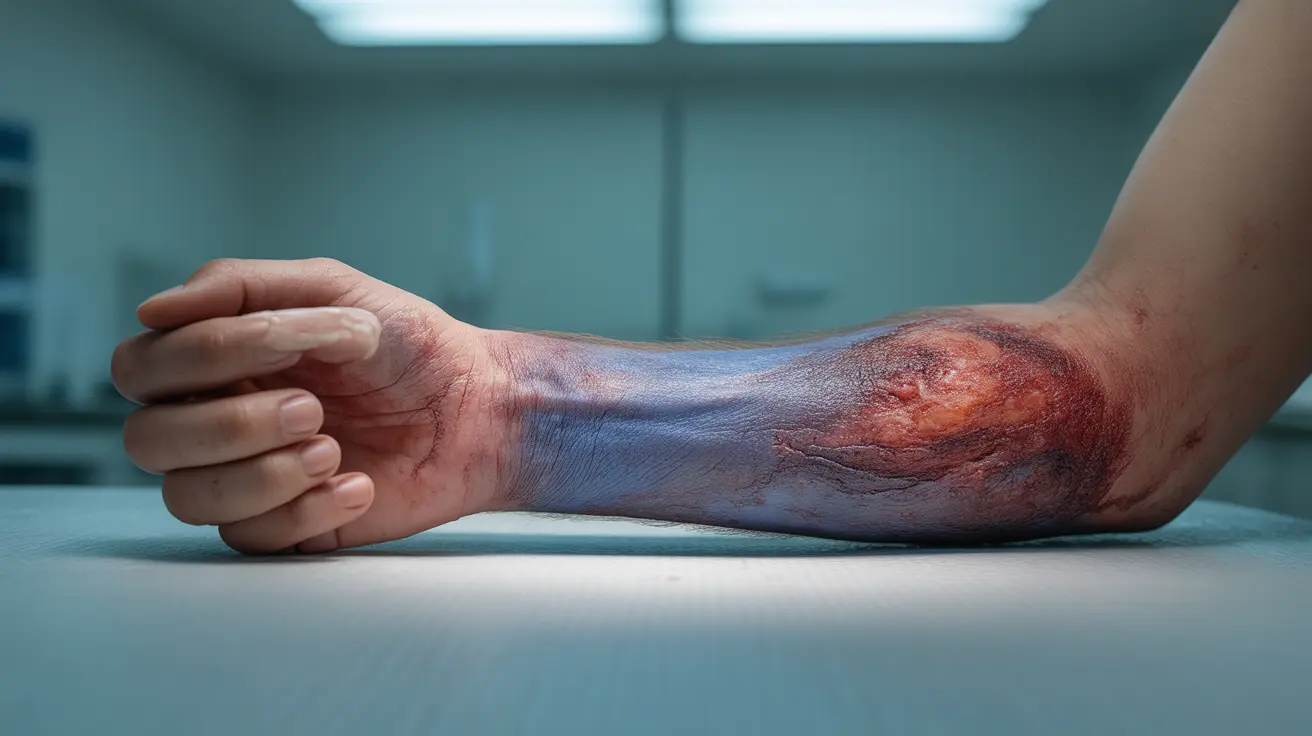
Gangrene is a serious medical condition that occurs when body tissue dies due to a lack of blood supply or severe bacterial infection. This potentially life-threatening condition requires immediate medical attention and can affect any part of the body, though it most commonly occurs in the extremities, such as fingers, toes, and limbs.
Early recognition and prompt treatment are crucial for preventing the spread of gangrene and improving outcomes. Understanding the signs, available treatments, and prevention strategies can help individuals at risk take appropriate action before the condition becomes severe.
Types of Gangrene
There are several distinct types of gangrene, each with unique characteristics and causes:
- Dry gangrene
- Wet gangrene
- Gas gangrene
- Internal gangrene
- Fournier's gangrene
Each type requires specific treatment approaches and carries different levels of risk. Dry gangrene typically develops slowly and is often associated with chronic health conditions, while wet gangrene can progress rapidly and requires immediate medical intervention.
Risk Factors and Causes
Several factors can increase the risk of developing gangrene:
- Diabetes
- Peripheral arterial disease
- Severe injuries or burns
- Weakened immune system
- Deep vein thrombosis
- Smoking
- Obesity
Understanding these risk factors is crucial for prevention and early intervention, particularly for individuals with underlying health conditions.
Signs and Symptoms
Early detection of gangrene symptoms is vital for successful treatment. Key indicators include:
- Skin discoloration (black, blue, or red)
- Severe pain followed by loss of sensation
- Skin that feels cold and tender
- Swelling and redness
- Foul-smelling discharge (in wet gangrene)
- Fever and general weakness
- Skin that becomes dry and shriveled
Diagnosis and Medical Evaluation
Healthcare providers use various diagnostic tools to confirm gangrene and assess its severity:
- Physical examination
- Blood tests
- Imaging studies (X-rays, CT scans, MRI)
- Tissue cultures
- Arteriograms
Treatment Approaches
Treatment for gangrene typically involves a combination of approaches:
Surgical Interventions
- Debridement of dead tissue
- Amputation (when necessary)
- Restoration of blood flow
- Wound care and skin grafting
Medical Treatments
- Intravenous antibiotics
- Pain management
- Hyperbaric oxygen therapy
- Wound care and dressing changes
Prevention Strategies
Taking proactive steps to prevent gangrene is essential, especially for those at higher risk:
- Regular foot inspections (especially for diabetics)
- Proper wound care and hygiene
- Smoking cessation
- Blood sugar control for diabetics
- Regular exercise to improve circulation
- Appropriate footwear
- Prompt treatment of injuries and infections
Frequently Asked Questions
- What are the common signs and symptoms of gangrene that I should watch for?
Common signs include skin discoloration (black, blue, or red), severe pain followed by numbness, cold and tender skin, swelling, and a foul odor in cases of wet gangrene. If you notice any of these symptoms, seek immediate medical attention.
- How is gangrene diagnosed and what tests do doctors use to detect it?
Doctors diagnose gangrene through physical examination, blood tests, imaging studies (X-rays, CT scans, MRI), tissue cultures, and arteriograms. These tests help determine the extent of tissue damage and guide treatment decisions.
- What treatment options are available for gangrene, including surgery and antibiotics?
Treatment typically involves surgical removal of dead tissue (debridement), antibiotics for infection, and procedures to restore blood flow. In severe cases, amputation may be necessary. Wound care and pain management are also important components of treatment.
- How does hyperbaric oxygen therapy work in treating gangrene and when is it used?
Hyperbaric oxygen therapy involves breathing pure oxygen in a pressurized chamber. This treatment increases oxygen levels in the blood, helping to kill bacteria and promote healing. It's often used alongside other treatments, particularly for gas gangrene.
- What steps can I take to prevent gangrene, especially if I have diabetes or poor circulation?
Prevention strategies include regular foot inspections, proper wound care, maintaining good blood sugar control if diabetic, exercising regularly to improve circulation, quitting smoking, and wearing appropriate footwear. Seek prompt medical attention for any wounds that aren't healing properly.