The underwear choices men make daily can have more significant health implications than many realize. From fertility concerns to skin irritation, the debate over tight versus loose-fitting underwear has gained considerable attention in medical research and men's health discussions.
Understanding the potential effects of wearing tight underwear on male health is crucial for making informed decisions about daily undergarments. This comprehensive guide examines the scientific evidence behind underwear choices and their impact on various aspects of men's health and well-being.
The Science Behind Underwear and Male Fertility
Research has consistently shown that testicular temperature plays a critical role in sperm production and quality. The testicles naturally hang outside the body to maintain a temperature approximately 2-4 degrees Fahrenheit cooler than core body temperature, which is optimal for spermatogenesis.
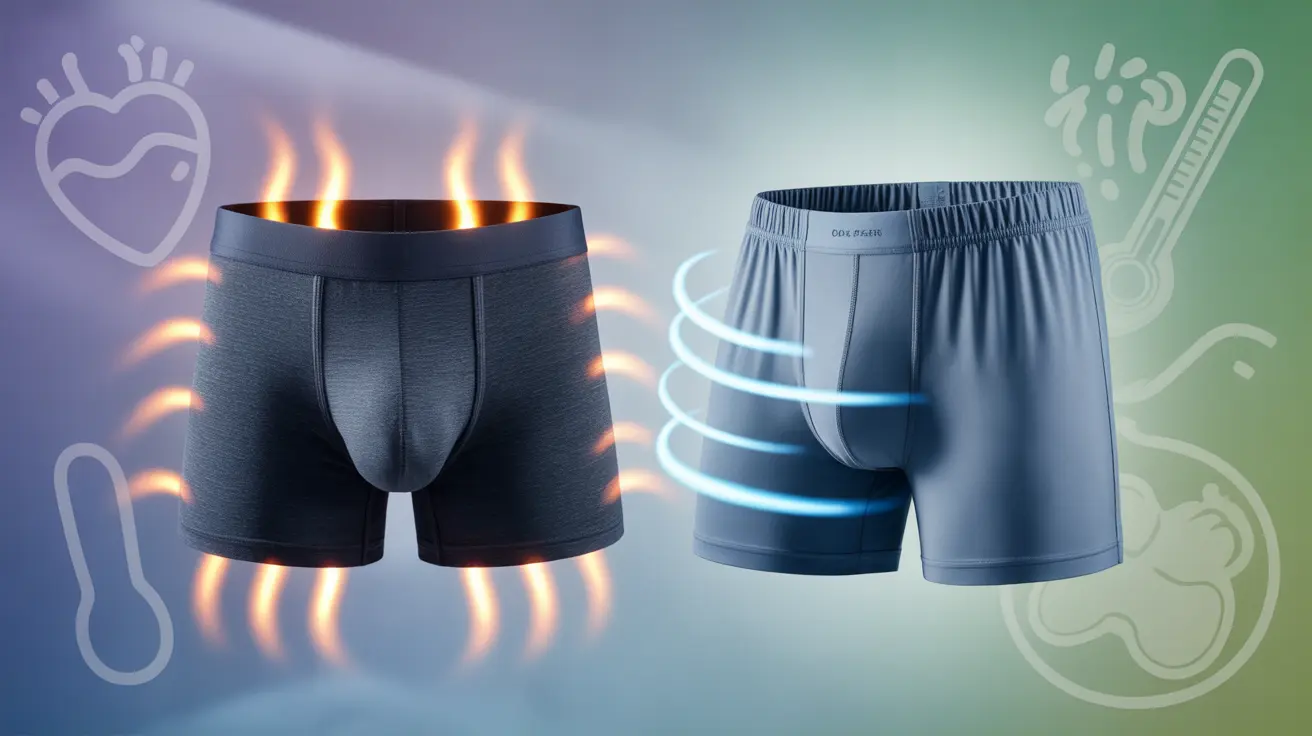
Multiple studies have demonstrated that wearing tight underwear can elevate scrotal temperature, potentially affecting sperm concentration and motility. A Harvard study published in Human Reproduction found that men who wore boxers had 25% higher sperm concentration and 17% higher total sperm count compared to those who wore briefs or tight-fitting underwear.
The mechanism behind this effect involves restricted air circulation and increased heat retention around the genital area. When testicles are held close to the body by tight garments, their ability to regulate temperature naturally becomes compromised, potentially leading to decreased sperm production over time.
Health Risks Associated with Tight Underwear
Skin Irritation and Infections
Tight-fitting underwear can create an environment conducive to various skin problems and infections. The combination of moisture retention, friction, and reduced air circulation can lead to several uncomfortable conditions.
Fungal infections, particularly jock itch caused by dermatophytes, thrive in warm, moist environments. Men who wear tight underwear regularly may experience increased risk of these infections, especially in hot climates or during physical activity.
Bacterial growth can also be promoted by tight underwear, potentially leading to folliculitis or other bacterial skin infections in the groin area. The constant friction from tight garments can cause chafing, micro-tears in the skin, and subsequent irritation.
Circulation and Nerve Issues
Excessively tight underwear can restrict blood flow to the genital area, potentially causing numbness, tingling, or discomfort. In severe cases, prolonged restriction may contribute to nerve compression, though this is relatively uncommon with typical underwear tightness.
Some men may experience reduced sensation or temporary numbness when wearing particularly restrictive undergarments for extended periods, especially during physical activity or prolonged sitting.
Optimal Underwear Choices for Men's Health
Fabric Considerations
The material of underwear plays a crucial role in maintaining proper temperature and moisture control. Natural fibers like cotton offer excellent breathability and moisture absorption, making them ideal for daily wear.
Moisture-wicking synthetic materials can be beneficial for athletic activities, as they draw sweat away from the skin and dry quickly. However, for general daily wear, cotton remains the gold standard for comfort and health benefits.
Bamboo fiber underwear has gained popularity as an eco-friendly option that offers natural antimicrobial properties and excellent breathability, making it another suitable choice for men concerned about genital health.
Fit and Style Recommendations
Boxer shorts provide the loosest fit and maximum air circulation, making them the preferred choice for men prioritizing fertility and temperature regulation. The loose fit allows for natural temperature control while minimizing restriction.
Boxer briefs offer a compromise between support and breathability, providing more structure than traditional boxers while maintaining reasonable air circulation. For men who prefer more support without excessive tightness, well-fitted boxer briefs made from breathable materials can be an excellent middle ground.
Traditional briefs, while offering maximum support, should be chosen carefully to ensure they're not excessively tight. Men who prefer briefs should select styles with adequate room and breathable fabrics.
Timeline for Health Improvements
Men wondering about recovery time after switching from tight to loose underwear should understand that sperm production follows a specific cycle. The complete process of spermatogenesis takes approximately 74 days from start to finish.
Initial improvements in comfort and reduced irritation can be noticed within days of switching to looser, more breathable underwear. However, measurable improvements in sperm count and quality typically require 2-3 months of consistent changes.
Some men may notice improvements in skin condition and reduced infections within 2-4 weeks of switching to appropriate underwear, especially when combined with proper hygiene practices.
Additional Lifestyle Factors for Male Health
Temperature Management
Beyond underwear choices, several lifestyle modifications can help maintain optimal testicular temperature. Avoiding hot baths, saunas, and hot tubs for extended periods can prevent overheating of the genital area.
Men who spend long hours sitting should take regular breaks to stand and move around, allowing for better air circulation and temperature regulation. This is particularly important for office workers and drivers.
During exercise, wearing appropriate athletic wear that wicks moisture and allows air circulation can prevent overheating while maintaining necessary support during physical activity.
Diet and Overall Health
Maintaining a healthy weight contributes to better temperature regulation and overall reproductive health. Excess weight can increase heat retention in the groin area and negatively impact hormone levels.
A diet rich in antioxidants, including fruits, vegetables, and nuts, can support sperm health and overall fertility. Nutrients like vitamin C, vitamin E, and zinc play important roles in sperm production and quality.
Regular exercise, while beneficial for overall health, should be balanced with appropriate recovery time and clothing choices to avoid overheating during intense training sessions.
Frequently Asked Questions
Does wearing tight underwear really affect male fertility and sperm health?
Yes, scientific research indicates that wearing tight underwear can negatively impact male fertility by increasing scrotal temperature above optimal levels. Studies show men wearing loose-fitting underwear like boxers have higher sperm concentrations and better sperm quality compared to those wearing tight briefs or restrictive underwear.
What are the best types of underwear for men to prevent overheating and improve sperm count?
Boxer shorts made from breathable cotton are generally considered the best choice for preventing overheating and supporting optimal sperm production. Loose-fitting boxer briefs made from natural fibers can also be suitable. The key is choosing underwear that allows air circulation and doesn't hold the testicles close to the body.
Can tight underwear cause skin irritation, infections, or other health problems in men?
Yes, tight underwear can contribute to various health issues including fungal infections like jock itch, bacterial skin infections, folliculitis, and general skin irritation from chafing. The combination of moisture retention, heat, and friction created by tight garments creates an environment where these problems can develop.
How long does it take for sperm count to improve after switching from tight to loose underwear?
Since the complete sperm production cycle takes approximately 74 days, measurable improvements in sperm count and quality typically require 2-3 months of consistently wearing looser, more breathable underwear. However, comfort improvements and reduced skin irritation can be noticed within days to weeks.
Are there any other lifestyle changes men can make to keep their testicles cooler and healthier?
Yes, several lifestyle modifications can help maintain optimal testicular temperature: avoiding prolonged exposure to hot baths and saunas, taking regular breaks from sitting positions, maintaining a healthy weight, wearing breathable clothing during exercise, and following a diet rich in antioxidants and nutrients that support reproductive health.