Stretch marks are a common skin concern that affects millions of people, particularly during periods of rapid growth or weight changes. While many focus on the appearance of these linear marks, one aspect that often catches people off guard is the uncomfortable itching sensation they can cause. If you've found yourself wondering "why are my stretch marks itchy," you're not alone in this frustrating experience.
The itching associated with stretch marks can range from mild irritation to intense discomfort that disrupts daily activities and sleep. Understanding why this happens and knowing how to address it effectively can make a significant difference in your comfort level and overall skin health during the healing process.
Understanding What Causes Stretch Marks to Itch
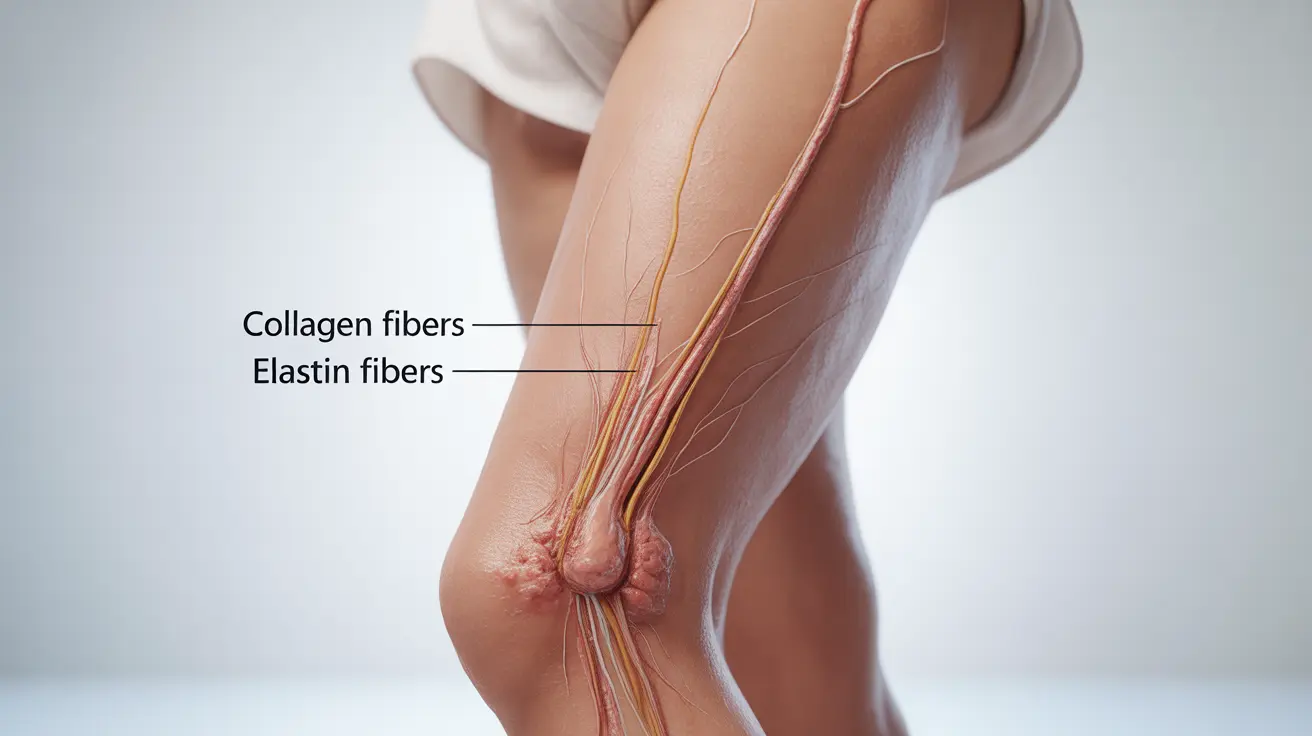
Stretch marks, medically known as striae, develop when the skin stretches rapidly beyond its elastic capacity. This stretching causes the collagen and elastin fibers in the dermis to break, creating the characteristic linear marks we see on the surface. The itching sensation occurs as a direct result of this skin damage and the body's natural healing response.
When stretch marks are forming, the skin undergoes significant structural changes. The rapid stretching causes microscopic tears in the dermal layer, which triggers an inflammatory response. This inflammation releases histamine and other chemical mediators that stimulate nerve endings, creating the itchy sensation you experience.
New stretch marks, often called striae rubrae, are typically red or purple in color and tend to be more itchy than older, mature marks. This increased itchiness occurs because the healing process is most active during the early stages, with increased blood flow and cellular repair mechanisms working overtime in the affected area.
The Role of Skin Dryness and Tension
Dry skin significantly amplifies the itching sensation associated with stretch marks. When skin lacks adequate moisture, it becomes less flexible and more prone to irritation. The stretching process itself can disrupt the skin's natural moisture barrier, making it even more susceptible to dryness and subsequent itching.
The physical tension on the skin during stretch mark formation also contributes to discomfort. As the skin continues to stretch, nerve endings become more sensitive, and even minor movements or contact with clothing can trigger itching sensations. This is particularly noticeable in areas where stretch marks commonly occur, such as the abdomen, thighs, breasts, and upper arms.
Pregnancy and Hormonal Factors
Pregnancy represents one of the most common times when people experience itchy stretch marks. During pregnancy, hormonal changes affect skin elasticity and moisture retention, making the skin more susceptible to stretching and subsequent itching. The hormone relaxin, which helps prepare the body for childbirth, also affects skin structure and can contribute to increased sensitivity.
Additionally, the rapid expansion of the abdomen during pregnancy creates continuous tension on the skin, often resulting in persistent itching that can be particularly bothersome during the later trimesters. The combination of hormonal changes, physical stretching, and altered blood circulation all contribute to the itchy sensation many pregnant individuals experience.
Effective Home Treatments for Itchy Stretch Marks
Managing itchy stretch marks often begins with proper moisturization. Regular application of high-quality moisturizers can help restore the skin's barrier function and reduce irritation. Look for products containing ingredients like hyaluronic acid, glycerin, ceramides, or natural oils such as coconut oil or shea butter, which help lock in moisture and support skin healing.
Gentle massage while applying moisturizer can also provide relief by improving circulation and helping to desensitize nerve endings. Use circular motions with light pressure, avoiding any aggressive rubbing that might further irritate the sensitive skin.
Cool compresses can provide immediate, temporary relief from intense itching. Apply a clean, damp cloth to the affected area for 10-15 minutes to help reduce inflammation and numb the itchy sensation. This technique is particularly helpful during acute episodes of itching.
Colloidal oatmeal baths or topical treatments containing oatmeal can also soothe irritated skin. Oatmeal contains compounds called avenanthramides that have anti-inflammatory properties and can help calm itchy, irritated skin.
Lifestyle Adjustments That Help
Wearing loose-fitting, breathable clothing made from natural fibers can significantly reduce irritation from stretch marks. Tight clothing that rubs against affected areas can worsen itching and potentially slow the healing process. Cotton and other natural materials allow better air circulation and reduce friction against sensitive skin.
Maintaining proper hydration by drinking adequate water throughout the day supports overall skin health and can help reduce the severity of itching. Well-hydrated skin from the inside out maintains better elasticity and healing capacity.
Avoiding hot water when bathing or showering is also important, as excessive heat can strip natural oils from the skin and worsen dryness and itching. Opt for lukewarm water and limit bathing time to prevent further moisture loss.
When Professional Medical Care Is Needed
While itchy stretch marks are generally a normal part of the healing process, certain signs warrant medical attention. If the itching becomes severe enough to disrupt sleep or daily activities despite home treatment efforts, it's time to consult a healthcare provider.
Signs of infection, such as increased redness, warmth, swelling, or discharge from stretch marks, require immediate medical evaluation. Additionally, if stretch marks develop rapidly over a short period without obvious cause like pregnancy or significant weight changes, this could indicate an underlying hormonal condition that needs professional assessment.
Persistent itching accompanied by other symptoms like unusual fatigue, mood changes, or changes in appetite might suggest hormonal imbalances that could benefit from medical evaluation and treatment.
Prevention Strategies
While not all stretch marks can be prevented, maintaining healthy skin through regular moisturization can help minimize their severity and associated itching. Gradual weight changes, when possible, put less stress on the skin than rapid fluctuations.
Regular gentle exercise can improve circulation and skin elasticity, potentially reducing the likelihood of developing severe stretch marks. Activities like walking, swimming, or prenatal yoga (during pregnancy) can be particularly beneficial.
Frequently Asked Questions
Why do my stretch marks feel itchy, especially when they are new or healing?
New stretch marks feel itchy because they represent active damage and healing in your skin. When stretch marks form, the rapid stretching causes microscopic tears in the dermal layer, triggering inflammation and the release of histamine and other chemicals that stimulate nerve endings. This inflammatory healing response is most intense during the early stages when stretch marks appear red or purple, making them significantly more itchy than older, mature marks that have completed the healing process.
How can I relieve the itchiness caused by stretch marks during pregnancy?
During pregnancy, focus on gentle moisturization with pregnancy-safe products containing ingredients like shea butter, coconut oil, or hyaluronic acid. Apply moisturizer twice daily with gentle circular massage motions. Cool compresses can provide immediate relief, and wearing loose, breathable cotton clothing reduces friction. Colloidal oatmeal baths can also soothe irritated skin. Always consult your healthcare provider before using new topical treatments during pregnancy to ensure they're safe for you and your baby.
What home treatments or moisturizers are effective for reducing itchy stretch marks?
Effective moisturizers contain hydrating ingredients like hyaluronic acid, glycerin, ceramides, shea butter, or coconut oil. Apply these products consistently, ideally twice daily while skin is slightly damp to lock in moisture. Colloidal oatmeal treatments, either in baths or as topical applications, can provide anti-inflammatory benefits. Cool compresses offer immediate temporary relief, and gentle massage while applying moisturizer can improve circulation and reduce sensitivity of nerve endings in the affected area.
Are itchy stretch marks a sign of any underlying health condition?
Generally, itchy stretch marks are a normal part of the healing process and don't indicate serious health problems. However, if stretch marks develop rapidly without obvious causes like pregnancy or weight changes, this could suggest hormonal imbalances or conditions affecting cortisol levels. Additionally, if itching is accompanied by signs of infection (increased redness, warmth, swelling, or discharge) or other concerning symptoms like unexplained fatigue or mood changes, medical evaluation is recommended to rule out underlying conditions.
When should I see a doctor for stretch marks that are persistently itchy or irritated?
Seek medical attention if itching becomes severe enough to disrupt your sleep or daily activities despite consistent home treatment efforts lasting several weeks. Immediate medical care is needed if you notice signs of infection such as increased redness, warmth, swelling, pus, or red streaking from the stretch marks. Additionally, consult a healthcare provider if stretch marks develop rapidly without clear cause, if itching is accompanied by other unexplained symptoms, or if you're concerned about the appearance or progression of your stretch marks.